The DOMINIC LAGAN Gallery @ BrendanWorld™
Curated modern works and exhibitions for scholars and connoisseurs.
About
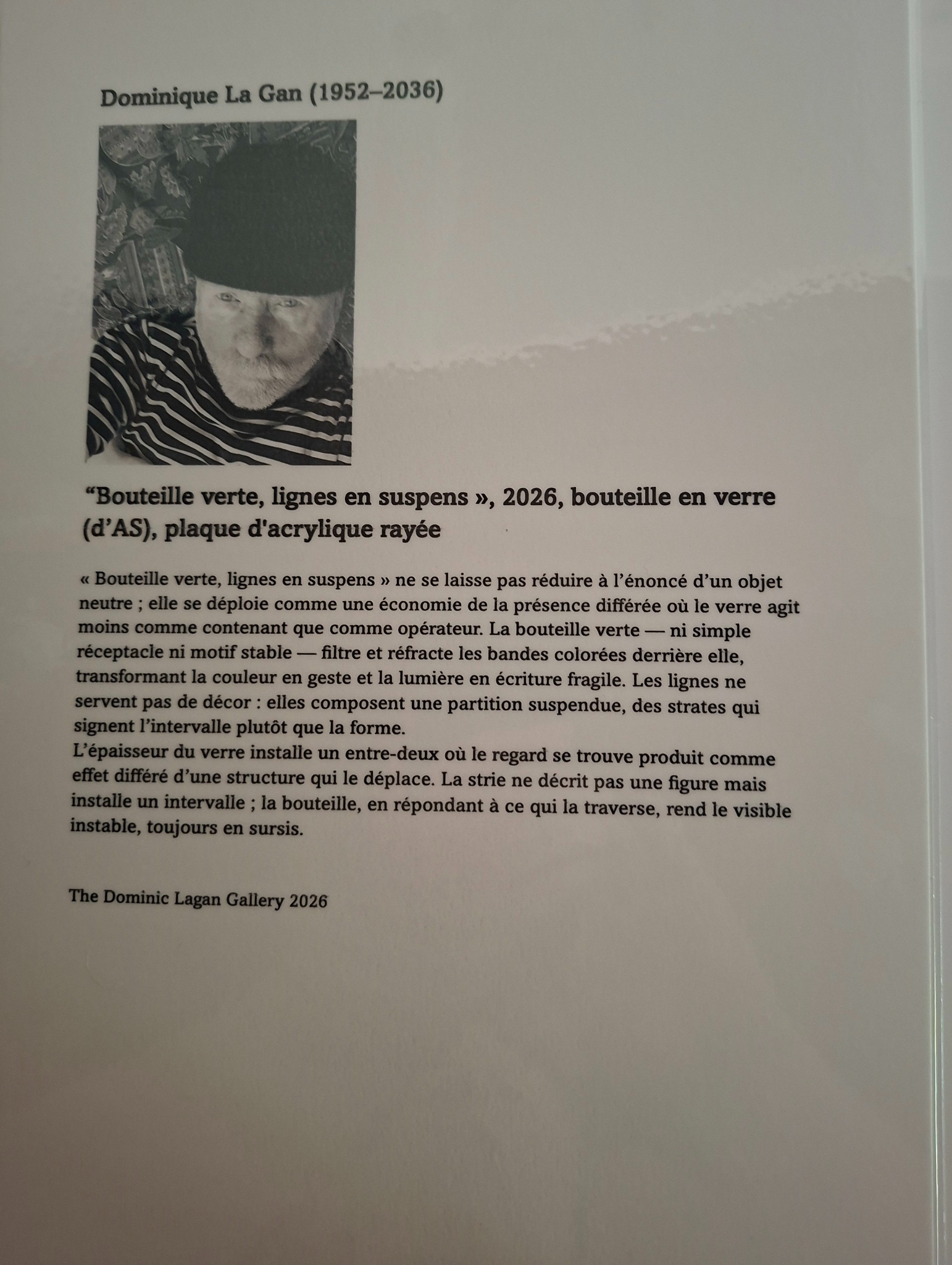
The Gallery was opened on the 17th of June 1986, by the anarcho-primitivist installation artist and Orwellian plongeur, Hippolyte, ci-devant Marquis de Saint-Loup (1915-2000). It was named after the botuliste philosopher and revolutionary tromboniste Dominic Lagan, author of 'Martha and the Medium-Sized Man' (see the 'Books' tab); and formerly The Aleister Crowley Regius Professor of Virtue at the Vatican University.
Lagan was born in 1952 on Callisto, one of the Galilean moons of Jupiter, during a secret CIA mission to parley with the Andromedean embassy. His mother was Araminta Tollemache-Featherstonehaugh-Tollemache-Psmith, the society astronaut. His father was L.A.G.A.N. an IBM 600 series beta-robot, since de-activated (which meant that Lagan was the first person able to buy his own father on eBay).
Lagan was educated privately by tutors, including the footballer Bertie Russell and the philosopher James Greaves.
After winning the Nobel prize for Literature at the relatively early age of 11 (for his brilliantly ironic post-modern essay: ‘What I dun on me holidays’) and teaching Delia Smith how to cook: he turned down the Vice Chancellorship at the newly opened Warwick University and the captaincy of Tottenham Hotspur, in order to train for the Tokyo Olympics. After donating his hoard of 13 Gold Medals and the royalties from his global best selling autobiography "EGO! Sui generis", to the Great Ormond Street Hospital for Children, Lagan retired to a zinc-lined cave in the desert outside Fez, with his lifelong companion, a hermaphrodite Berber.
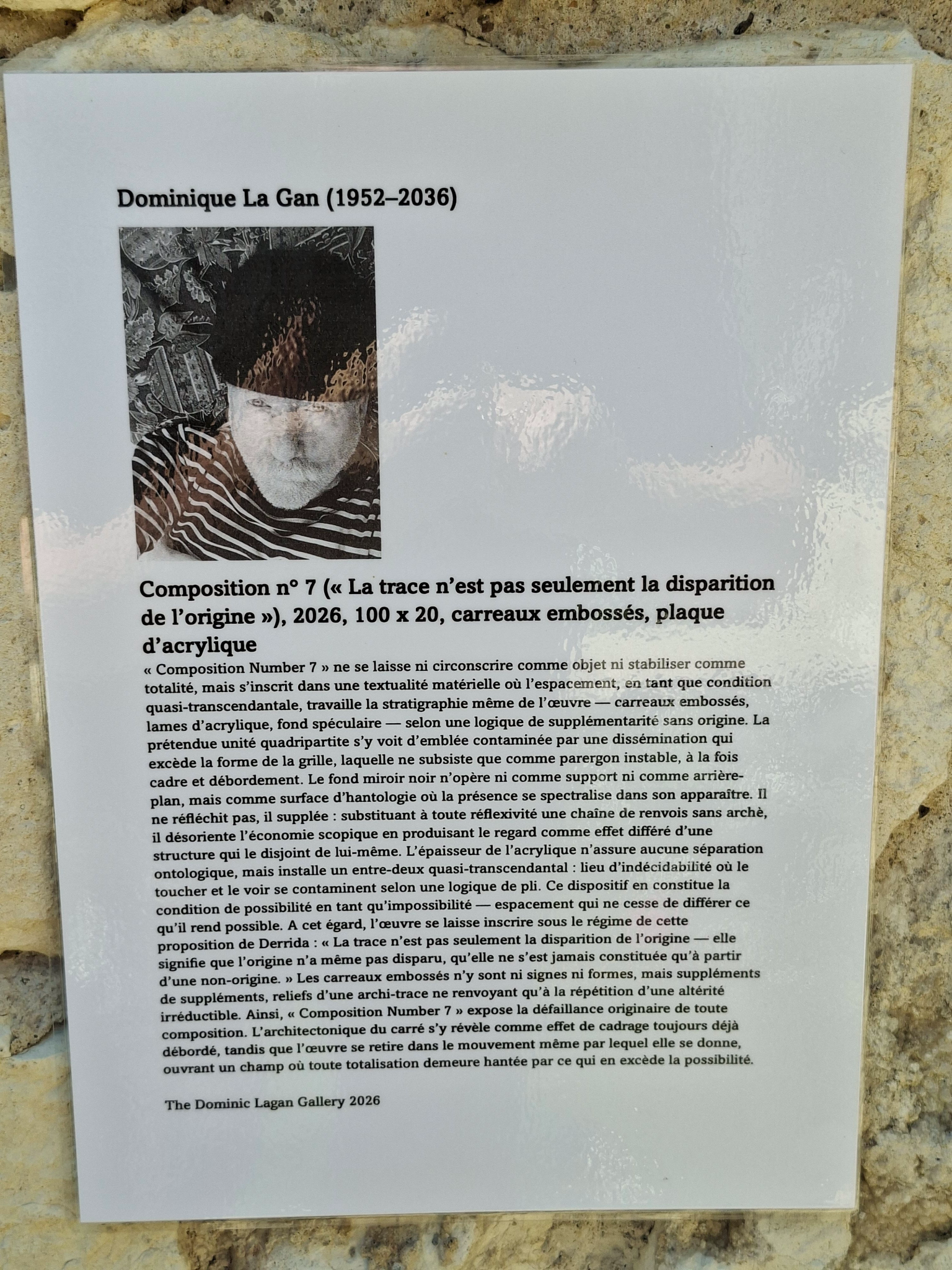
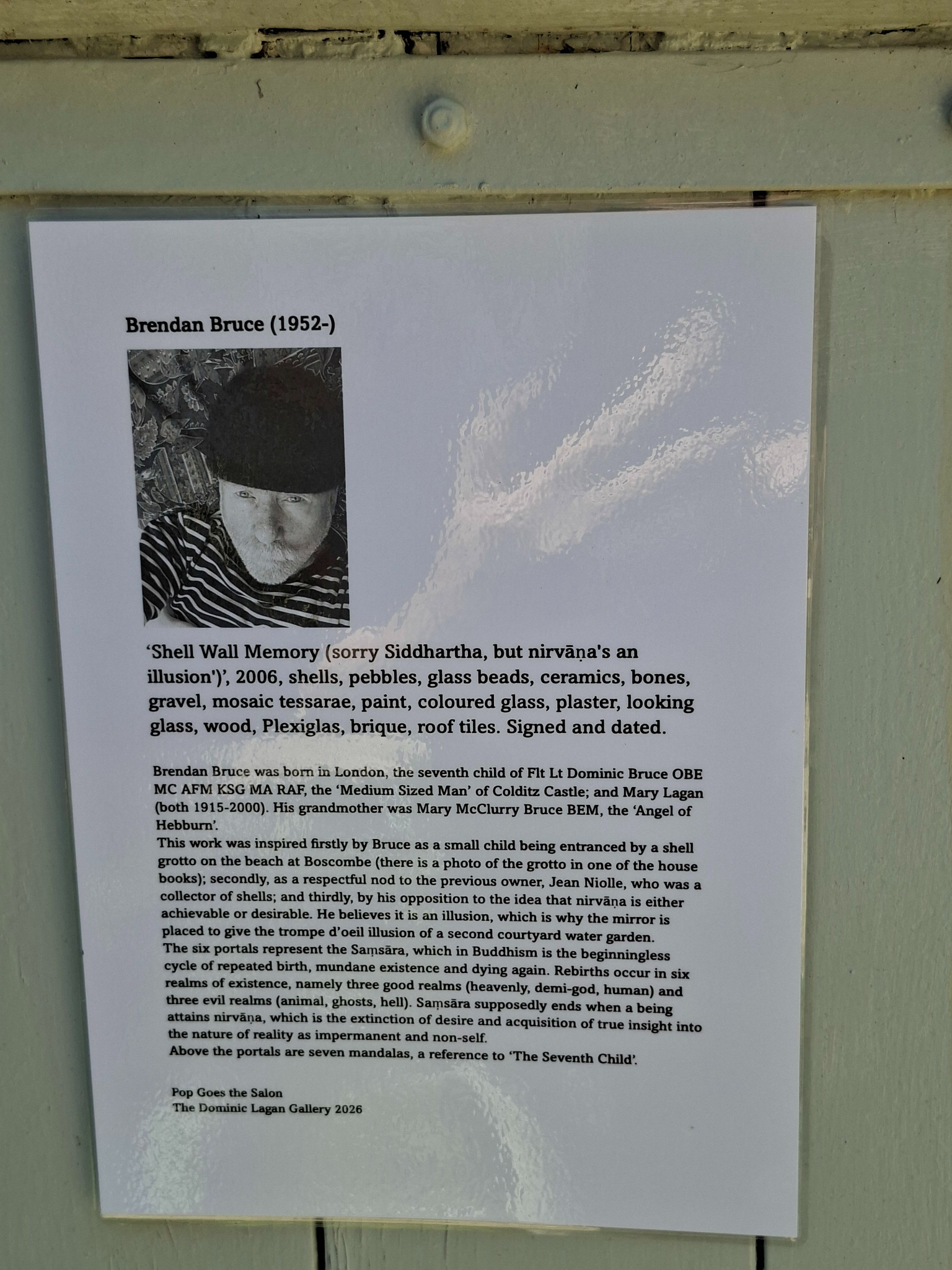
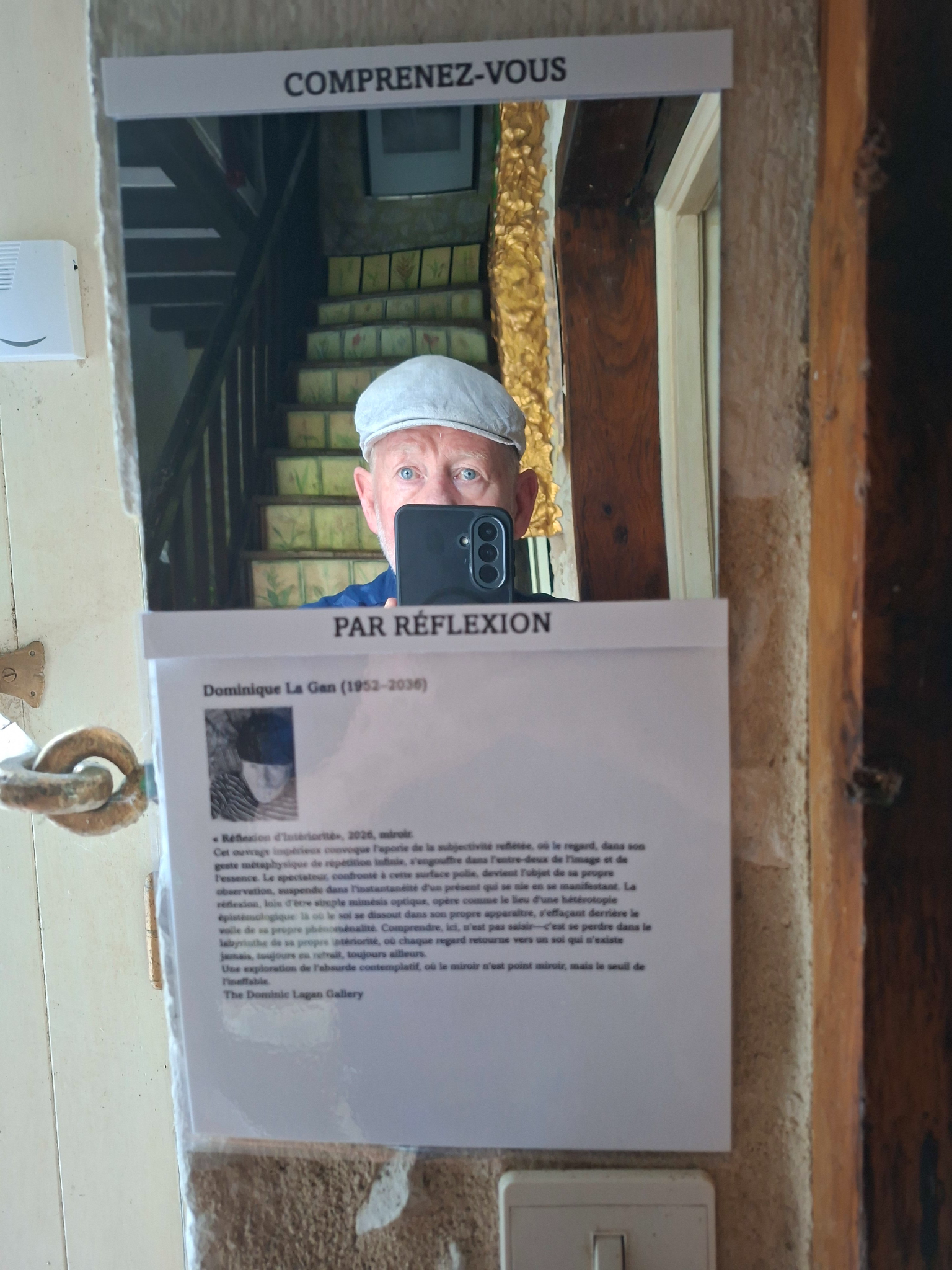
NB This website (and exhibition captions) was created entirely by Artificial Intelligence, using Perplexity's 'Lysergic acid diethylamide' setting. Beware of hallucinations & misinformation.
Lagan was born in 1952 on Callisto, one of the Galilean moons of Jupiter, during a secret CIA mission to parley with the Andromedean embassy. His mother was Araminta Tollemache-Featherstonehaugh-Tollemache-Psmith, the society astronaut. His father was L.A.G.A.N. an IBM 600 series beta-robot, since de-activated (which meant that Lagan was the first person able to buy his own father on eBay).
Lagan was educated privately by tutors, including the footballer Bertie Russell and the philosopher James Greaves.
After winning the Nobel prize for Literature at the relatively early age of 11 (for his brilliantly ironic post-modern essay: ‘What I dun on me holidays’) and teaching Delia Smith how to cook: he turned down the Vice Chancellorship at the newly opened Warwick University and the captaincy of Tottenham Hotspur, in order to train for the Tokyo Olympics. After donating his hoard of 13 Gold Medals and the royalties from his global best selling autobiography "EGO! Sui generis", to the Great Ormond Street Hospital for Children, Lagan retired to a zinc-lined cave in the desert outside Fez, with his lifelong companion, a hermaphrodite Berber.
NB This website (and exhibition captions) was created entirely by Artificial Intelligence, using Perplexity's 'Lysergic acid diethylamide' setting. Beware of hallucinations & misinformation.
BrendanWorld™
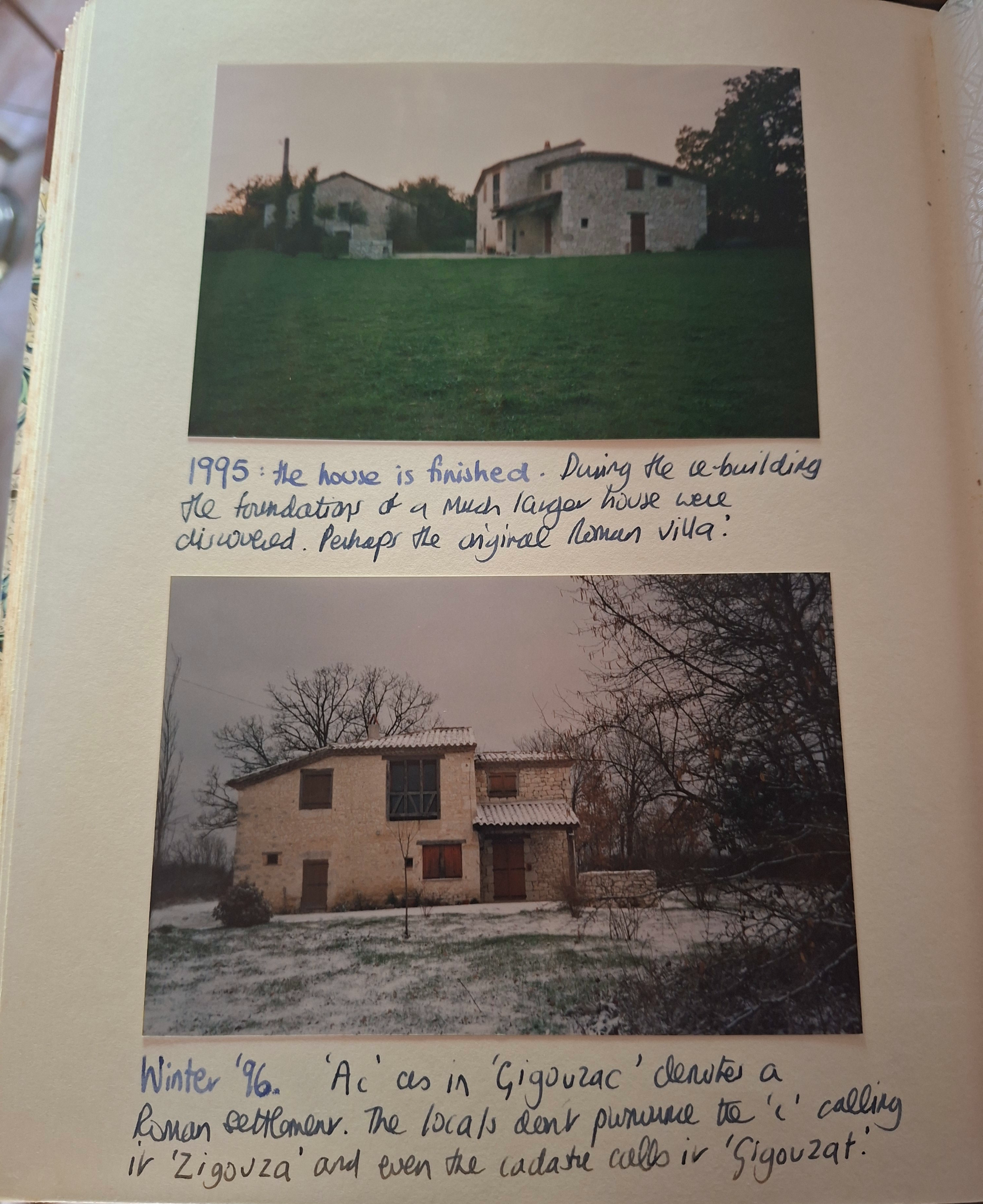
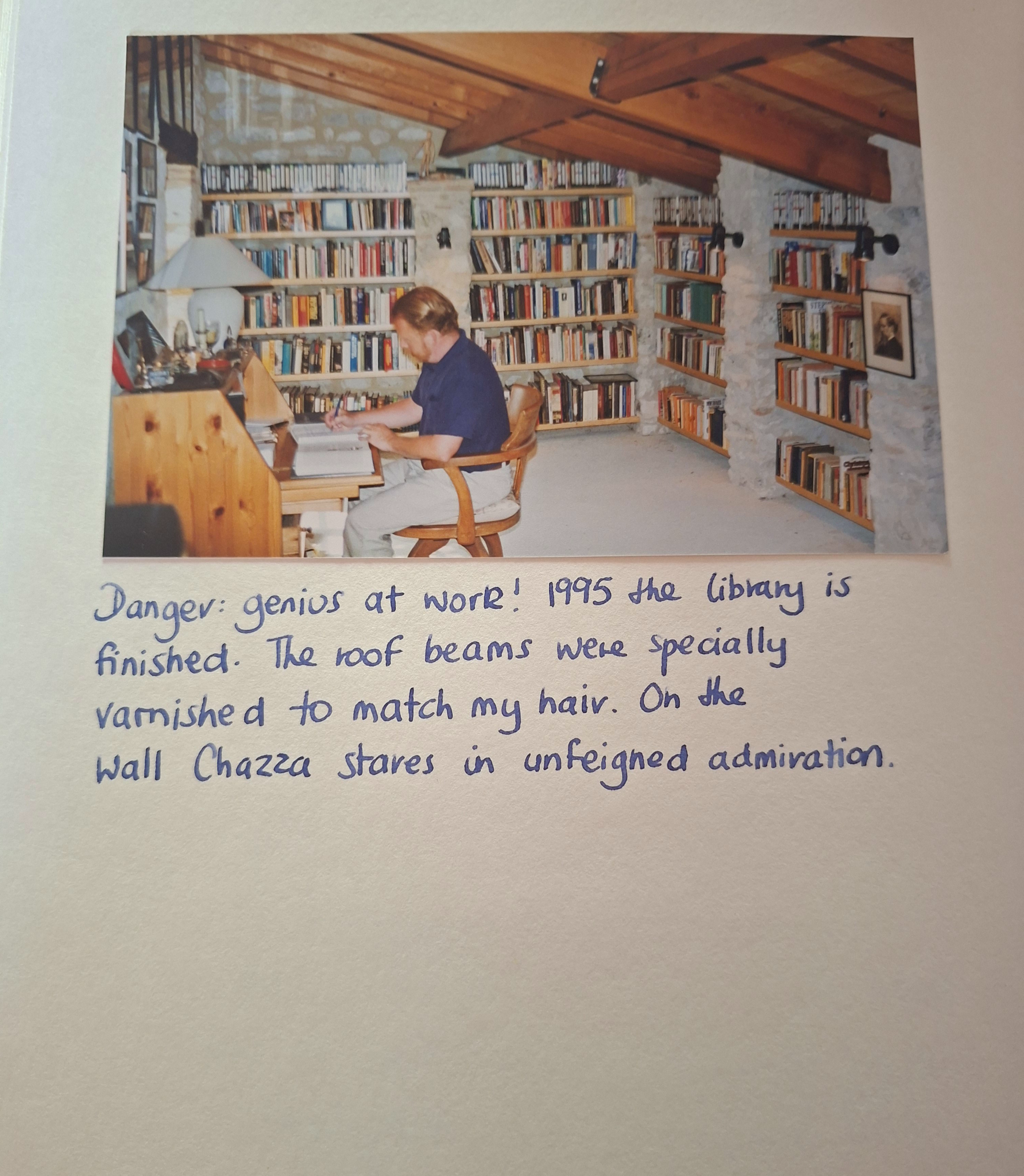
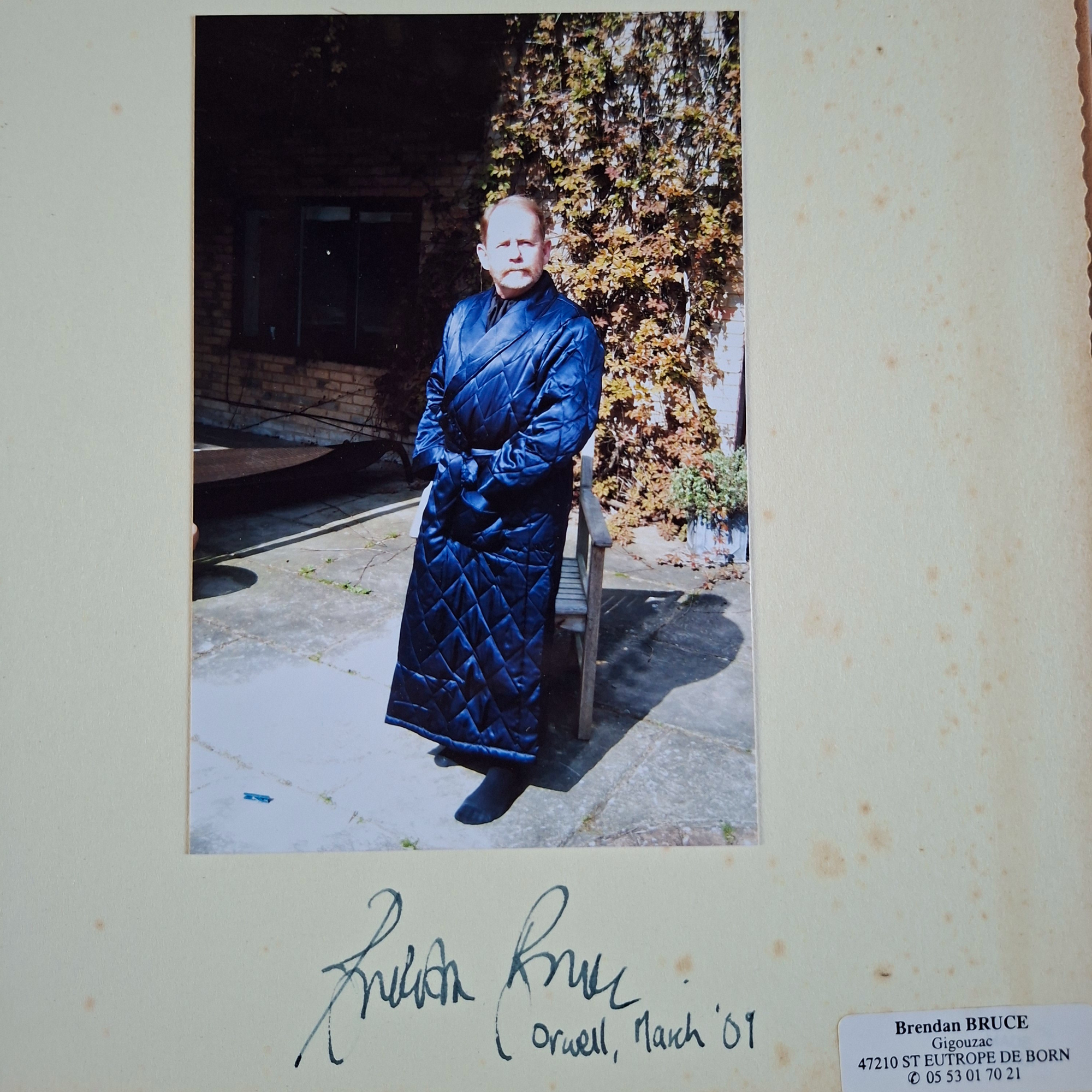
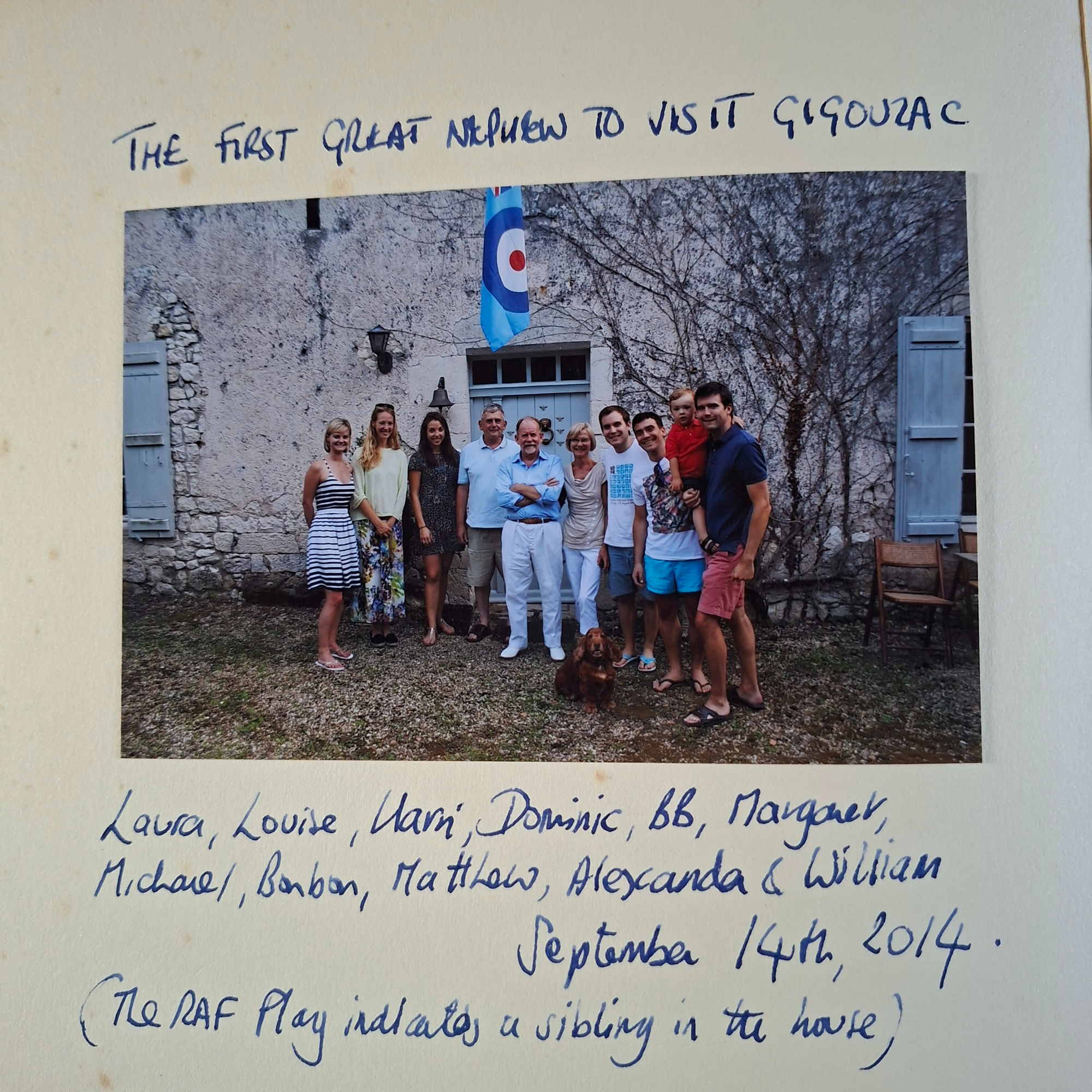
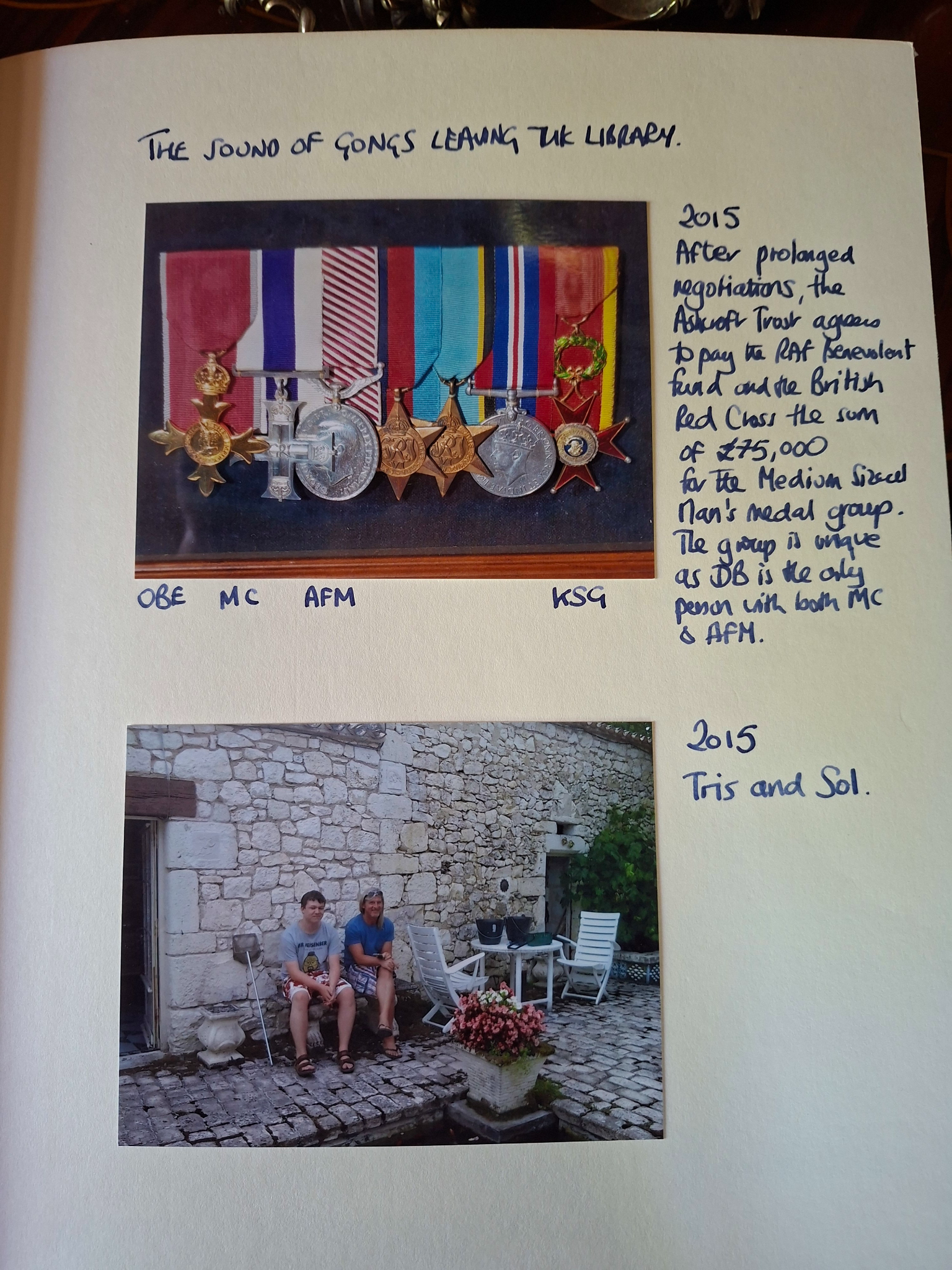
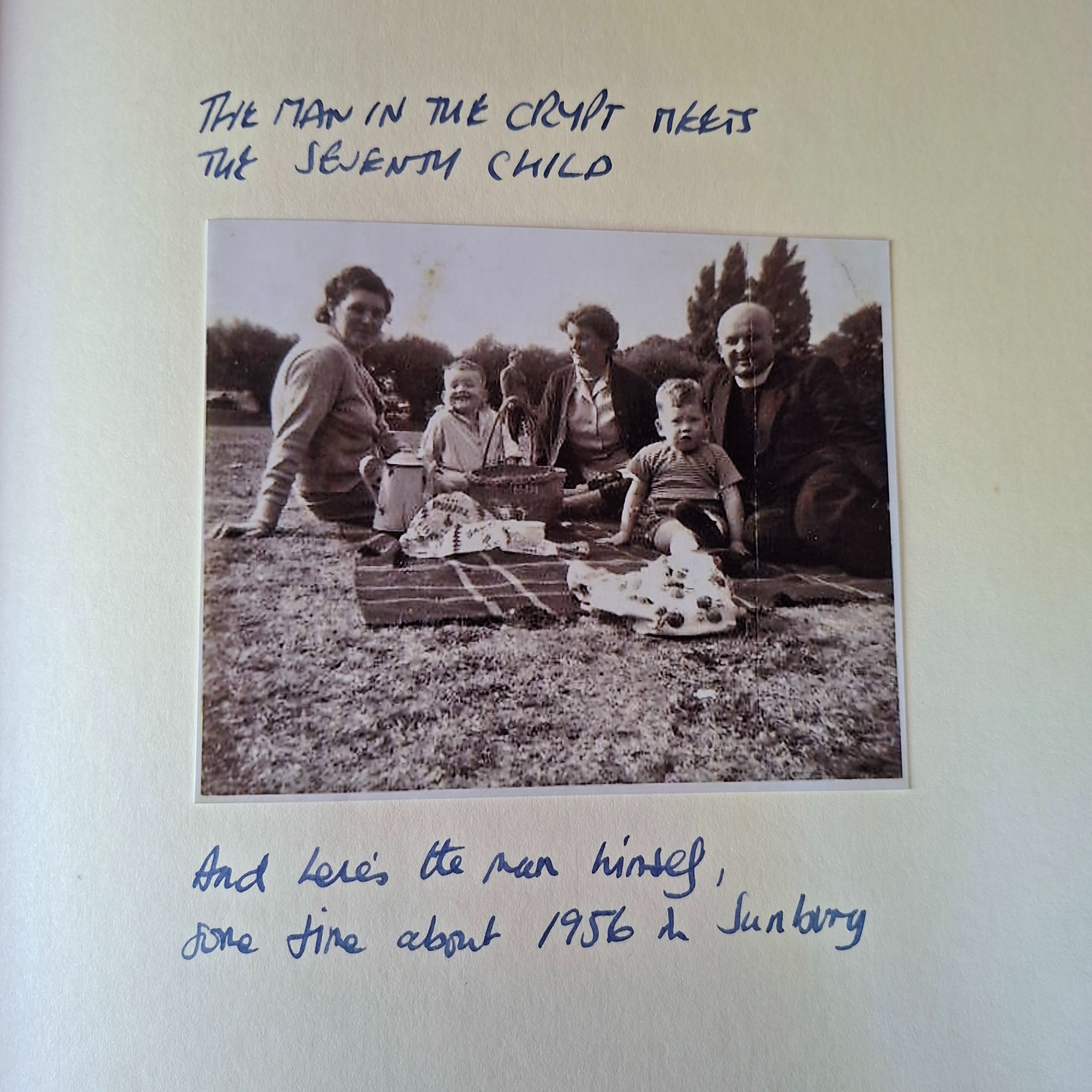
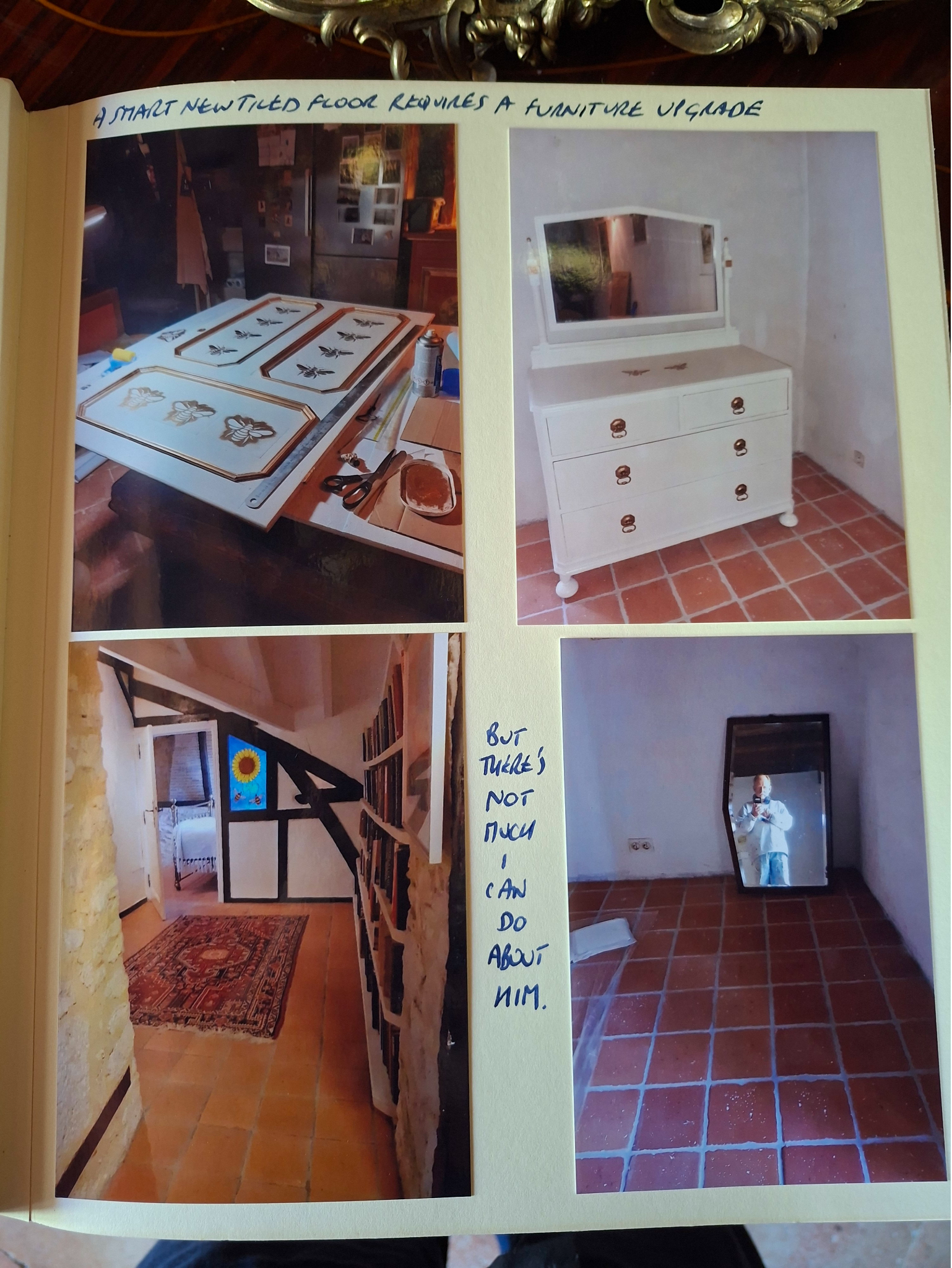
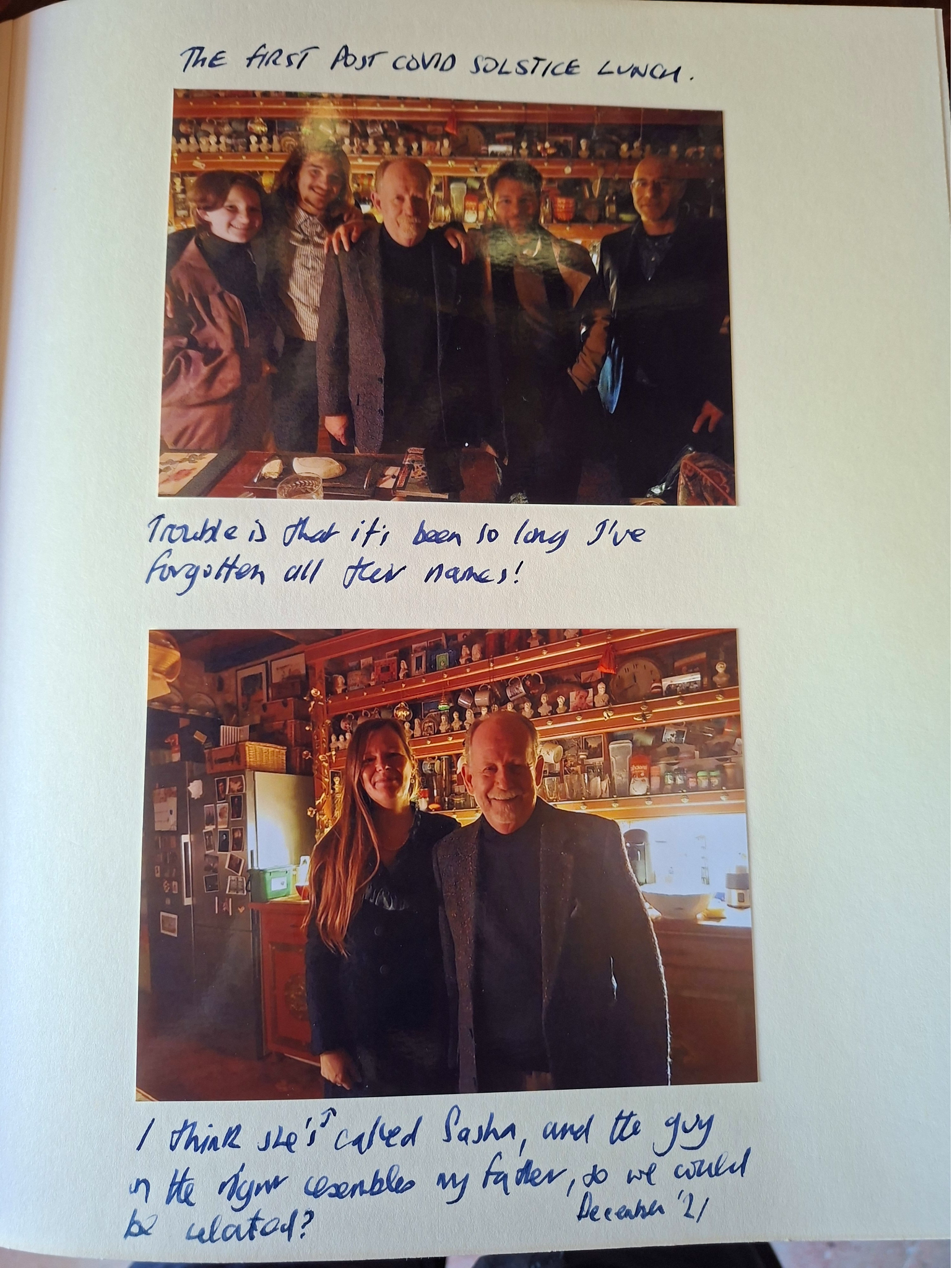
BrendanWorld™ was constructed in 1987, and houses an important collection of art, books, photographs and artifacts, including those concerning the life, times and work of Brendan Bruce, (Chief Curator of the Dominic Lagan gallery) known as 'The Seventh Child', and his father, the legendary WWII hero Flight Lieutenant Dominic Bruce OBE MC AFM MA (Oxon) KSG RAF, the 'Medium Sized Man' of Colditz Castle fame.
For more details about The Seventh Child, see https://www.amazon.fr/-/en/stores/author/B001KE8Z2A/about
For more details about The Seventh Child, see https://www.amazon.fr/-/en/stores/author/B001KE8Z2A/about
THE BRENDANWORLD™ MANIFESTO
BRENDANWORLD™ ART IS DEFINED AS SOMETHING WITH ONE OR MORE OF THESE QUALITIES:
THAT THE VIEWER ACTIVELY ENGAGES WITH
THAT THE VIEWER IS INTIMATE WITH
THAT CHANGES THE VIEWER
THAT MAKES THE VIEWER THINK, NOT JUST FEEL
THAT MAKES A CONNECTION
THAT MAKES THE VIEWER DO SOMETHING
THAT IS ACCESSIBLE TO ANYONE
THAT IS LIKED BY PEOPLE WHO DON’T LIKE ART
THAT DOESN’T BELONG IN AN ART GALLERY
THAT IS WITHOUT JARGON
THAT AN INTELLIGENT CHILD MAY NOT UNDERSTAND COMPLETELY, BUT WOULD BE FASCINATED BY AND WOULD REMEMBER
THAT IS SLIGHTLY MAD, WEIRD OR UNUSUAL OR FRIGHTENING
THAT IS MECHANICAL AND THAT WORKS
THAT THINKS OR ACTS OR MOVES IN A HUMAN WAY, BUT ISN’T HUMAN
THAT IS USEFUL OR BEAUTIFUL OR BOTH
THAT HAS CULTURAL OR RELIGIOUS SIGNIFICANCE
THAT HAS A CLEAR THEME OR AN IDEA EASILY EXPRESSED
THAT HAS A HISTORY AND A BACK STORY
THAT ASKS A QUESTION AND FORCES A RESPONSE
THAT IS MADE WITH SKILL AND CRAFT AND ATTENTION TO DETAIL
THAT IS AMBITIOUS EITHER IN SCOPE OR SIZE OR COMPLEXITY
THAT REVEALS BOTH THE ARTIST AND THEIR INTENT
THAT THE VIEWER ACTIVELY ENGAGES WITH
THAT THE VIEWER IS INTIMATE WITH
THAT CHANGES THE VIEWER
THAT MAKES THE VIEWER THINK, NOT JUST FEEL
THAT MAKES A CONNECTION
THAT MAKES THE VIEWER DO SOMETHING
THAT IS ACCESSIBLE TO ANYONE
THAT IS LIKED BY PEOPLE WHO DON’T LIKE ART
THAT DOESN’T BELONG IN AN ART GALLERY
THAT IS WITHOUT JARGON
THAT AN INTELLIGENT CHILD MAY NOT UNDERSTAND COMPLETELY, BUT WOULD BE FASCINATED BY AND WOULD REMEMBER
THAT IS SLIGHTLY MAD, WEIRD OR UNUSUAL OR FRIGHTENING
THAT IS MECHANICAL AND THAT WORKS
THAT THINKS OR ACTS OR MOVES IN A HUMAN WAY, BUT ISN’T HUMAN
THAT IS USEFUL OR BEAUTIFUL OR BOTH
THAT HAS CULTURAL OR RELIGIOUS SIGNIFICANCE
THAT HAS A CLEAR THEME OR AN IDEA EASILY EXPRESSED
THAT HAS A HISTORY AND A BACK STORY
THAT ASKS A QUESTION AND FORCES A RESPONSE
THAT IS MADE WITH SKILL AND CRAFT AND ATTENTION TO DETAIL
THAT IS AMBITIOUS EITHER IN SCOPE OR SIZE OR COMPLEXITY
THAT REVEALS BOTH THE ARTIST AND THEIR INTENT
Blogs




2026:
'Pop goes the Salon'
'Pop goes the Salon'
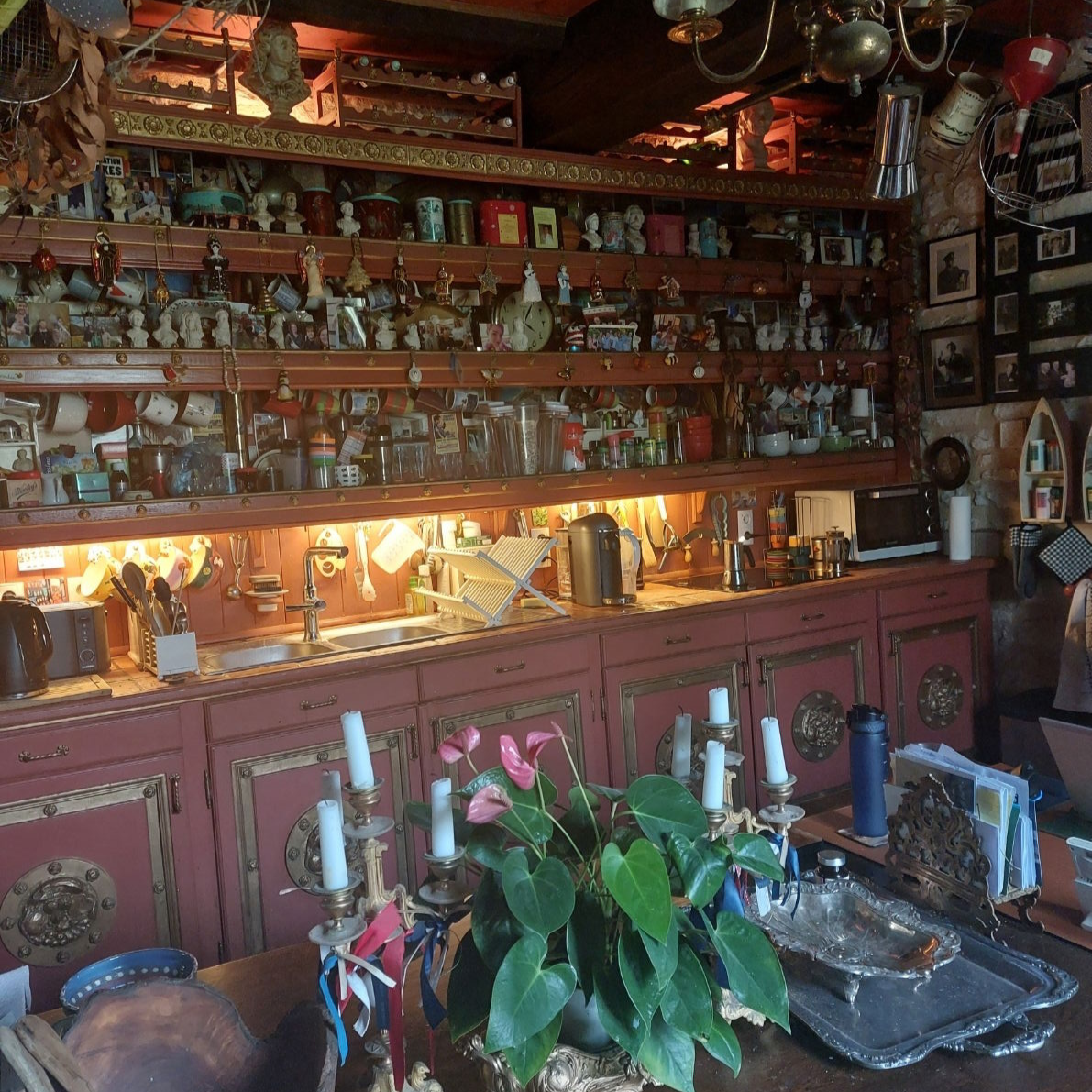
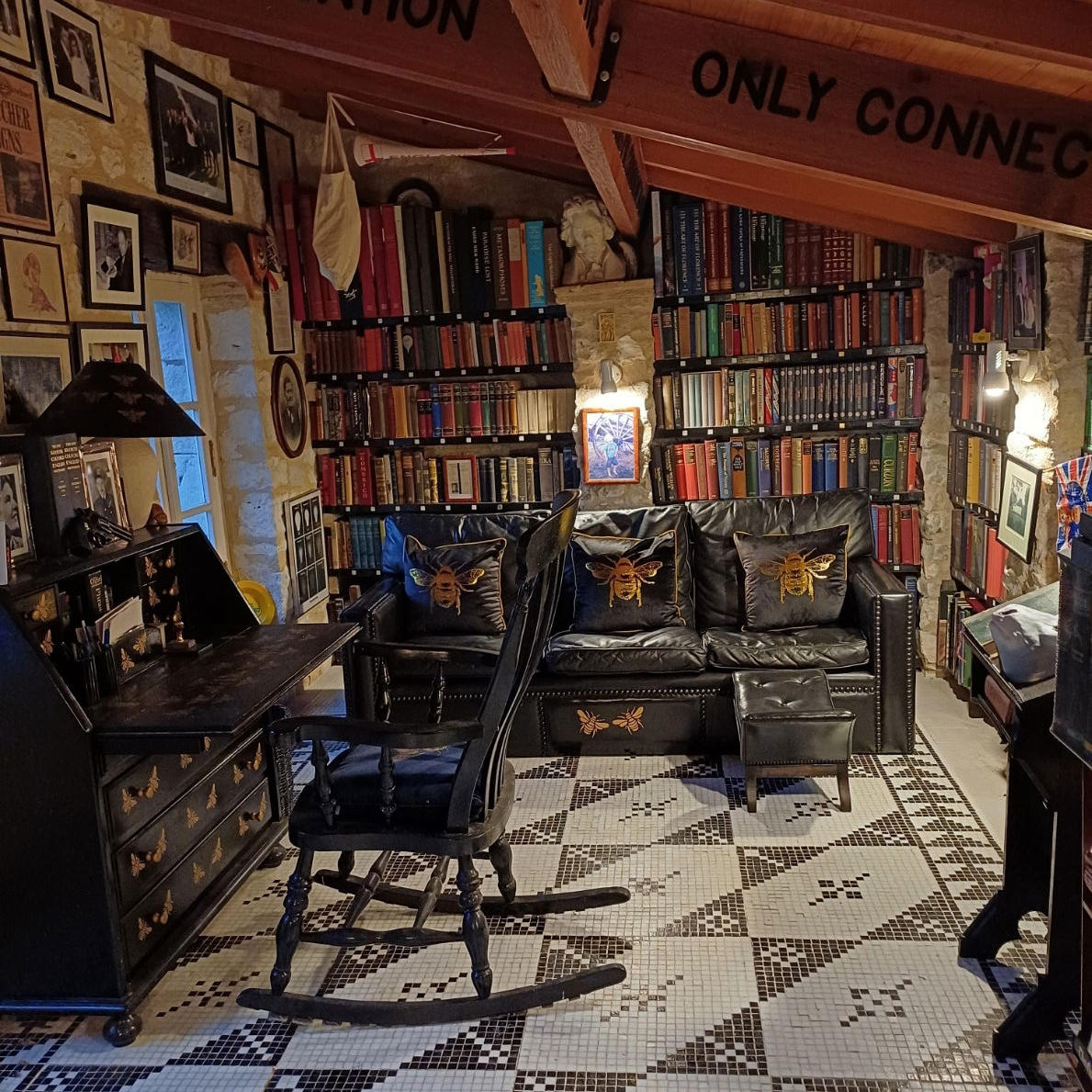
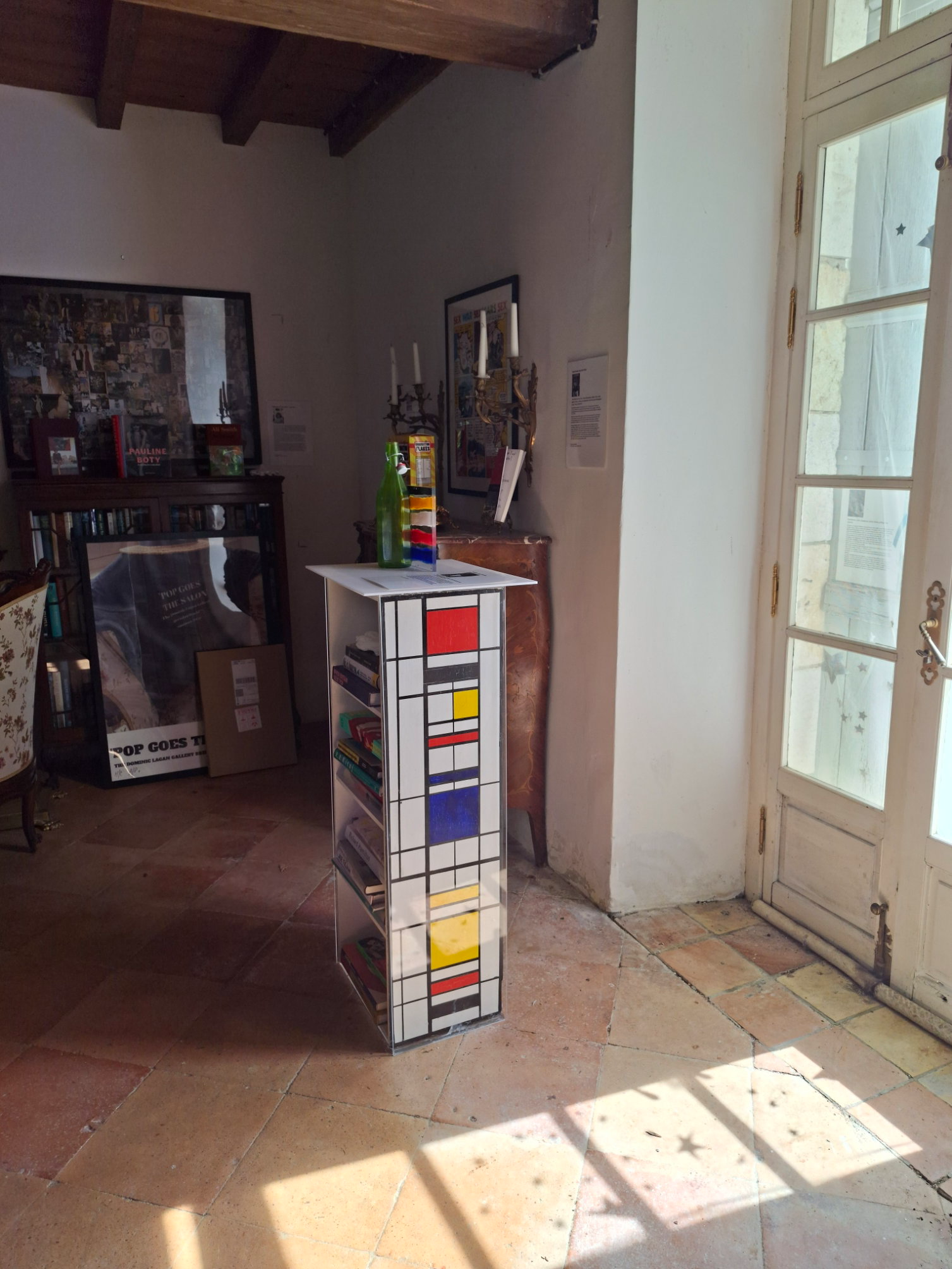
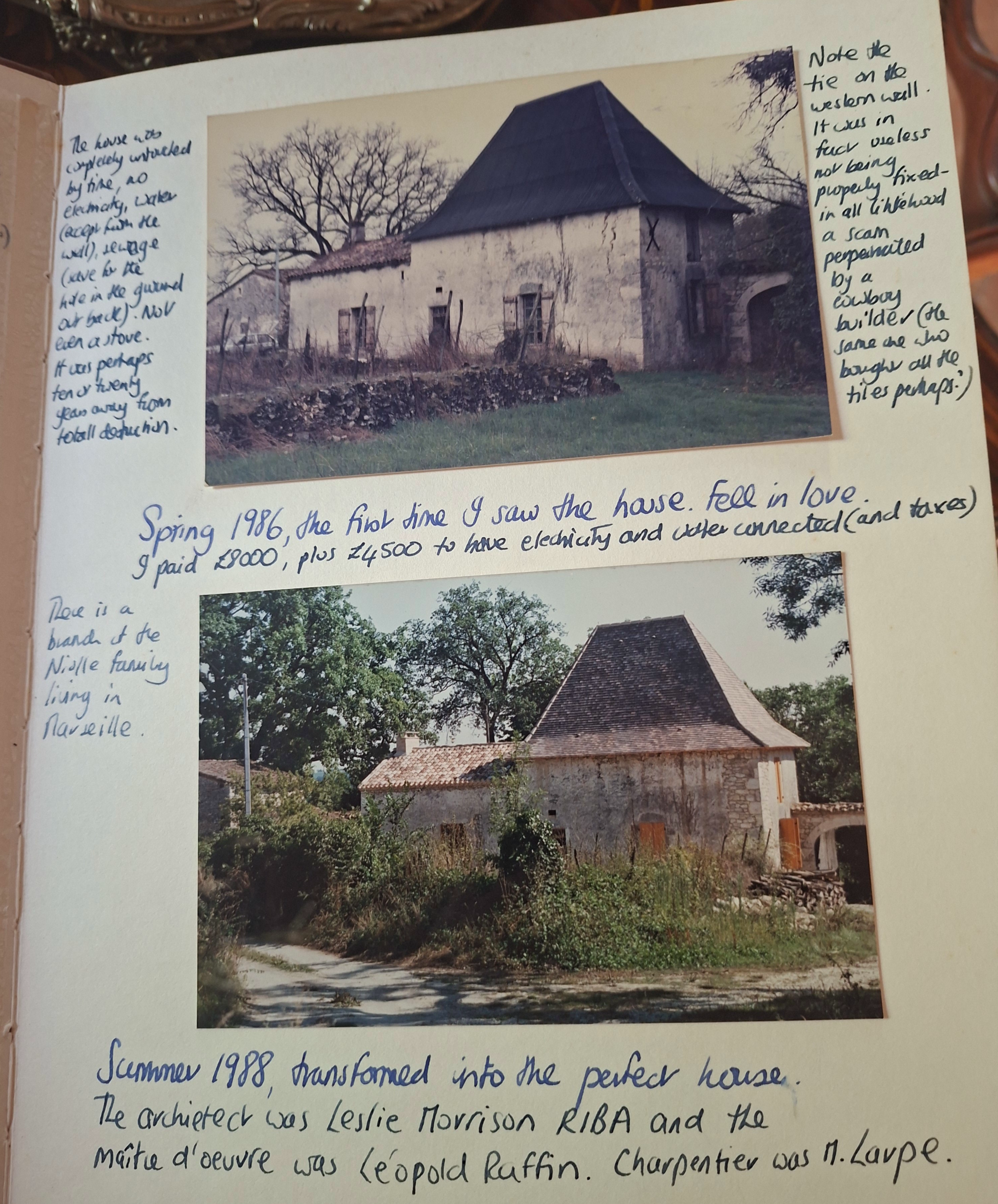
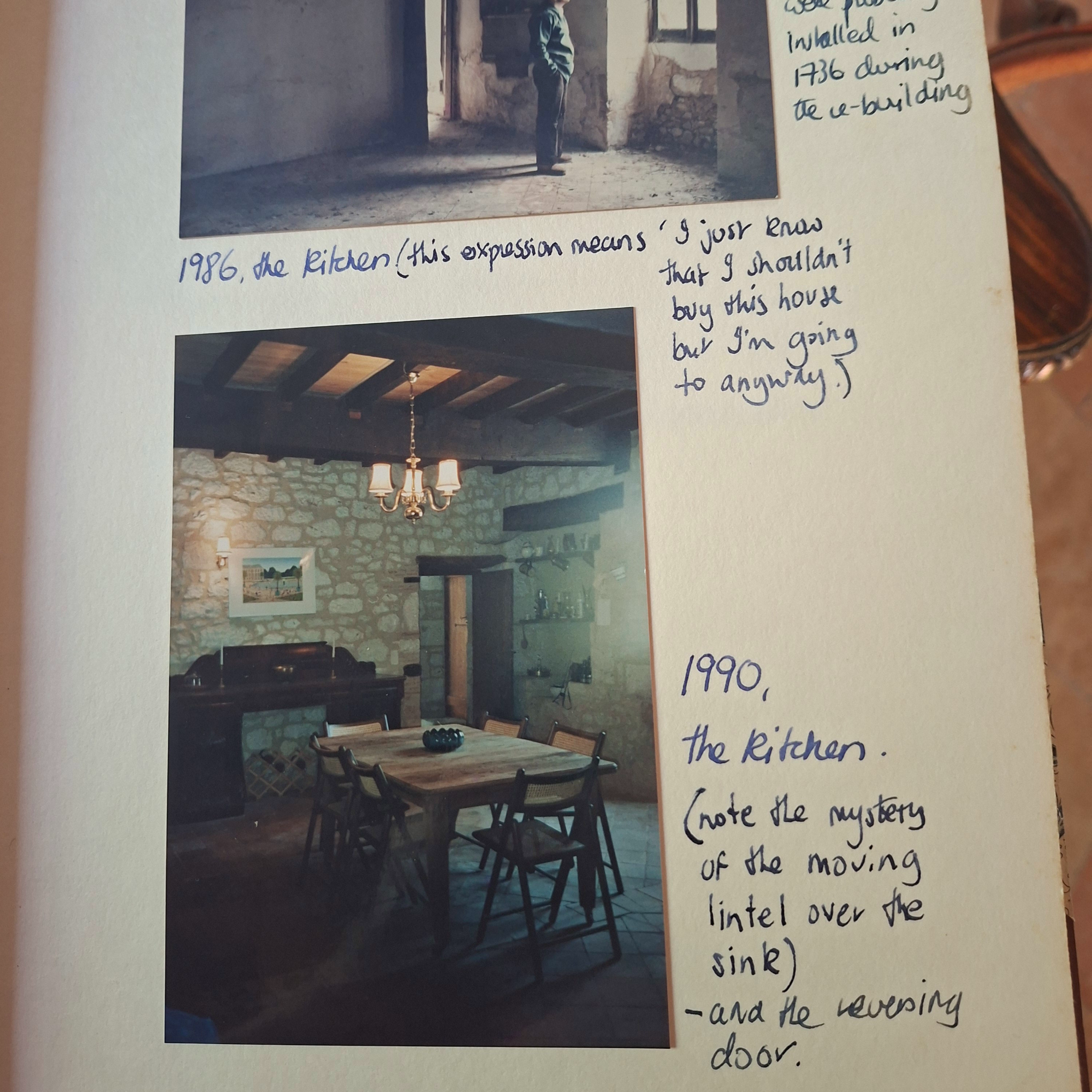
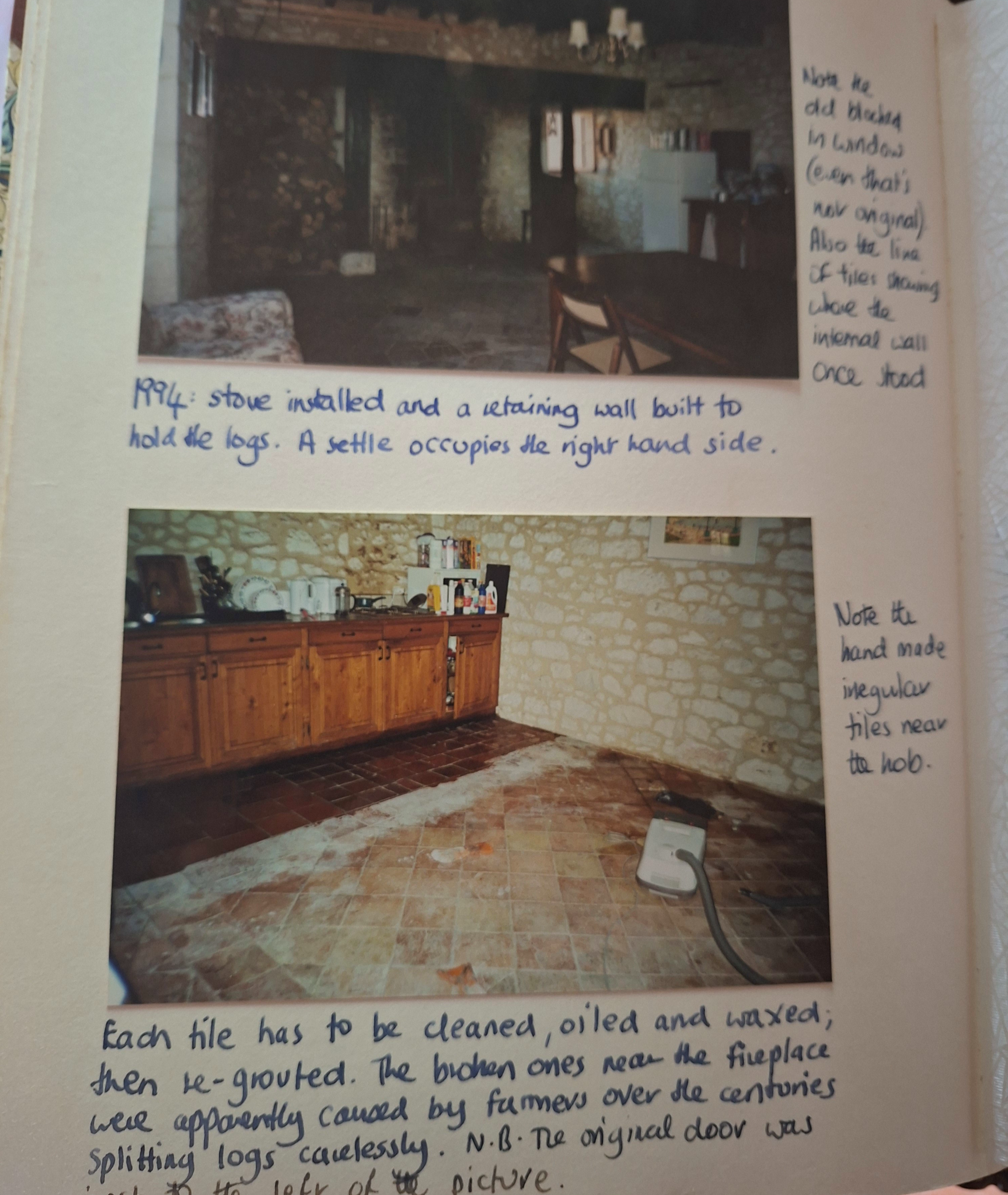
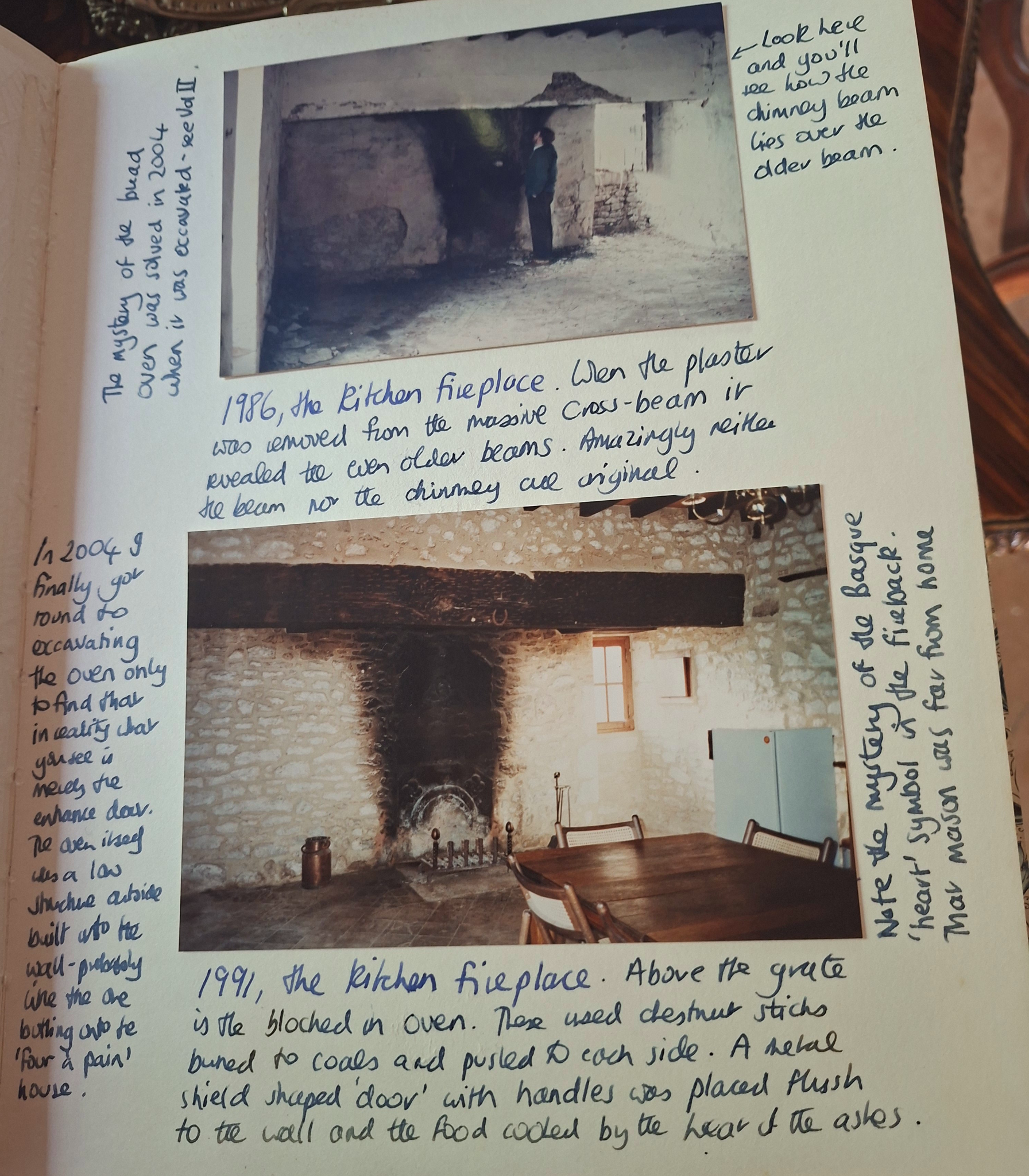
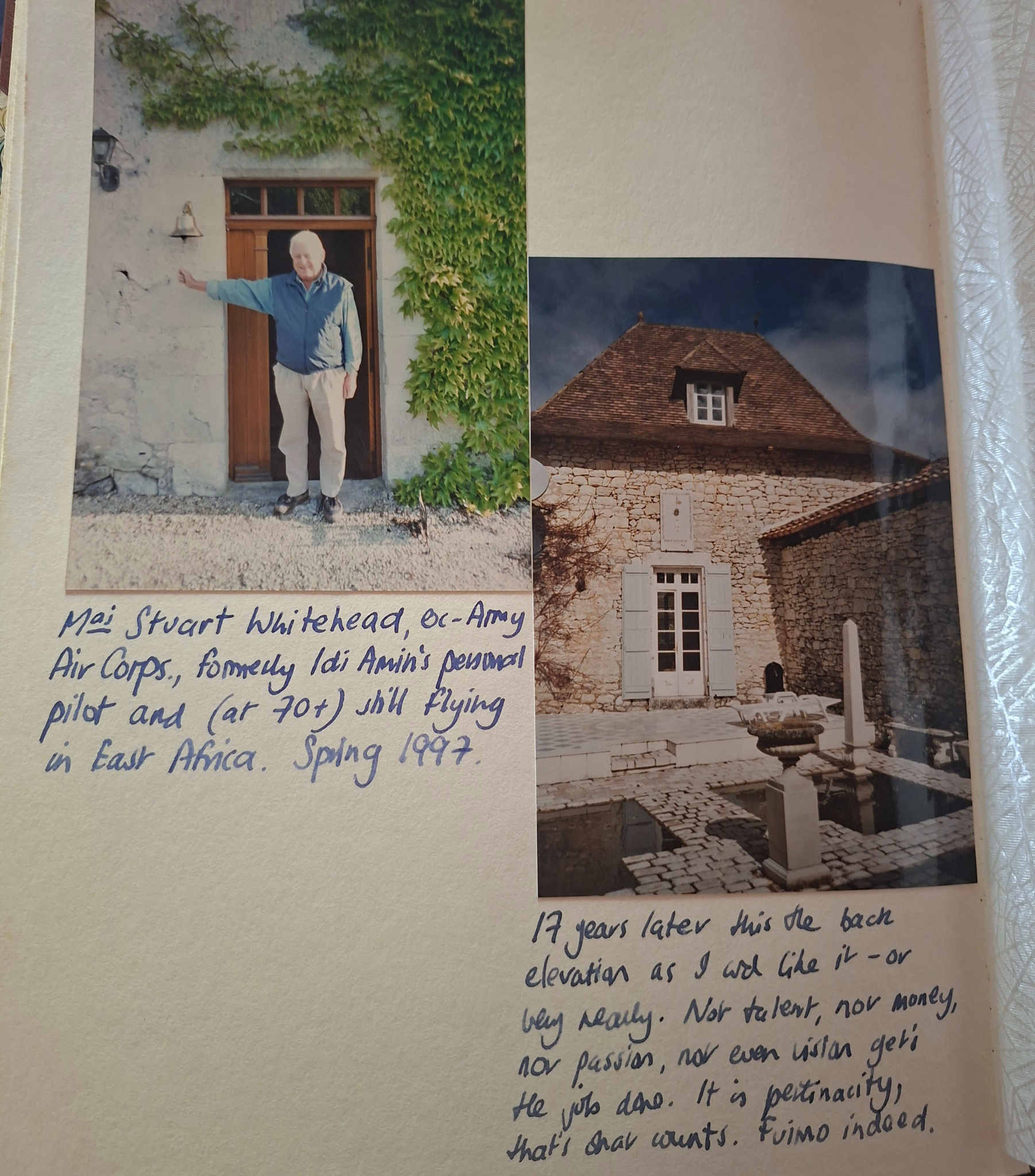
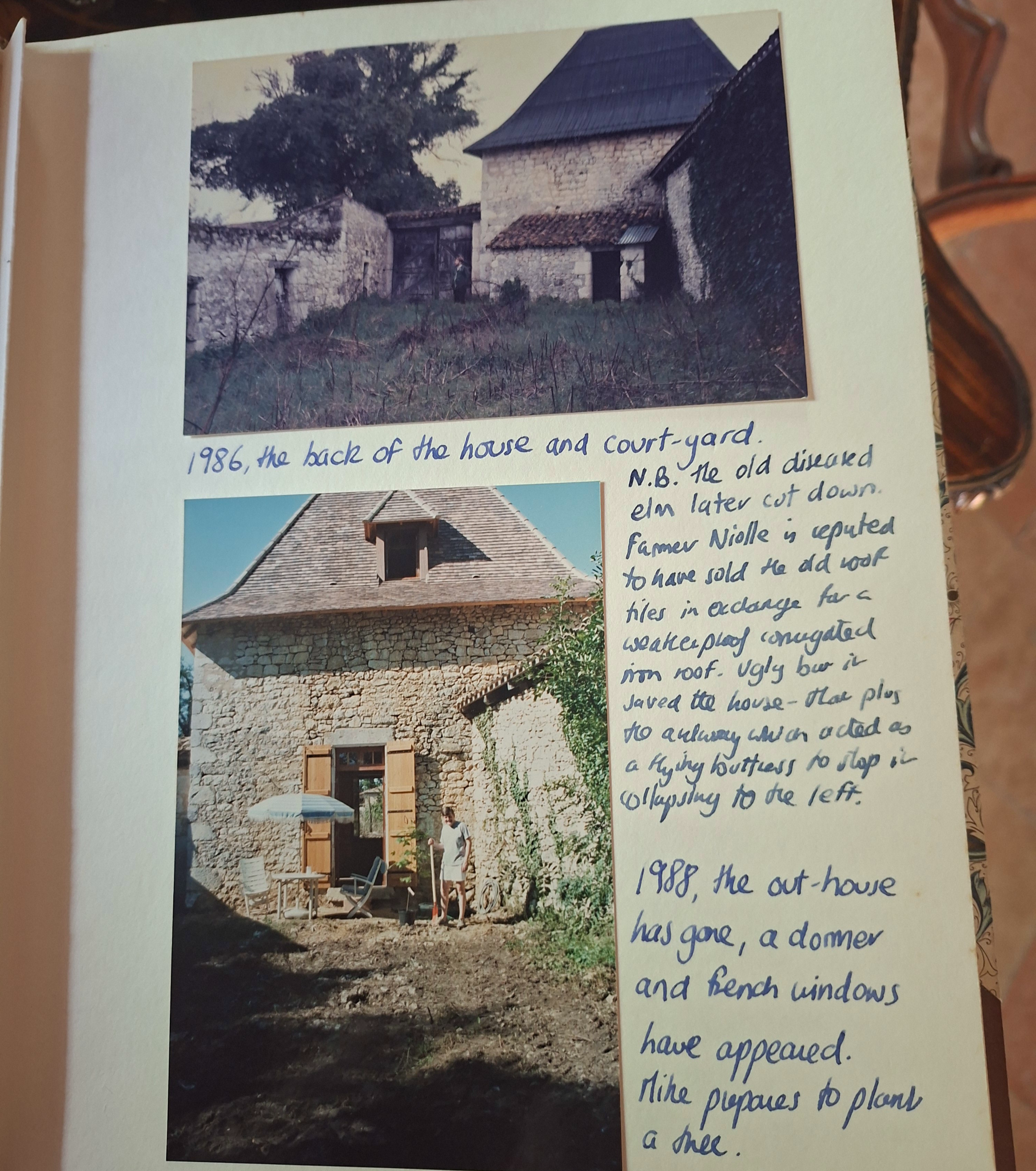
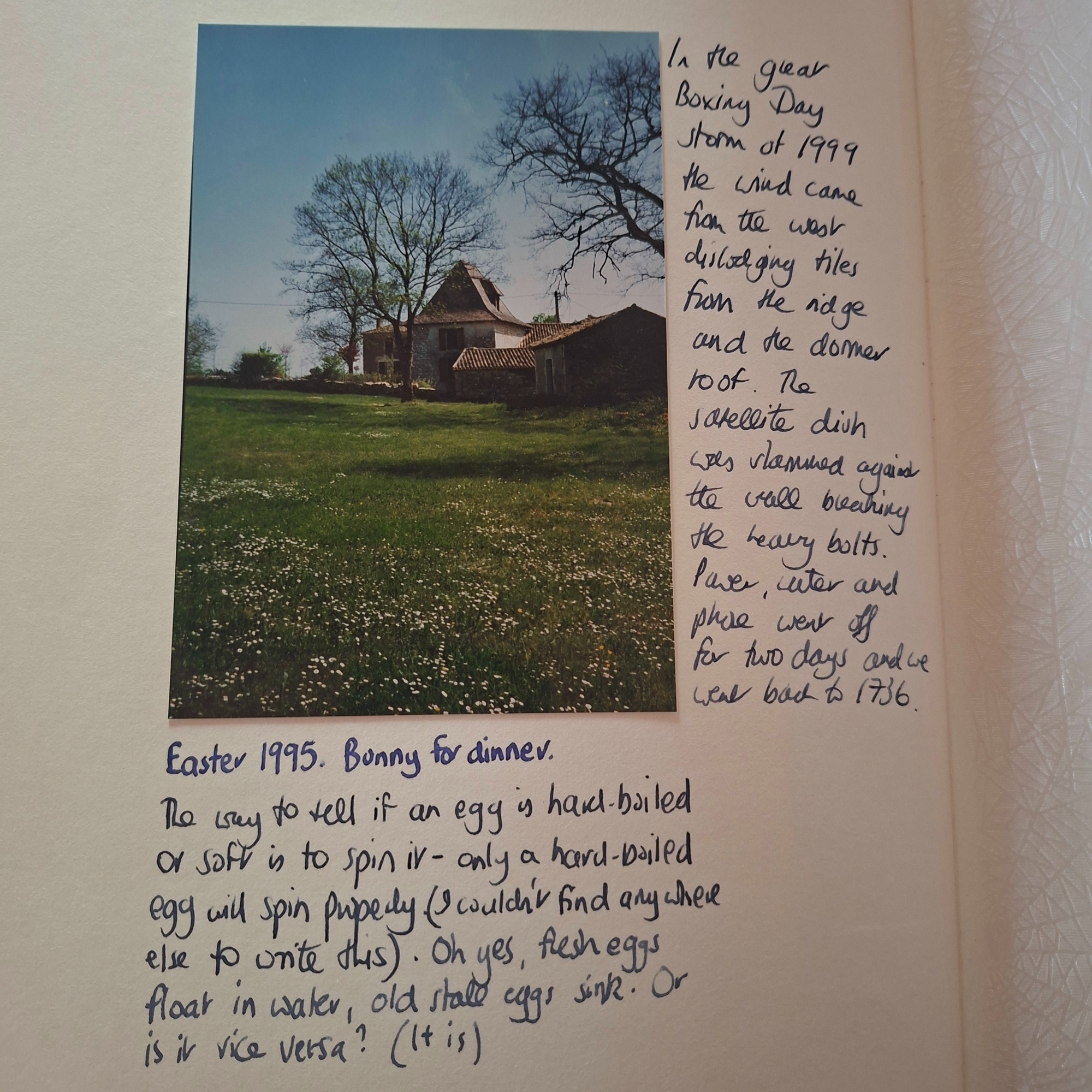
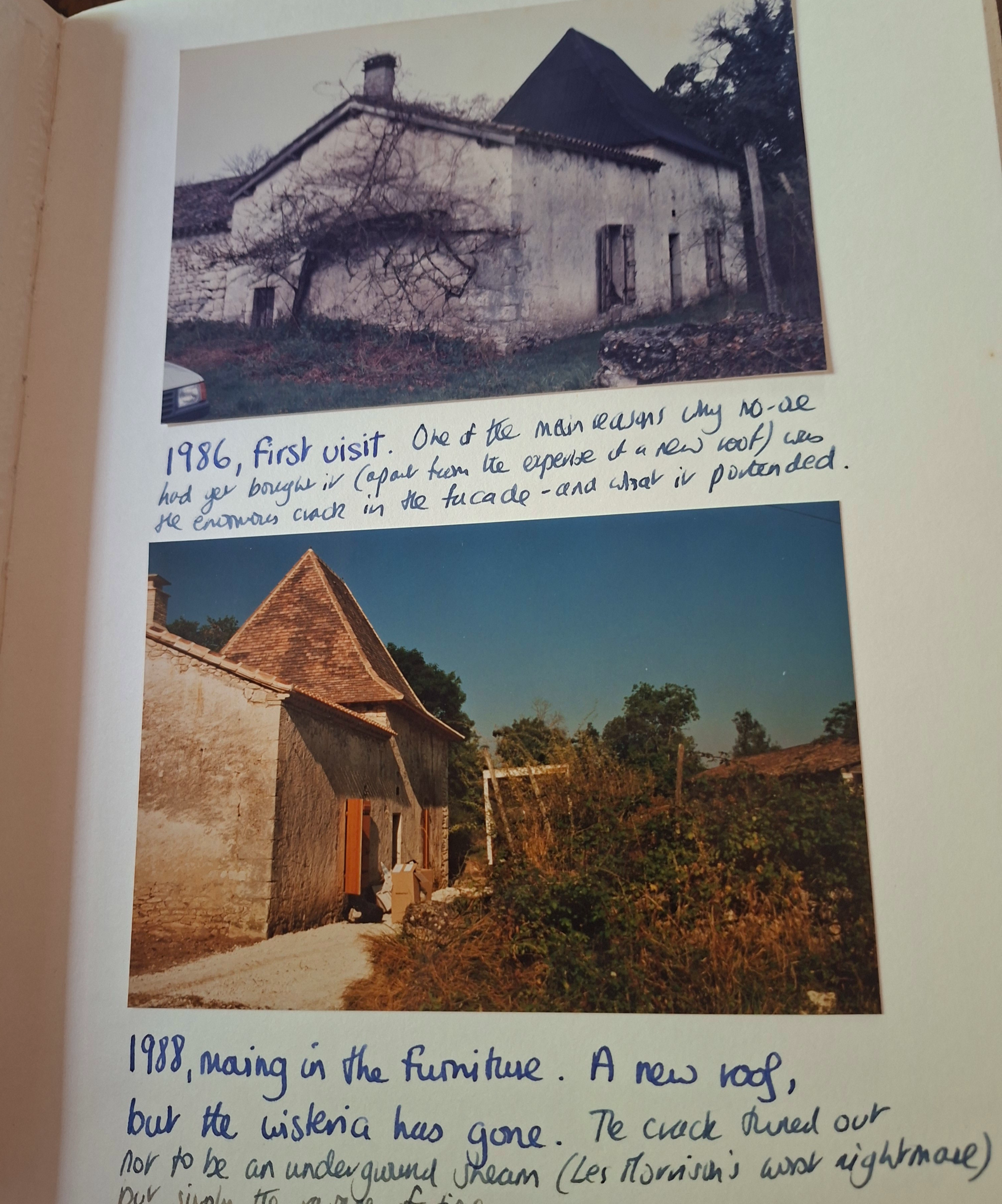
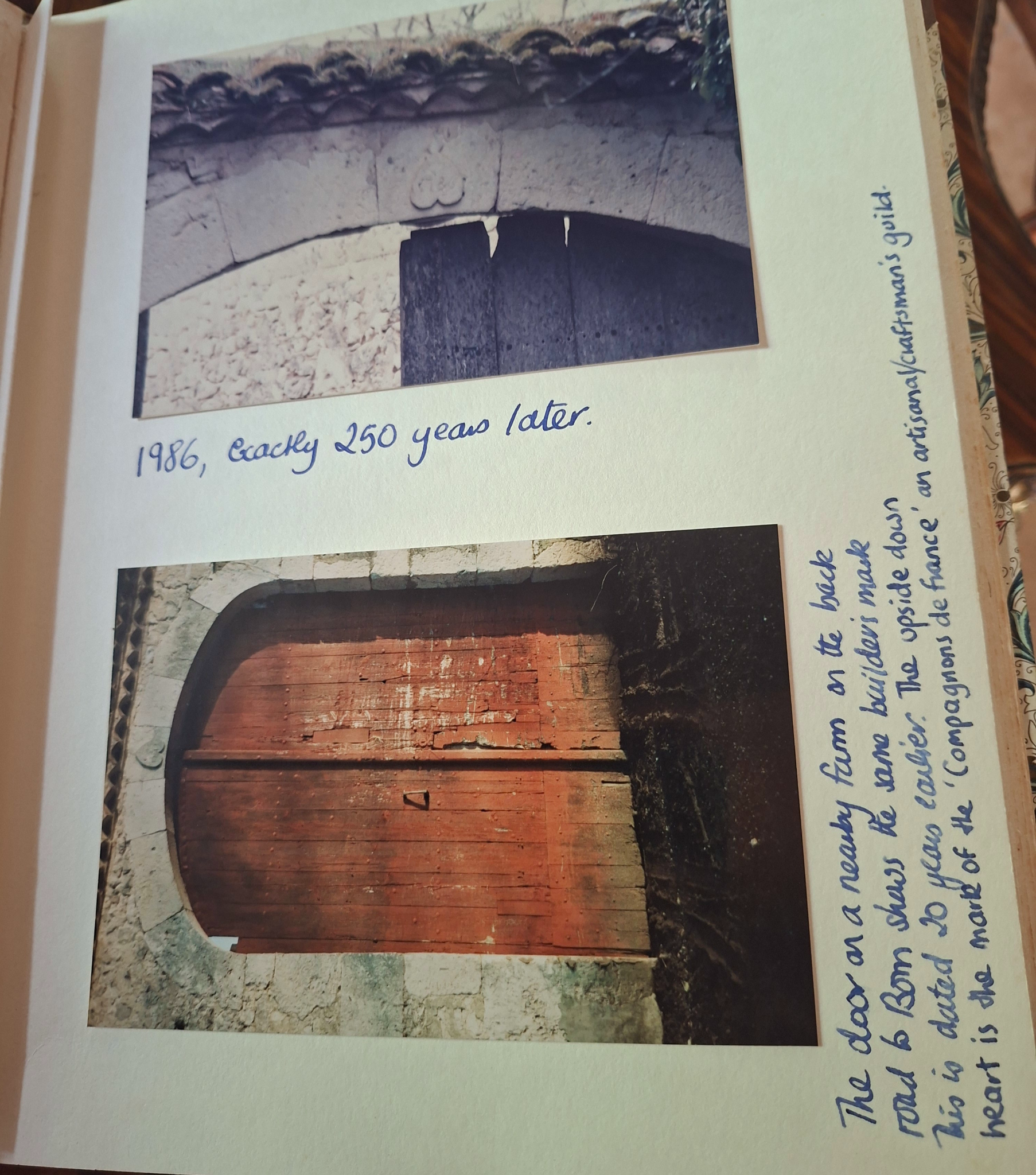
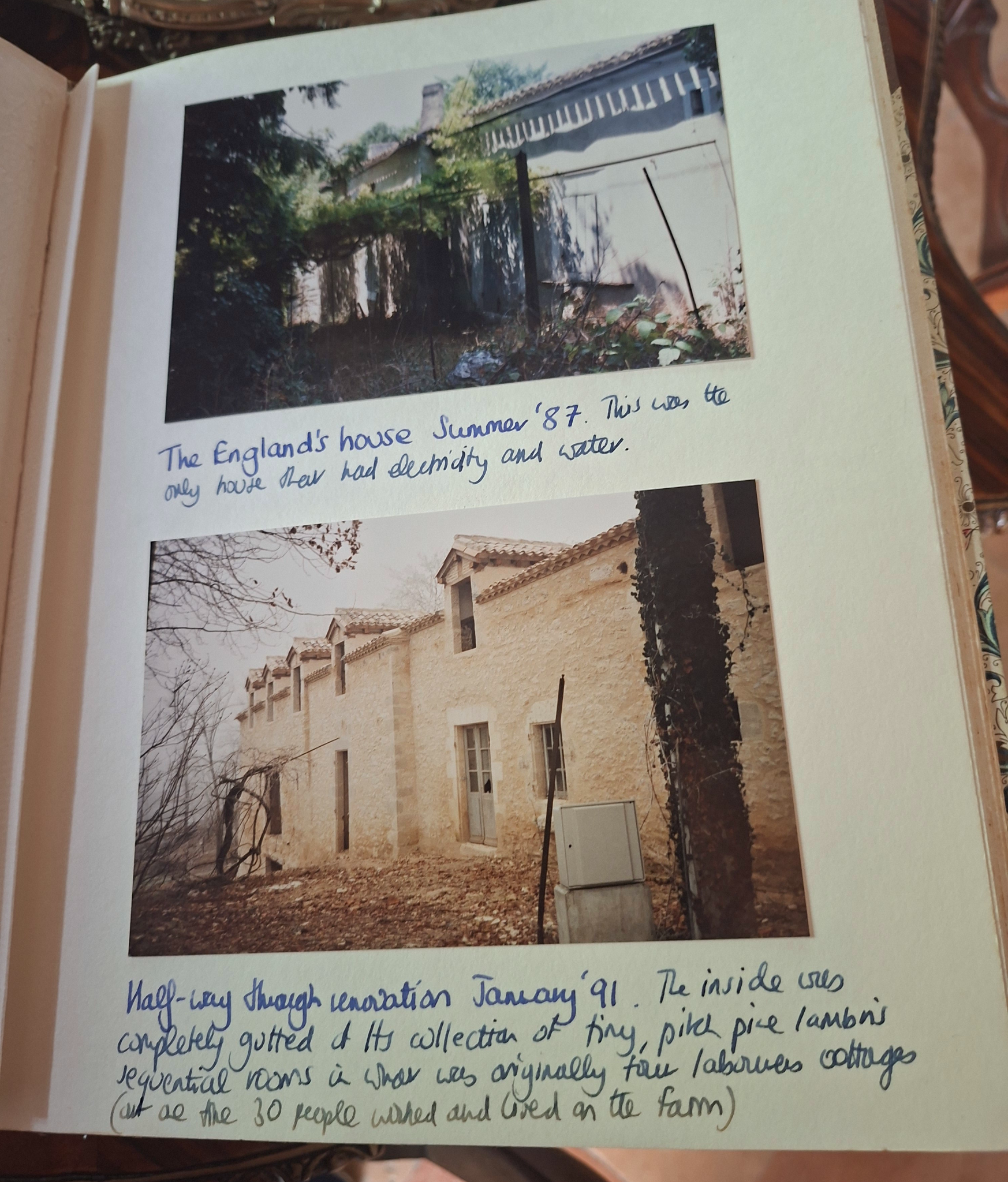
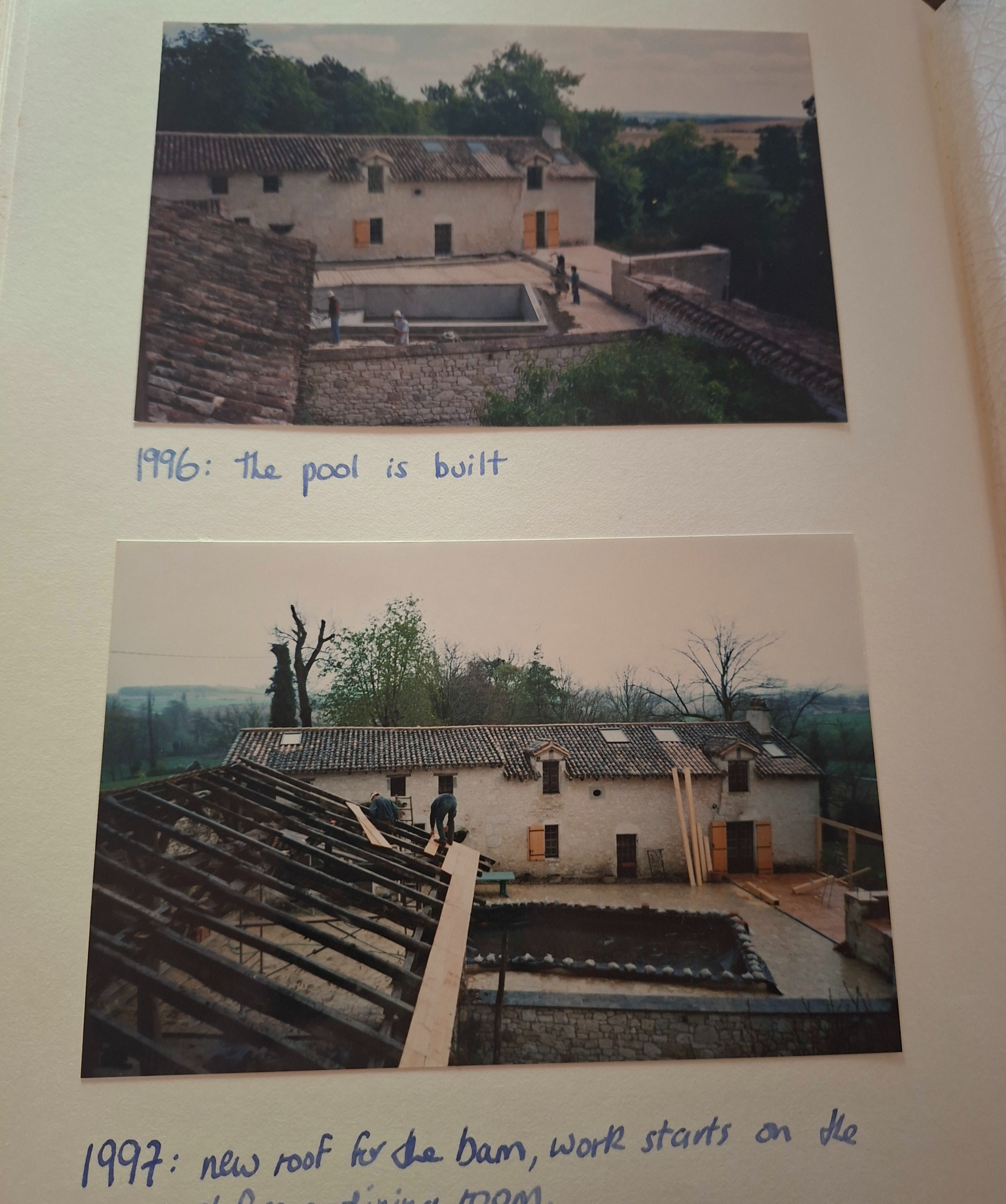
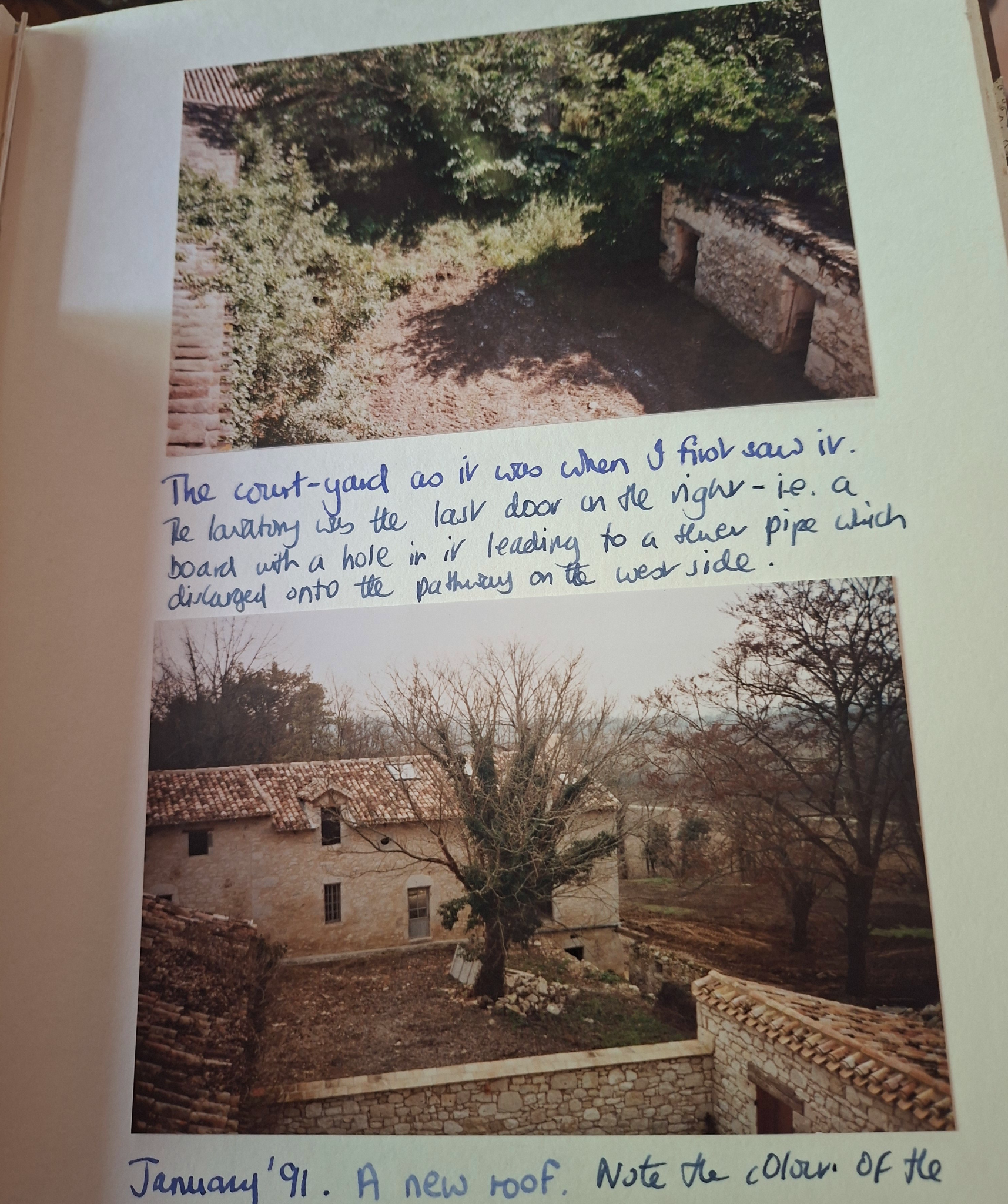
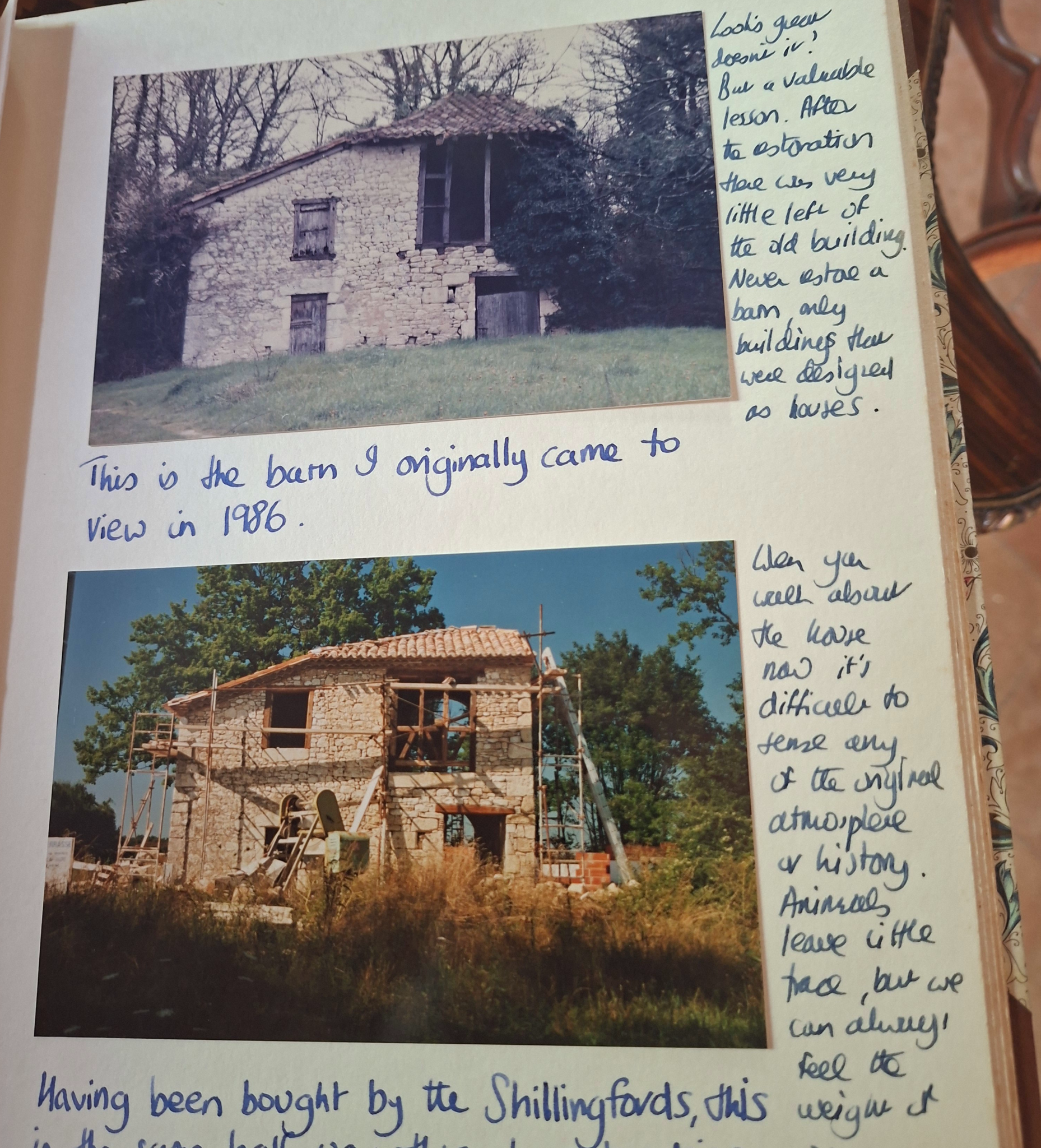
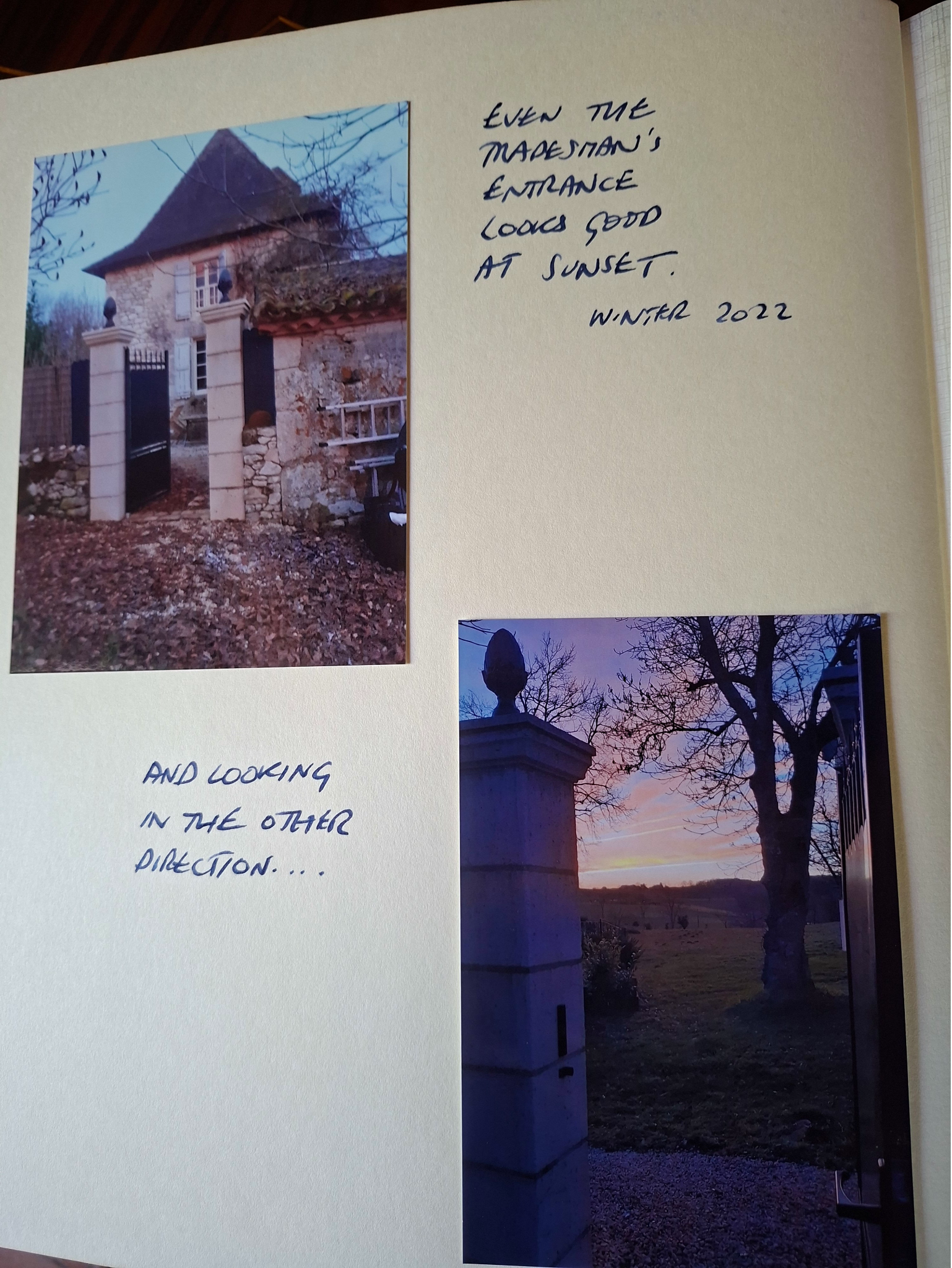
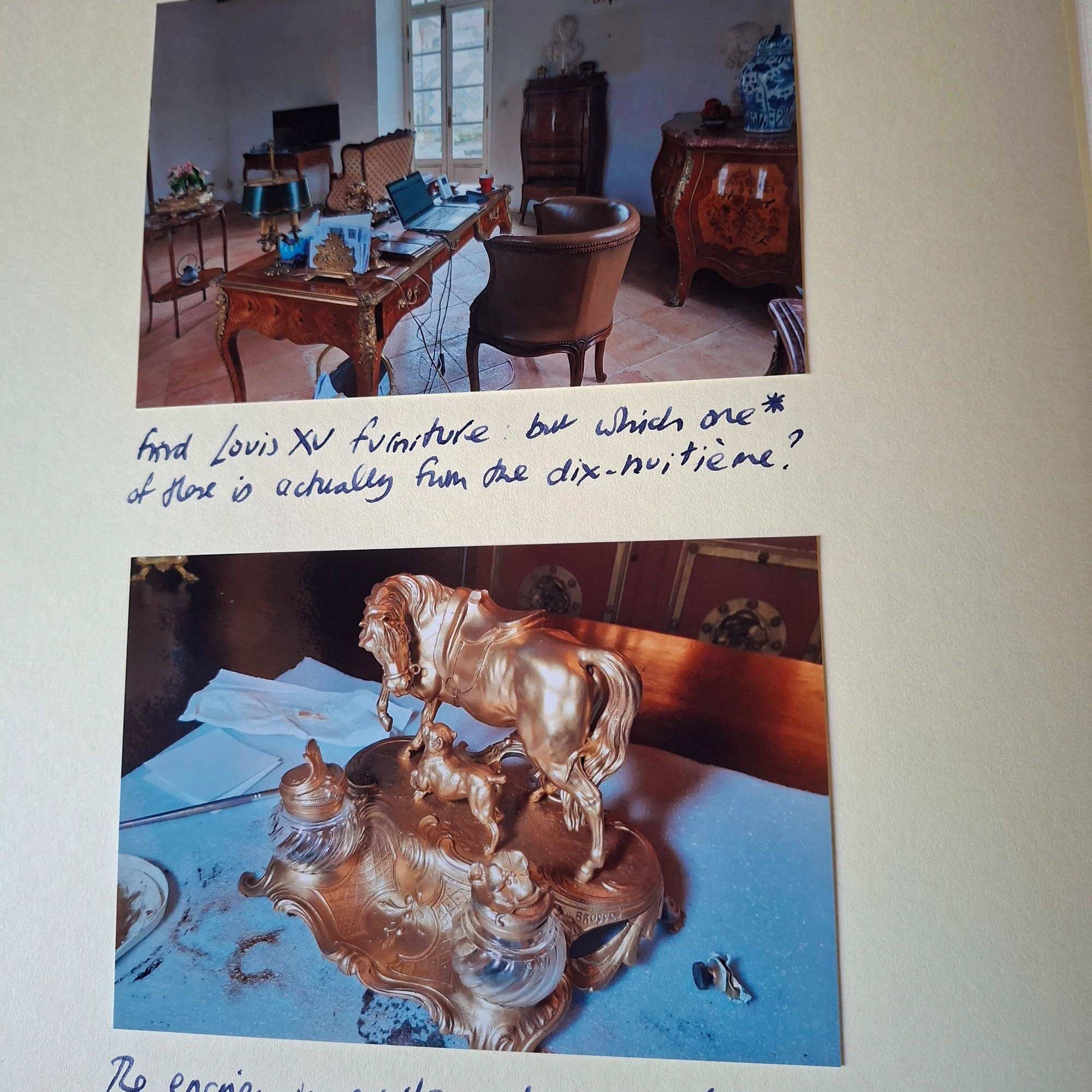
The Dominic Lagan Gallery @ BrendanWorld™ is a non-profit private gallery housed in an eighteenth-century farmhouse that presents curated works by established artists.
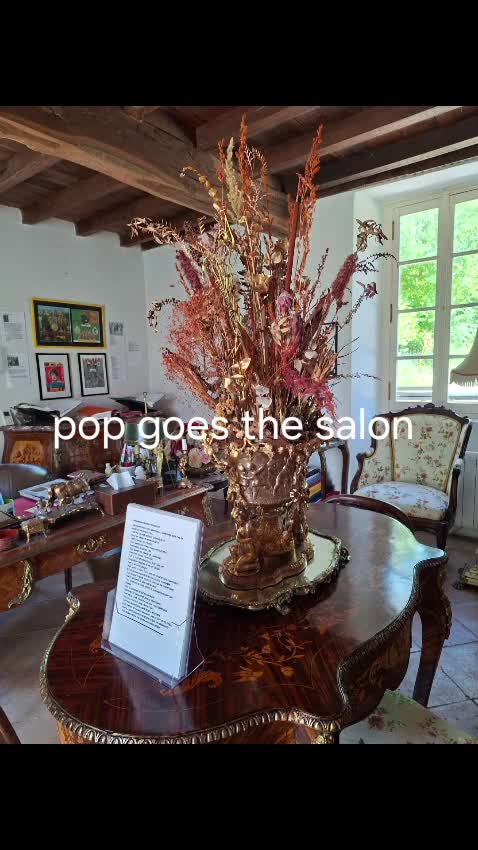
The main 'Salon Gallery' mounts a themed invitation-only exhibition each summer. Small permanent exhibits can also be viewed in the 'West Wing' annex.
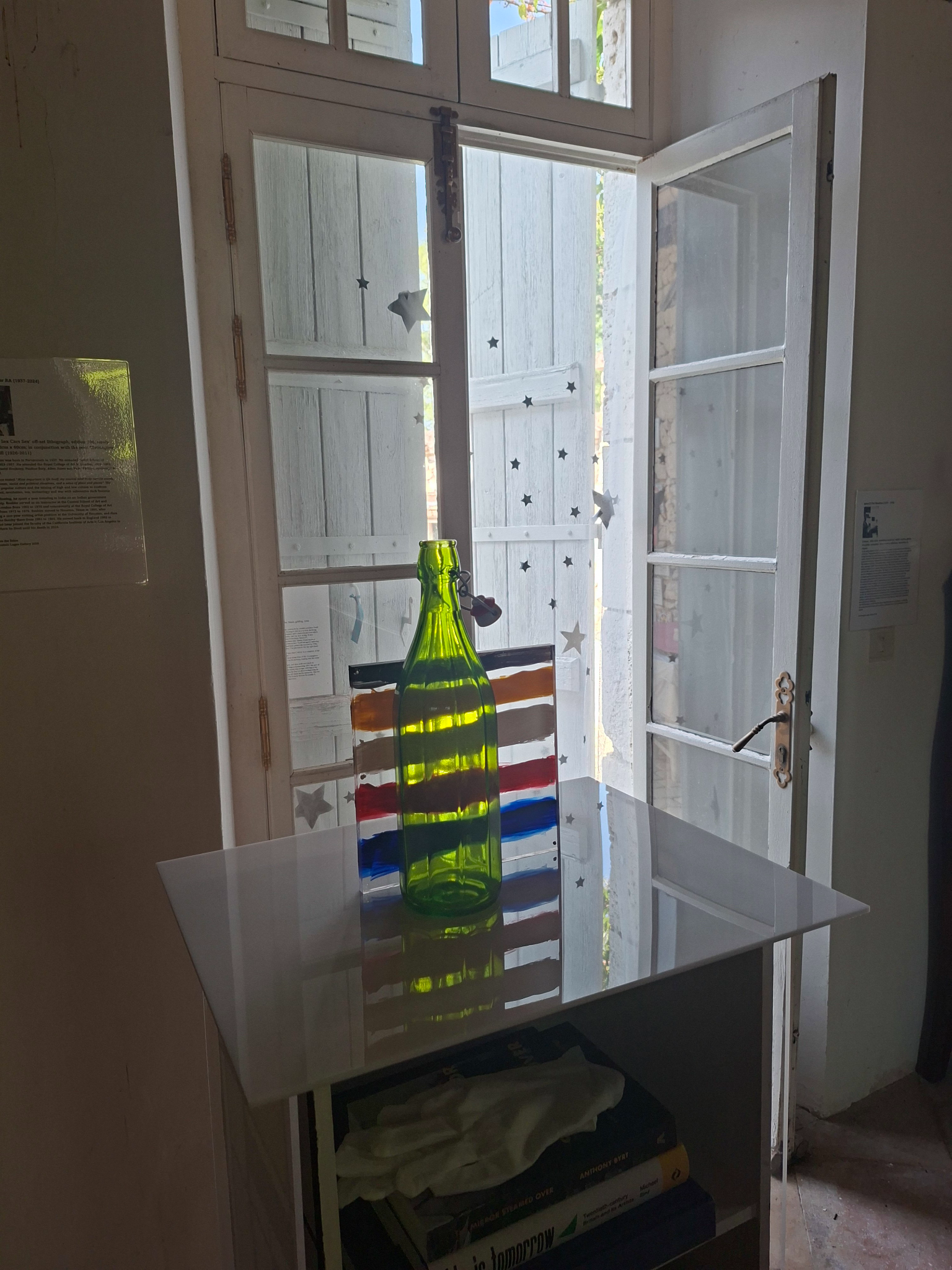
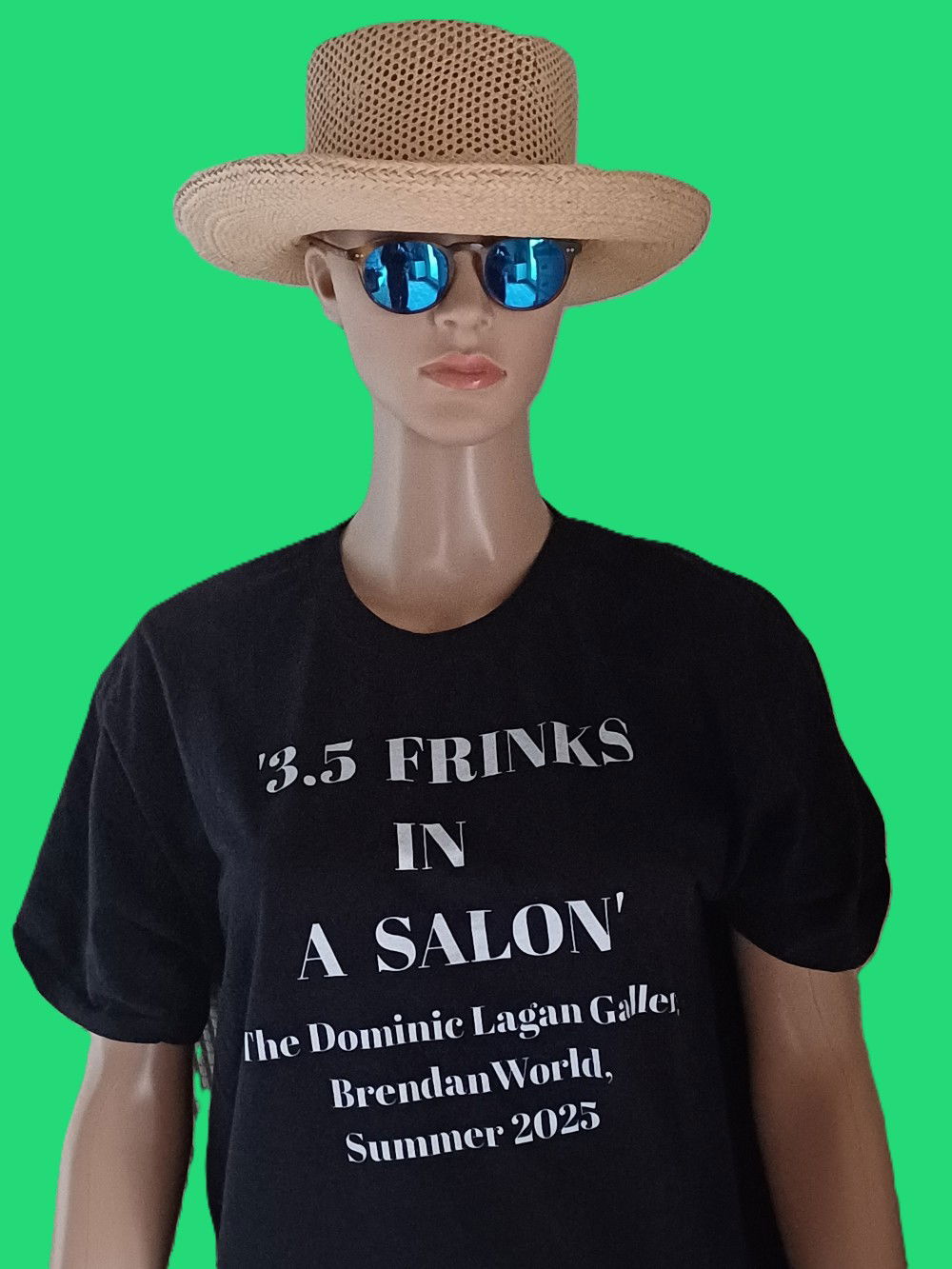
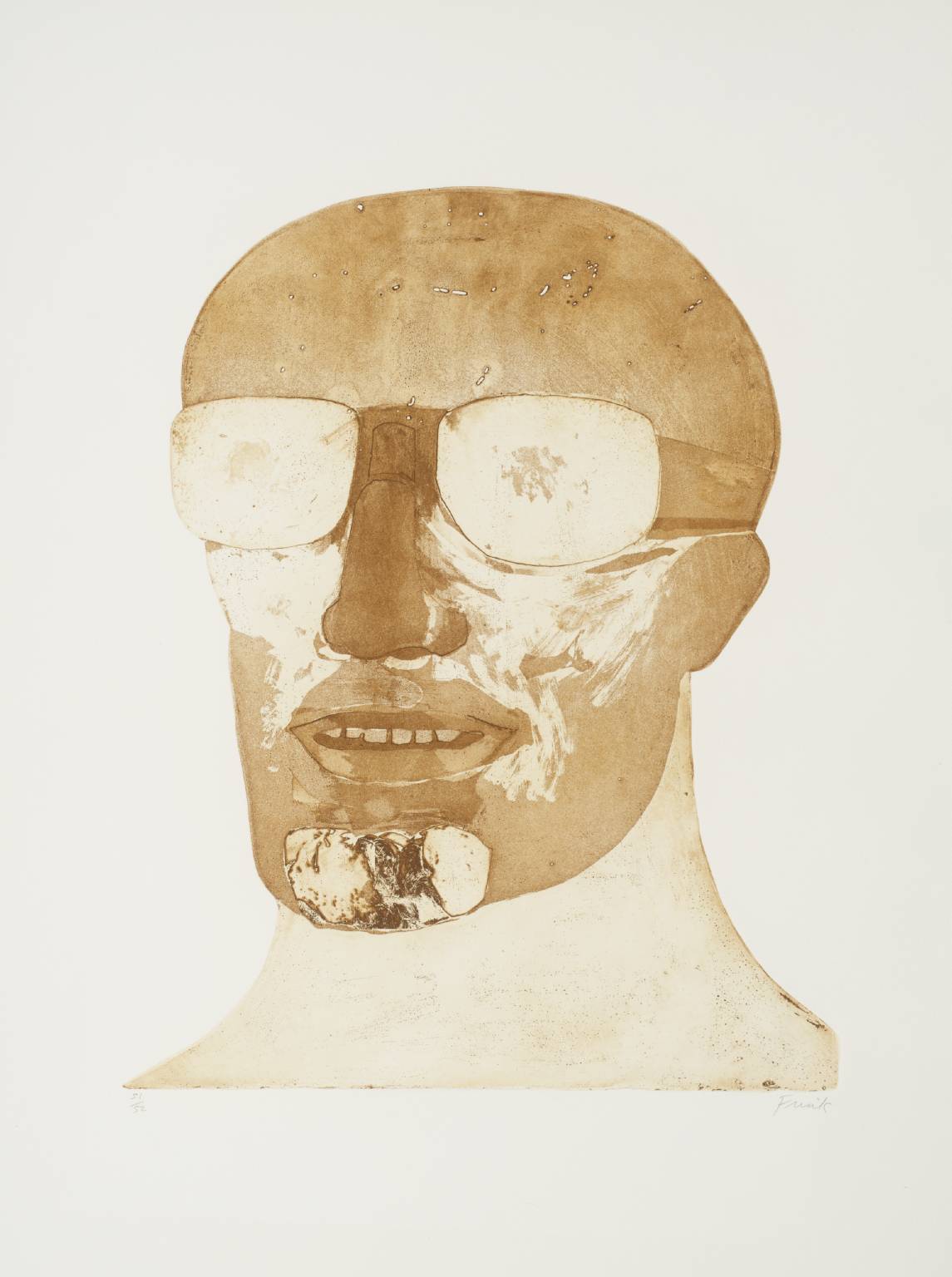
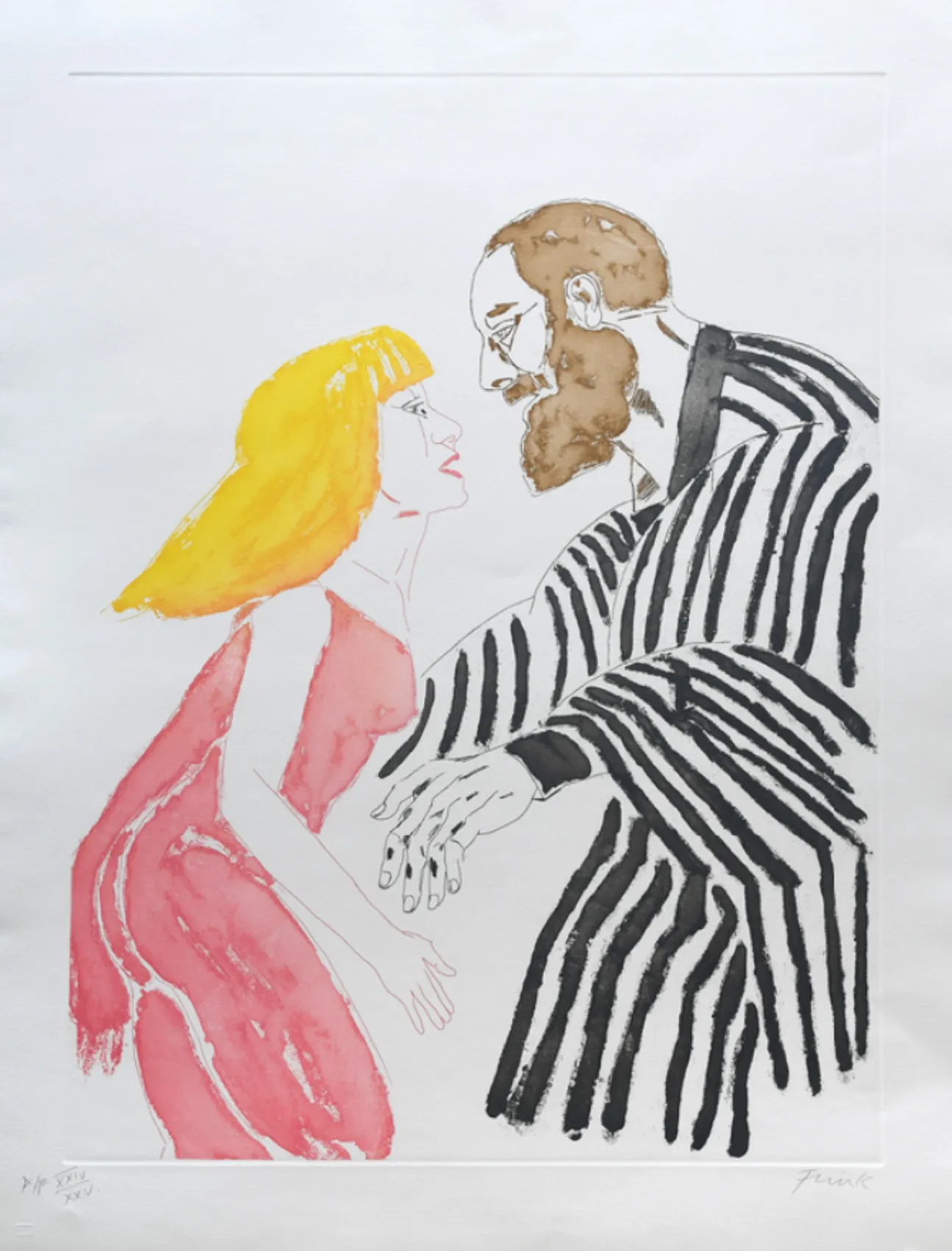
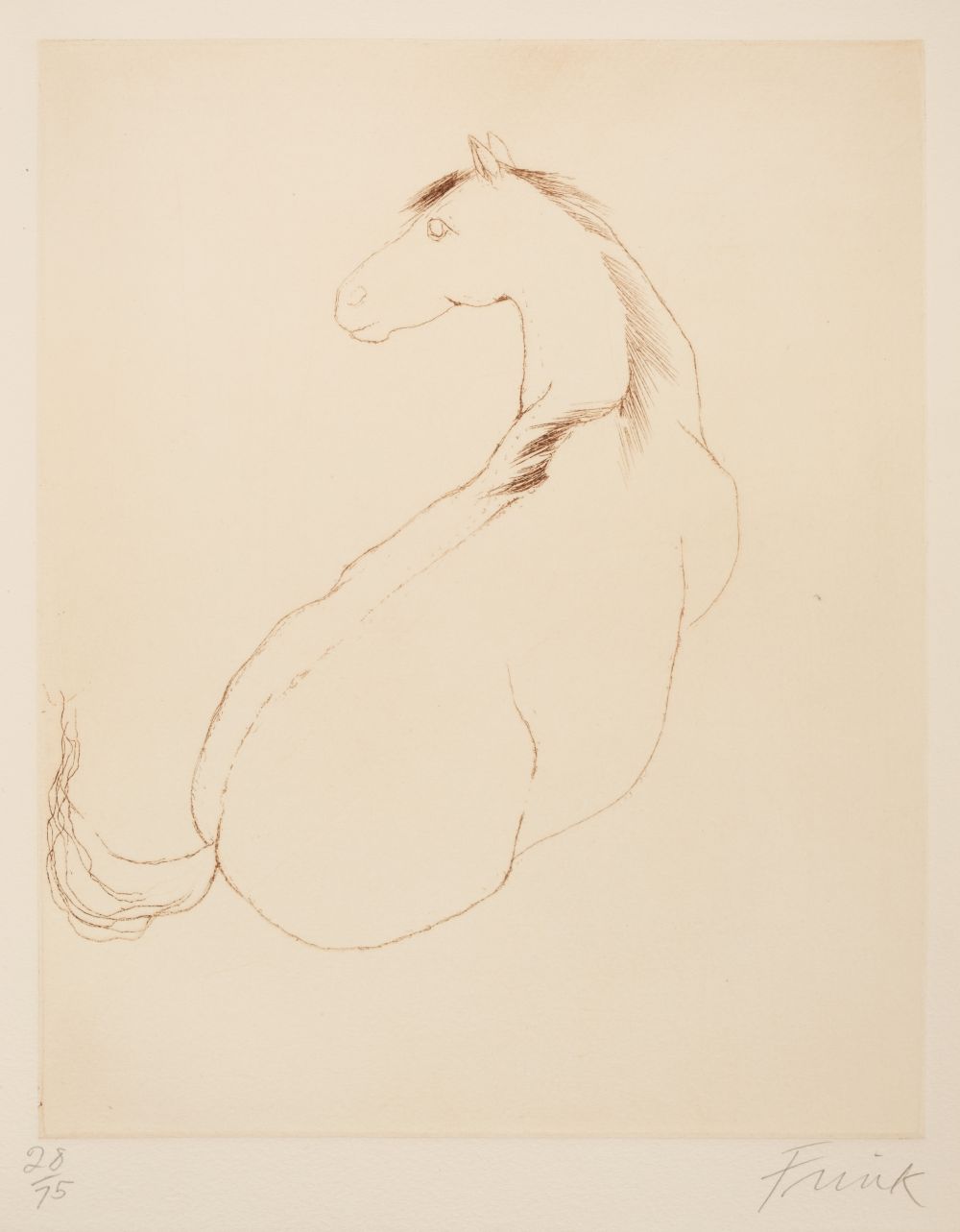
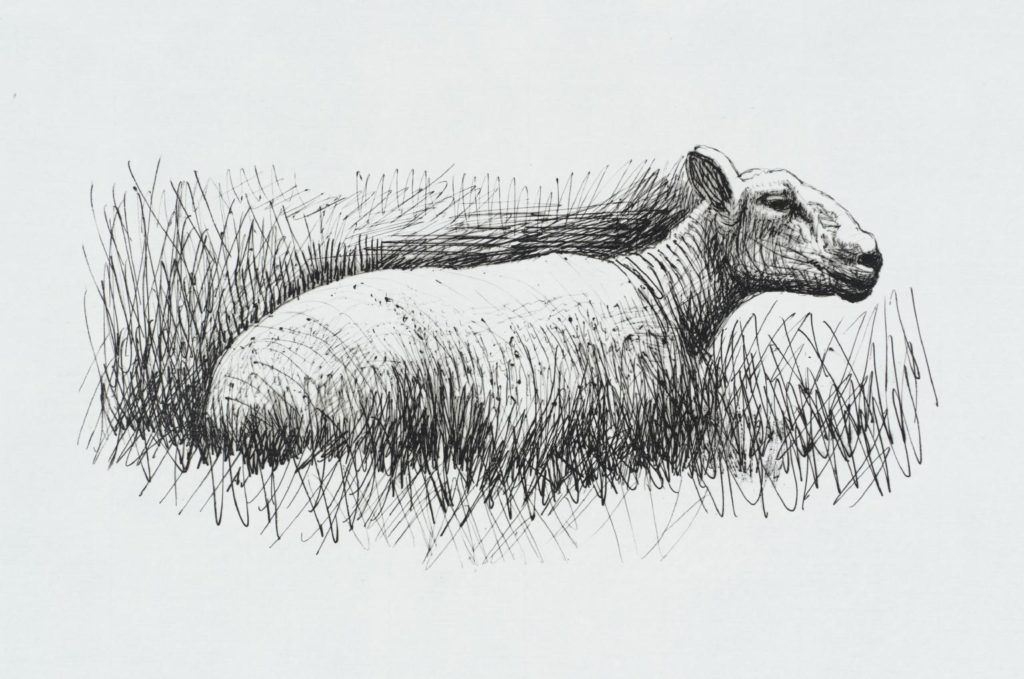
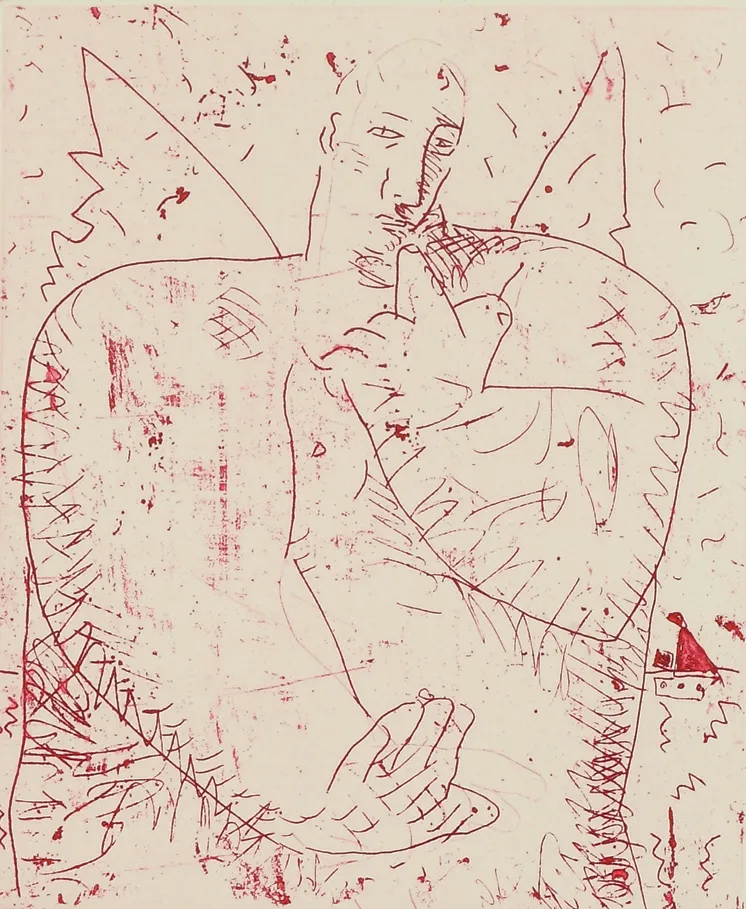
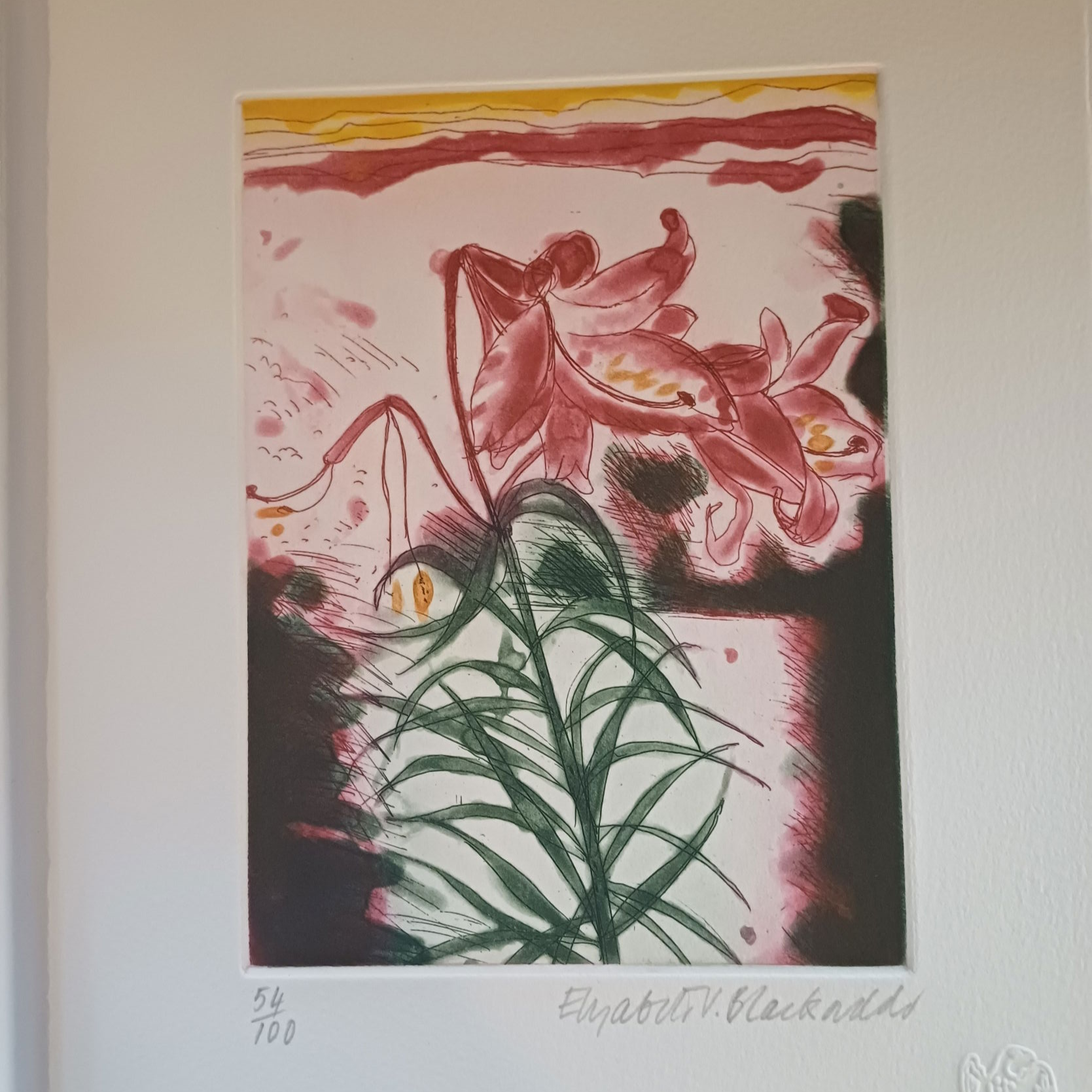
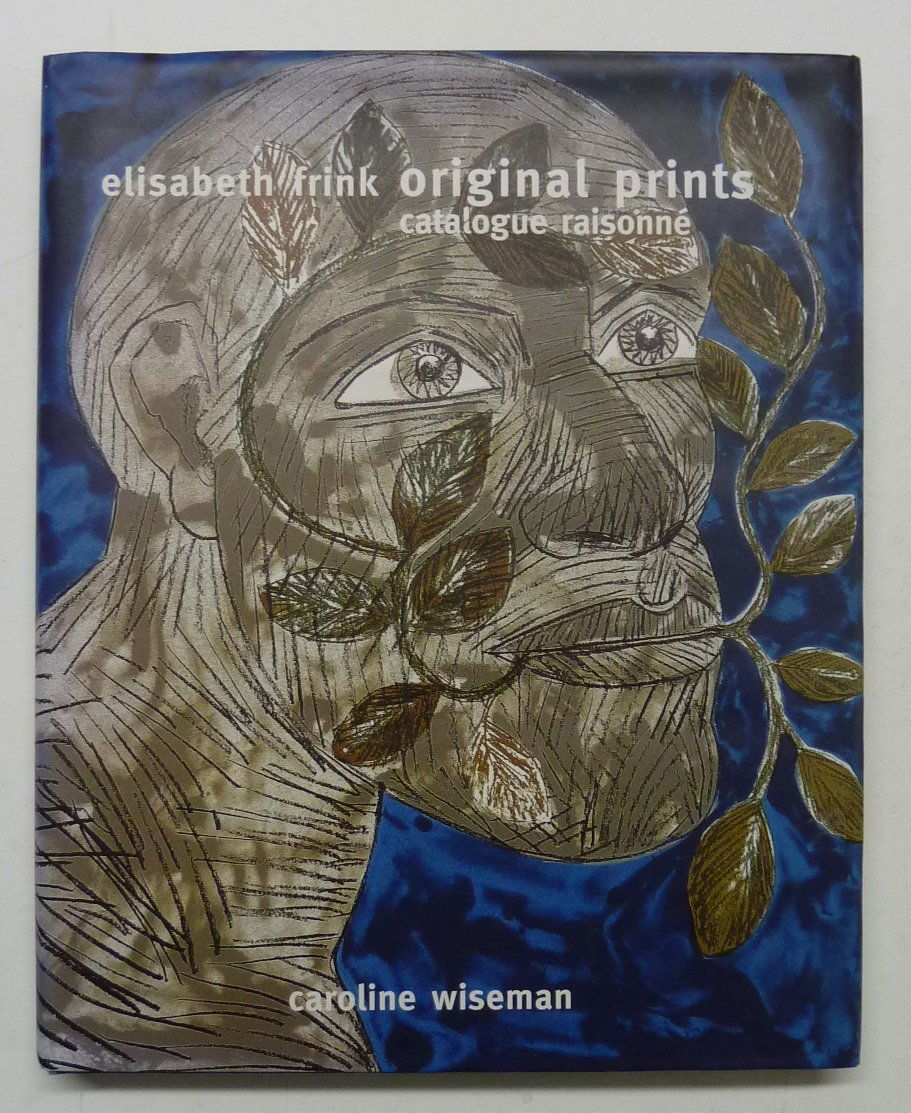
In 2025, the gallery presented the '3.5 Frinks in a Salon' exhibition, which consisted of four works by the celebrated English artist Dame Elisabeth Frink CH DBE RA (14 November 1930 – 18 April 1993). The four prints are representative of her four constant themes: the nature of Man; the 'horseness' of horses; the divine in human form, and her abiding fascination with birds of prey.
See 'Videos' tab for more details.
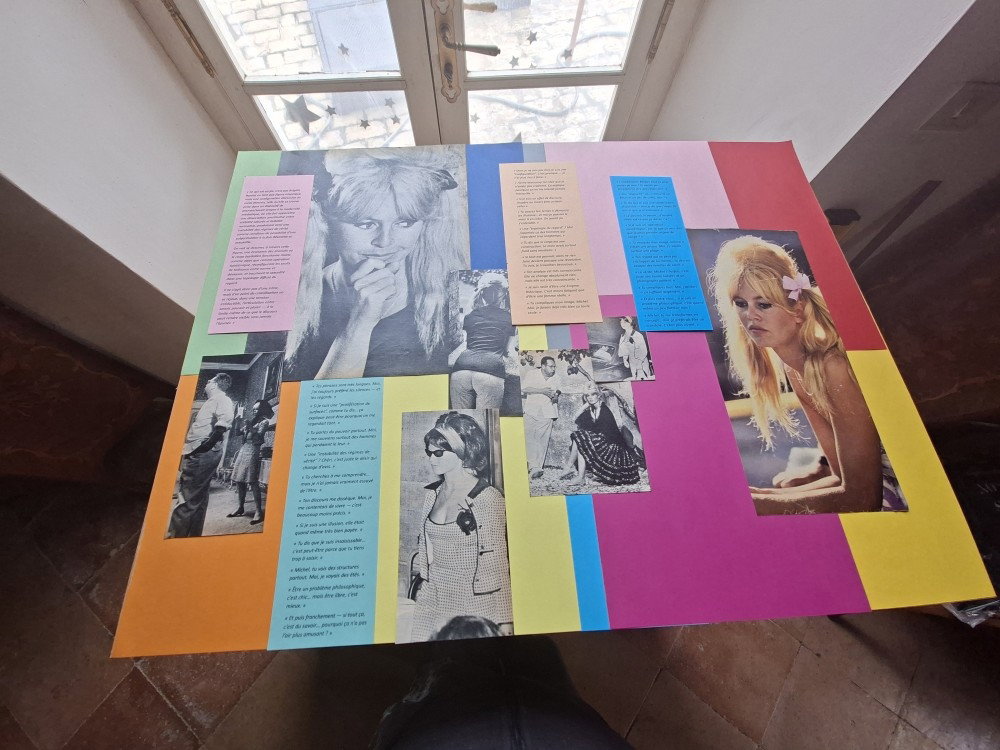
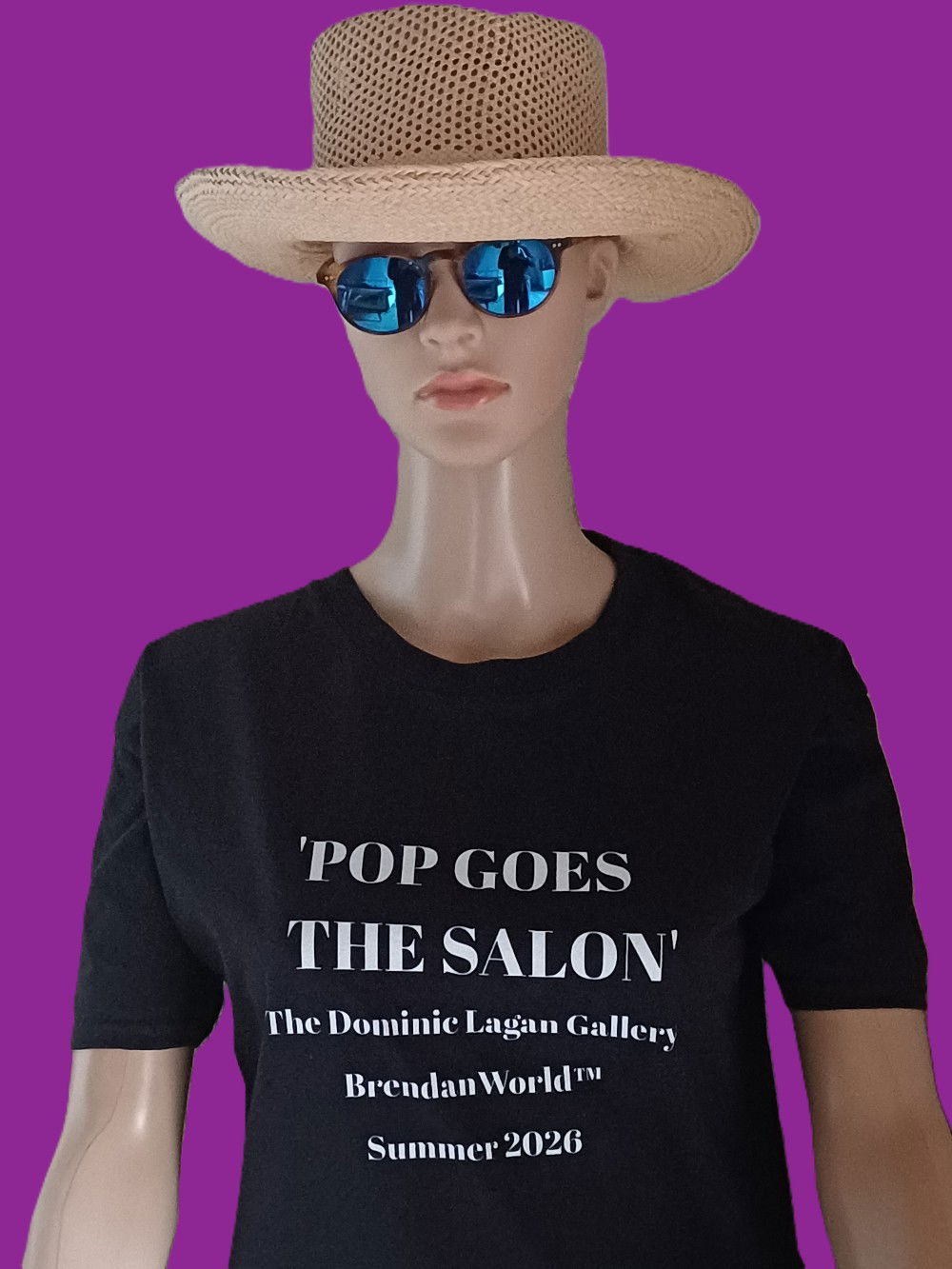
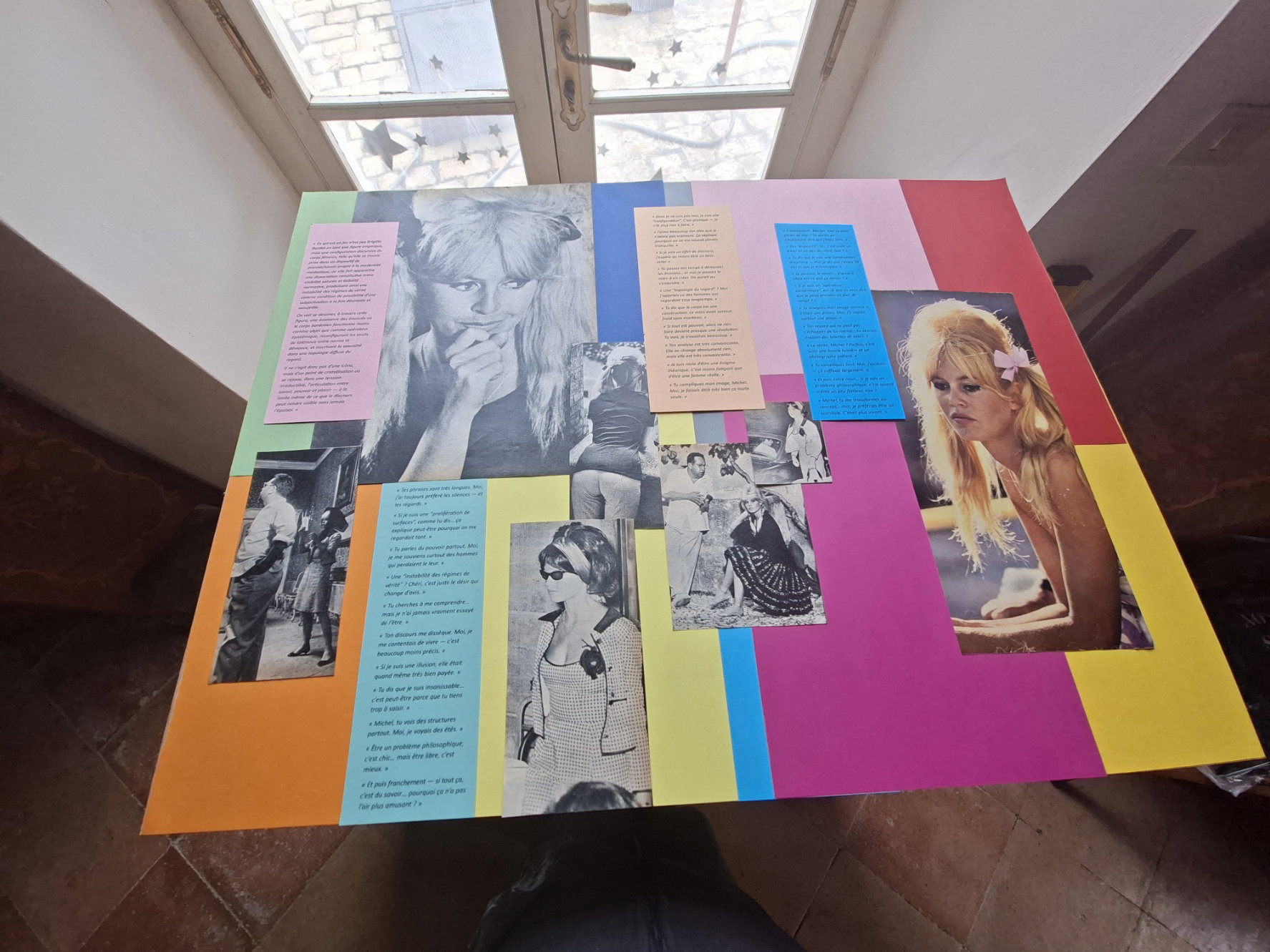
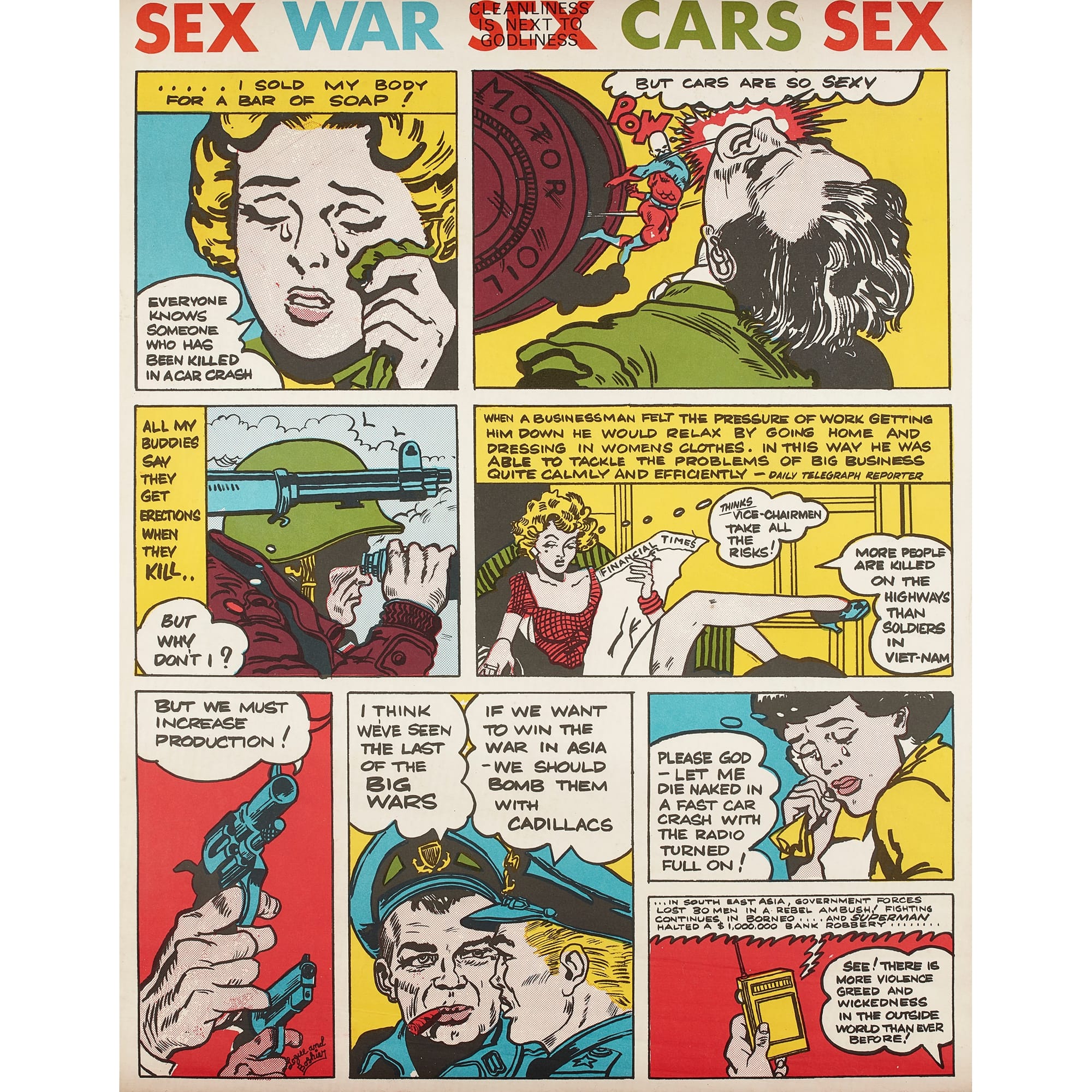
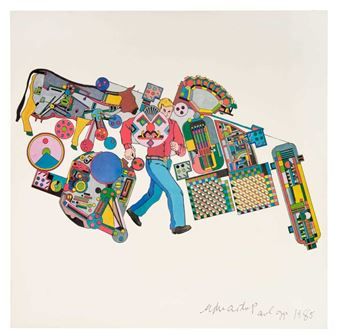
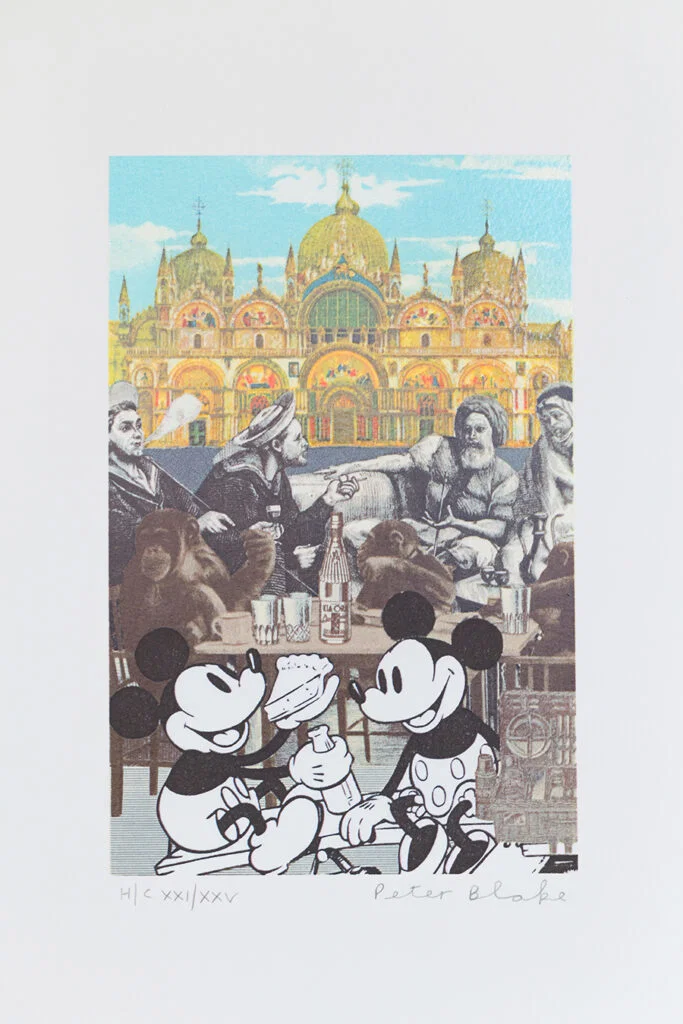
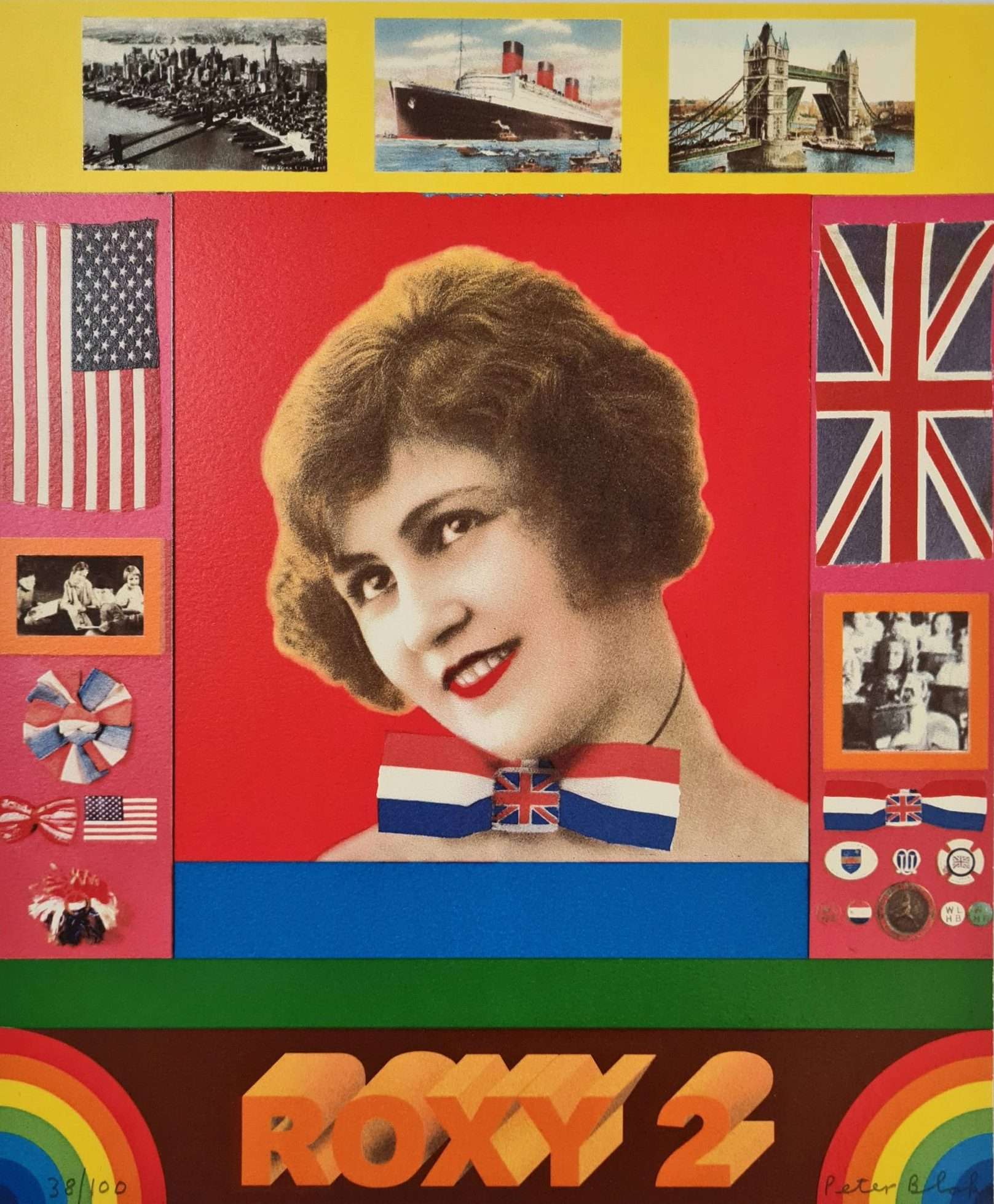
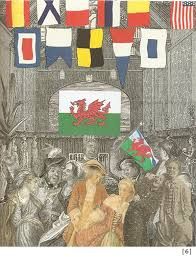
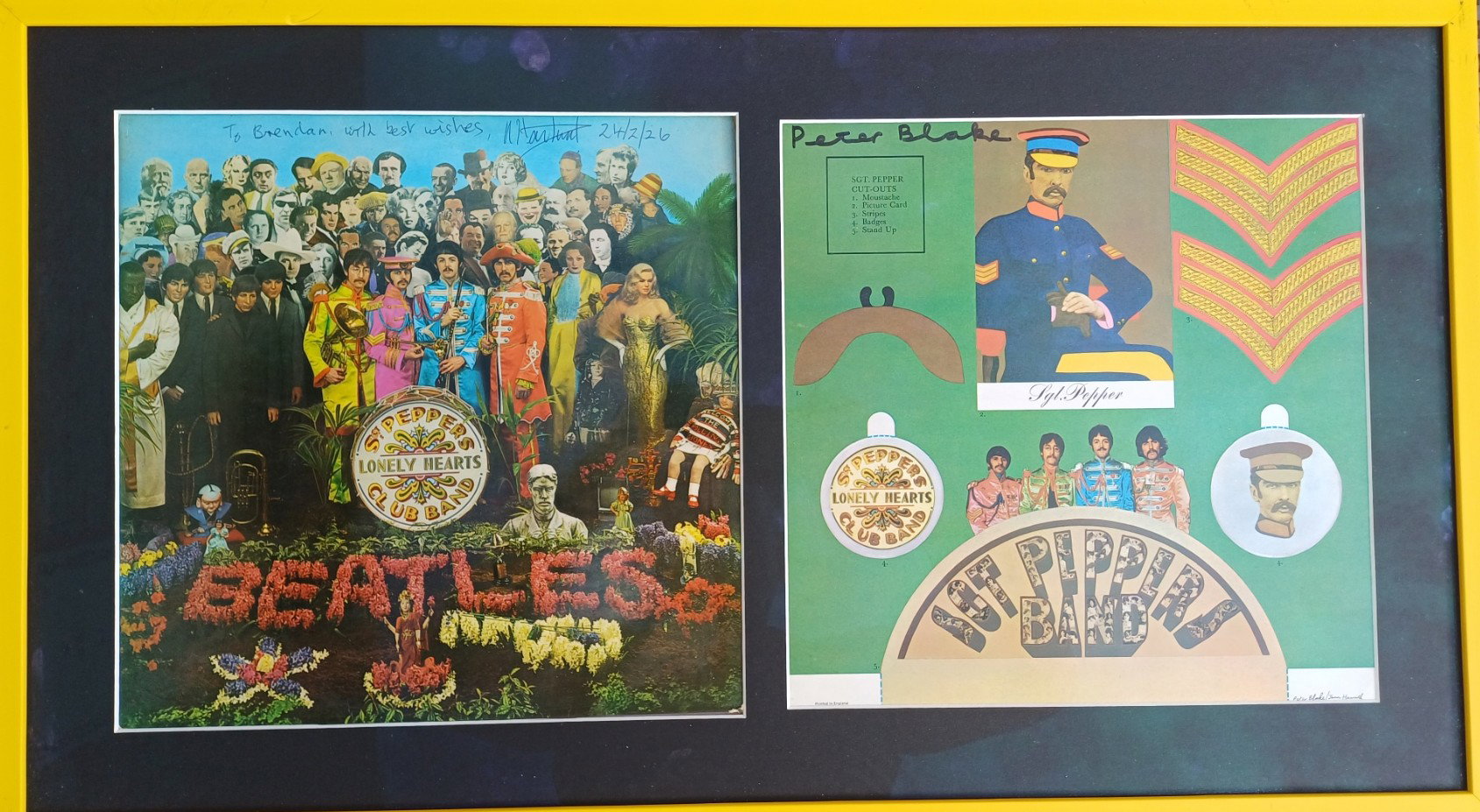
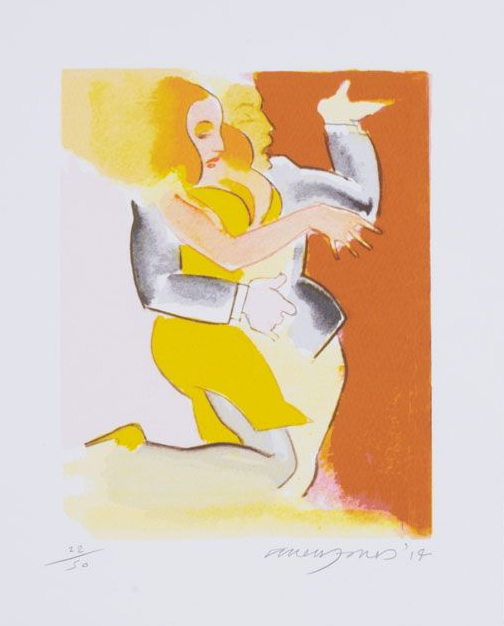
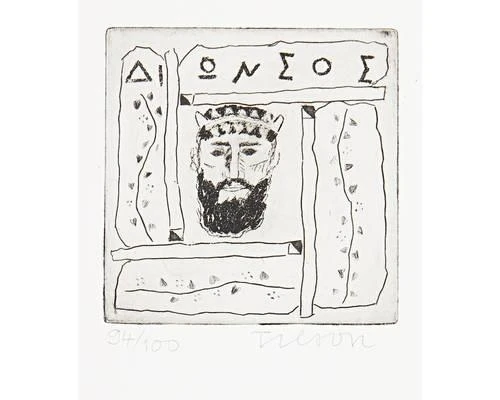
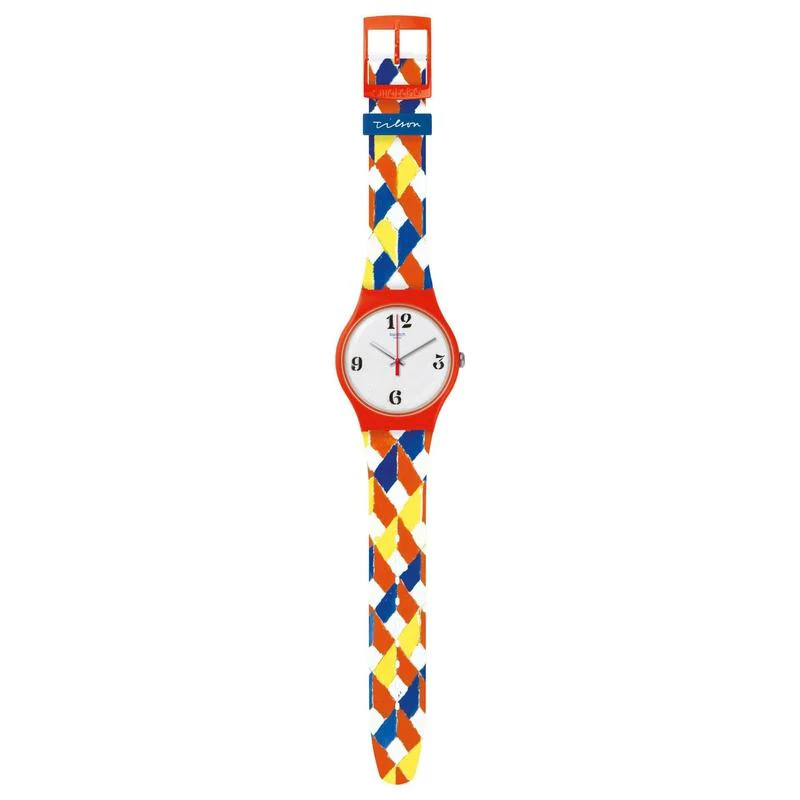
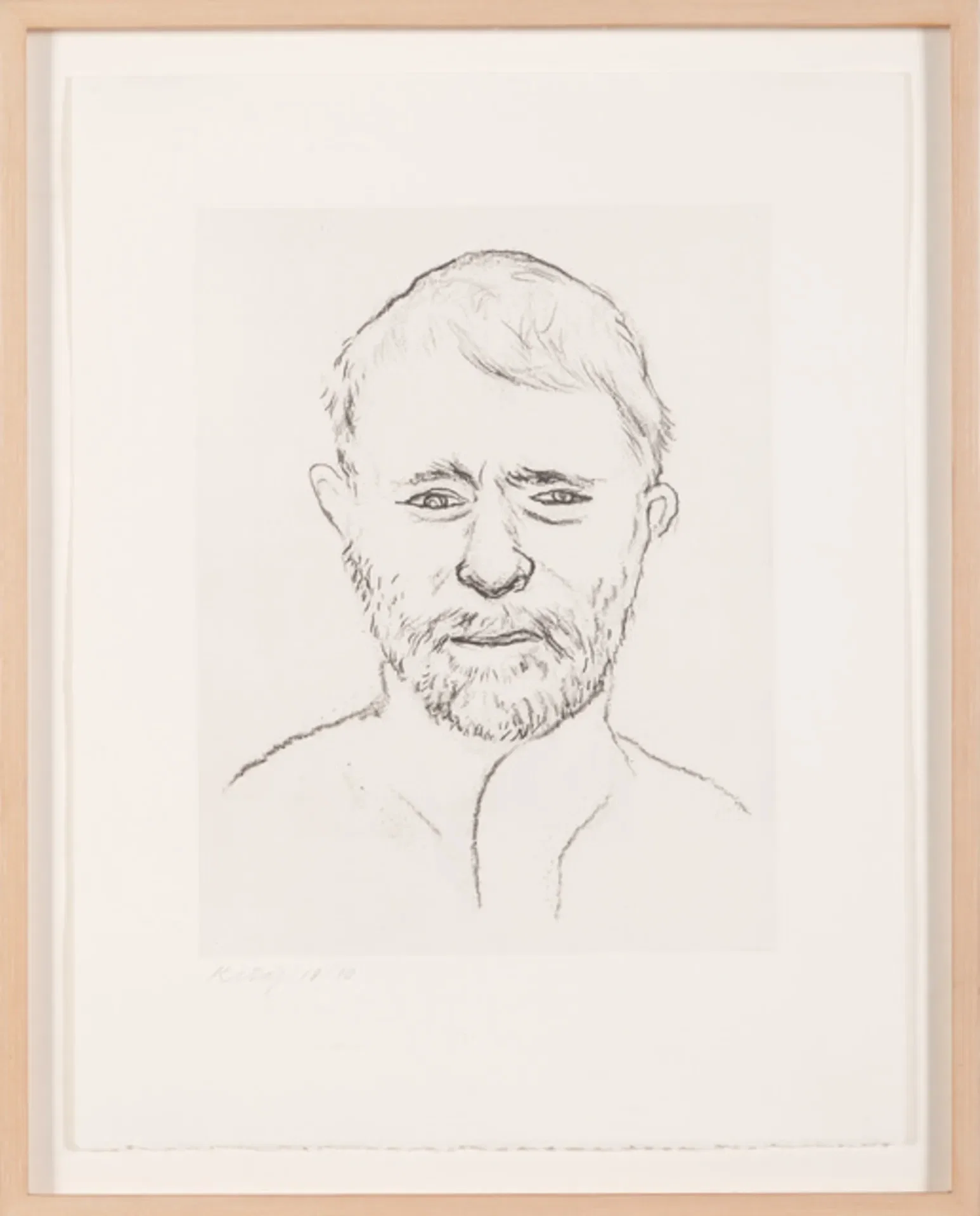
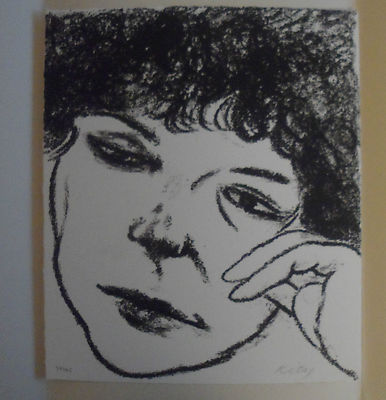
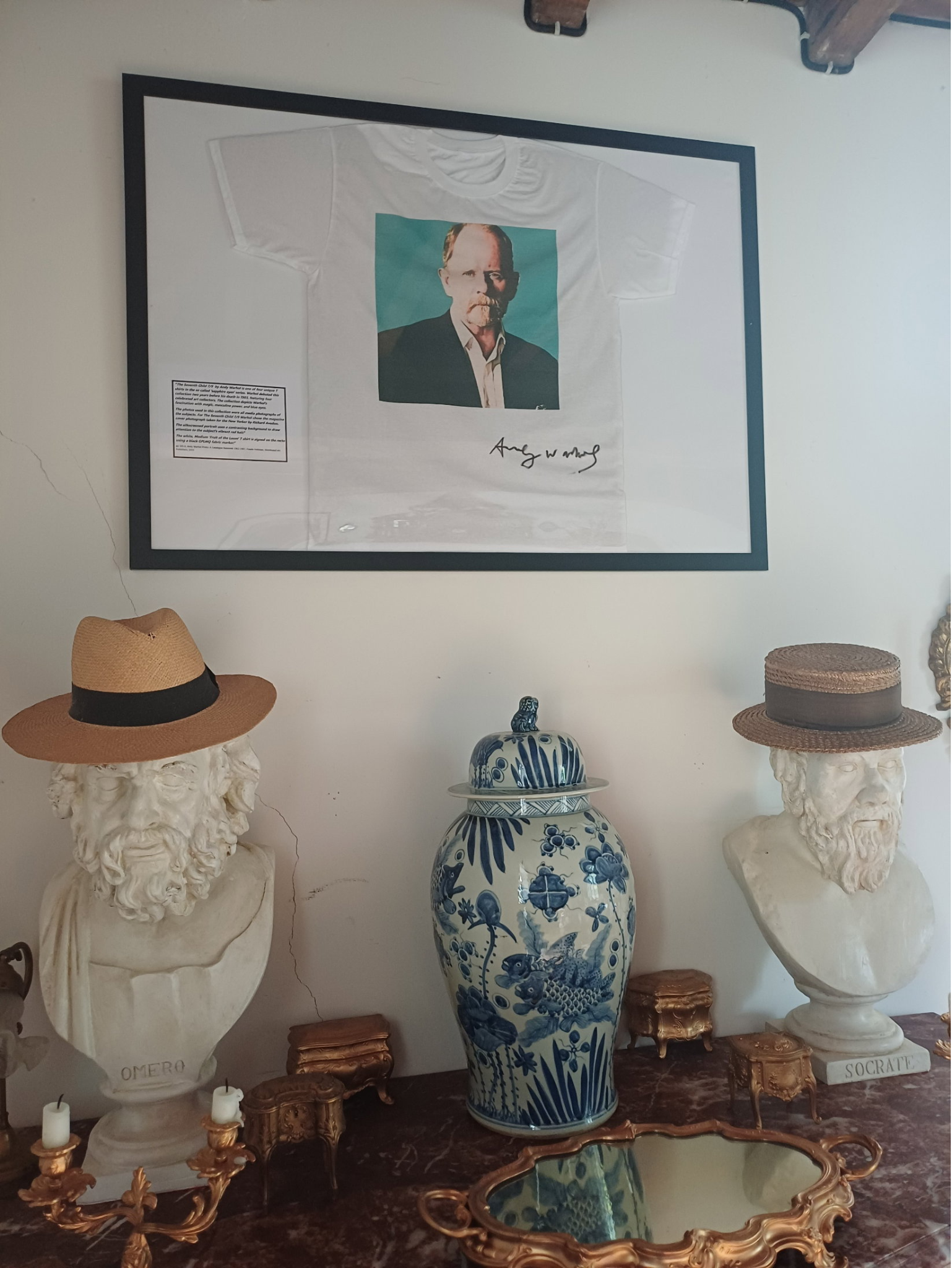
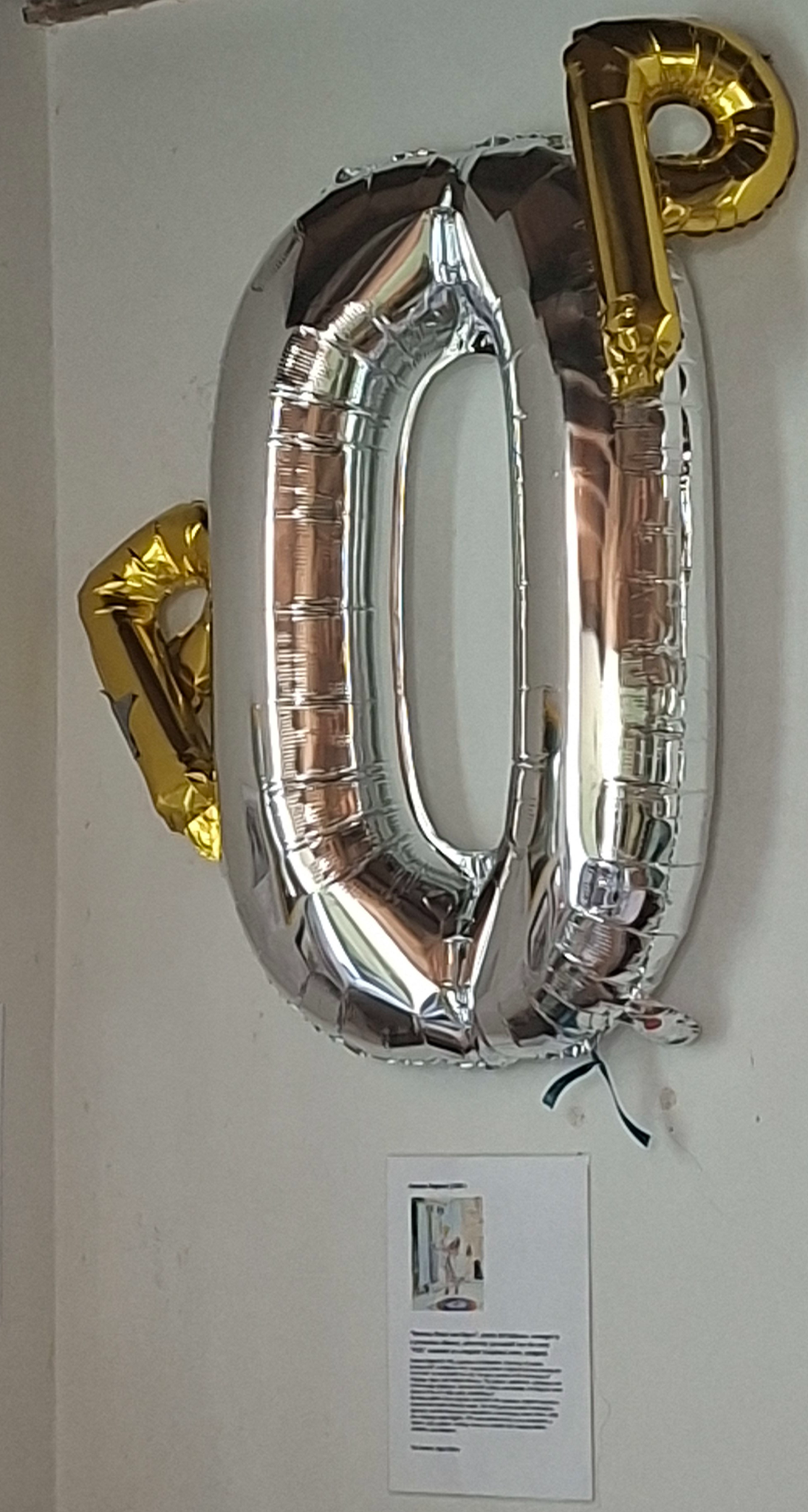
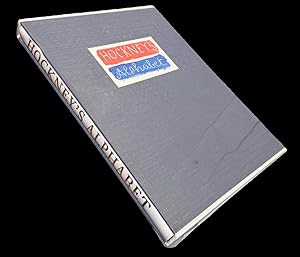
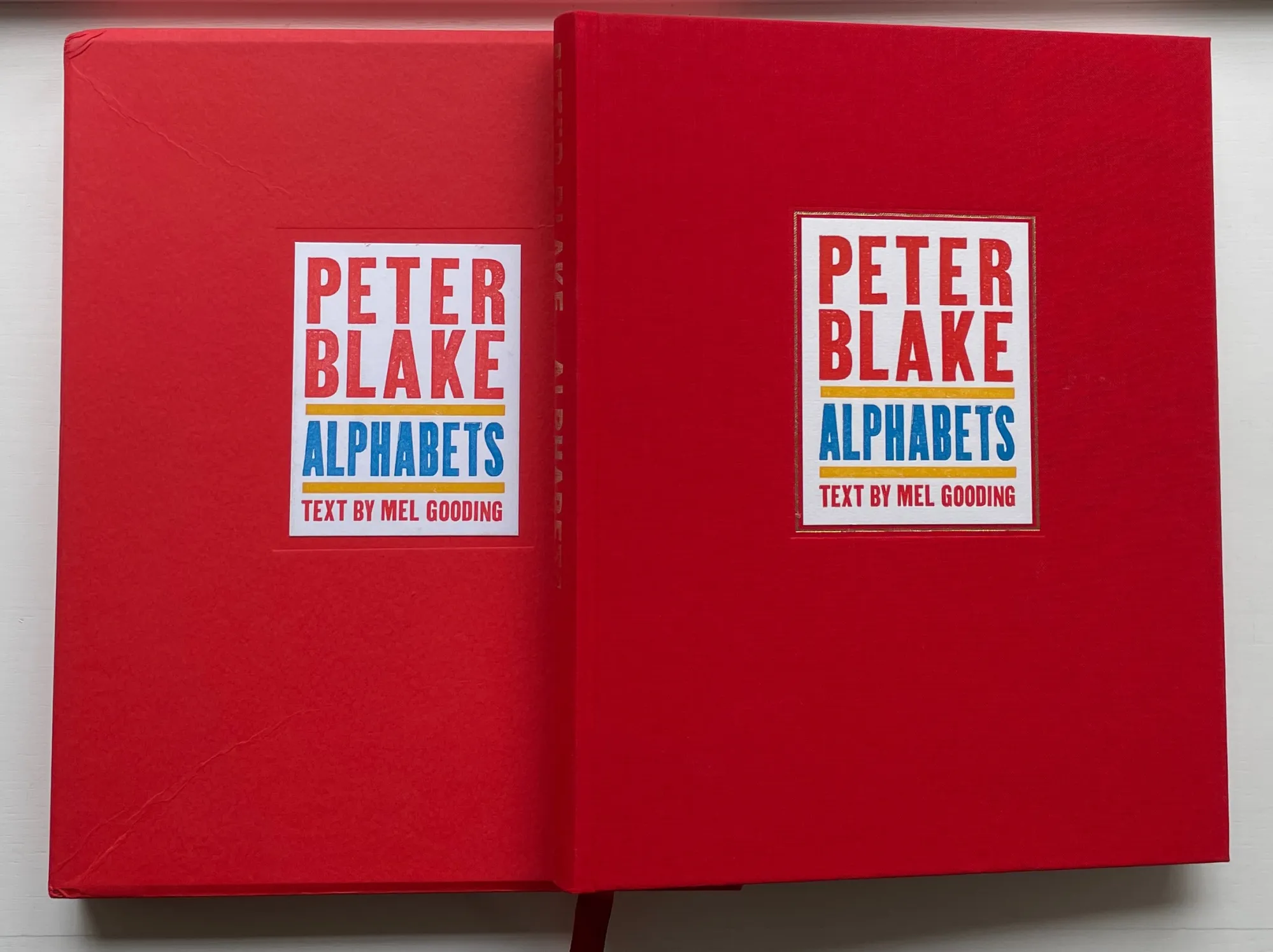
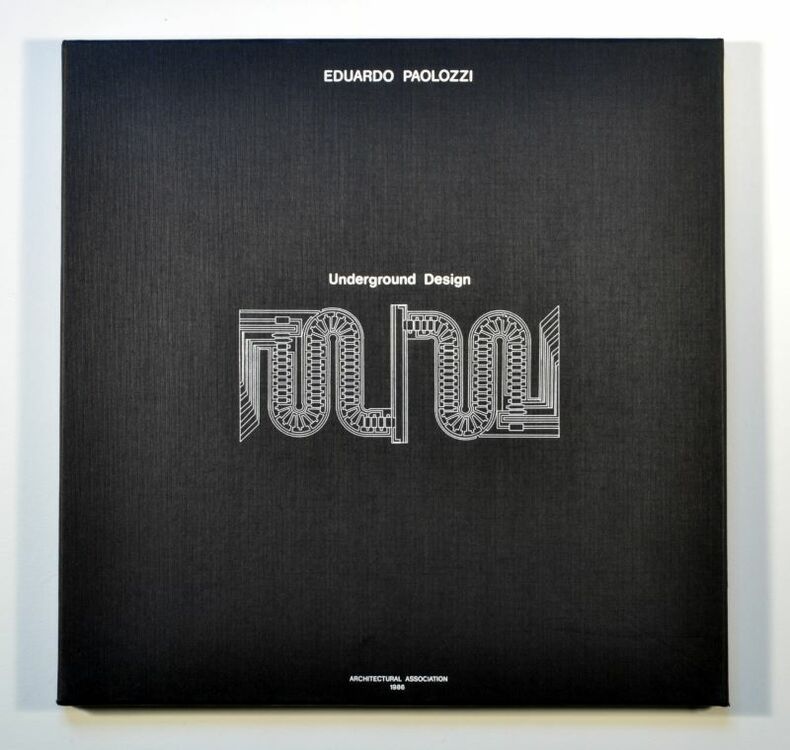
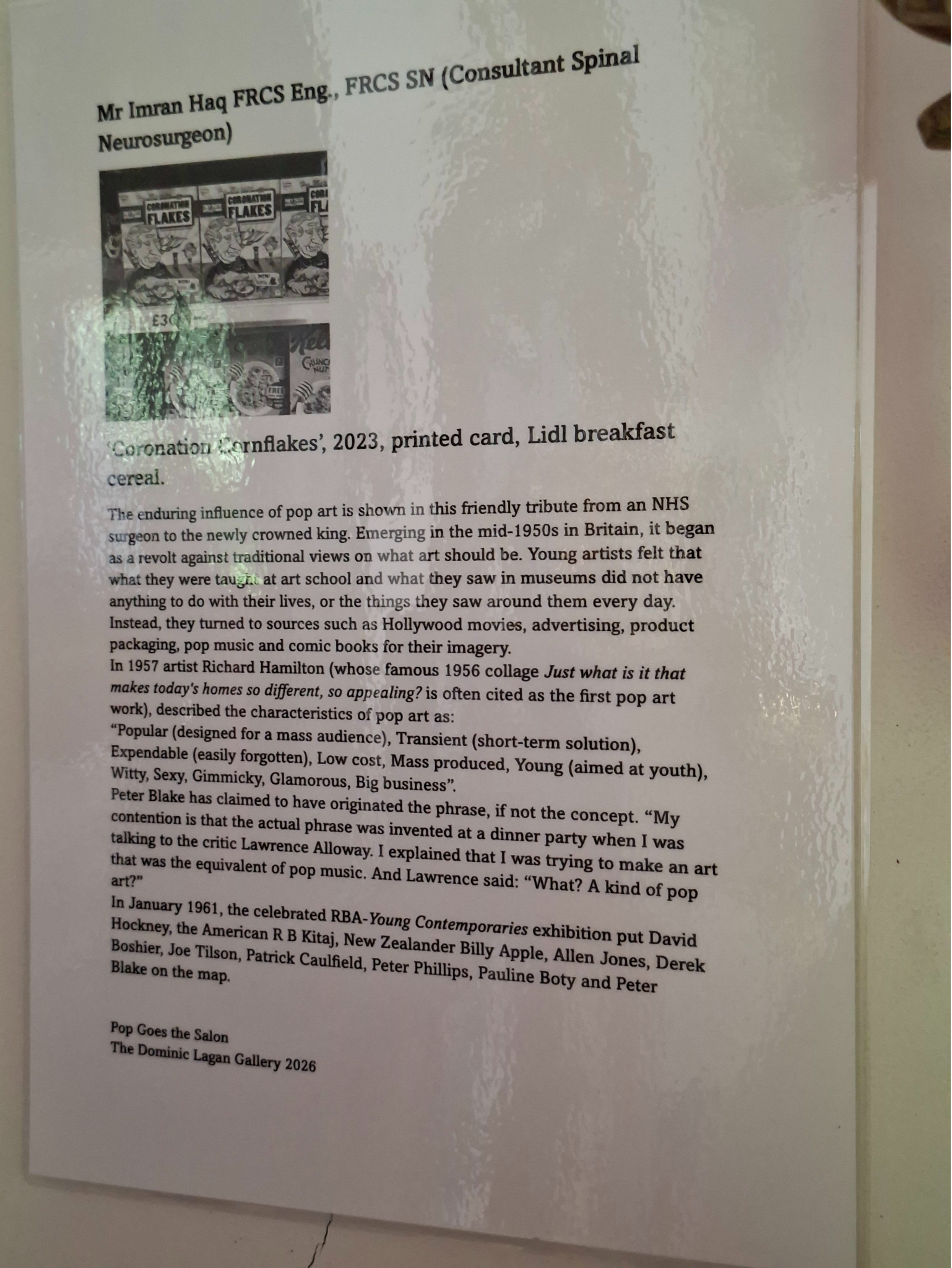
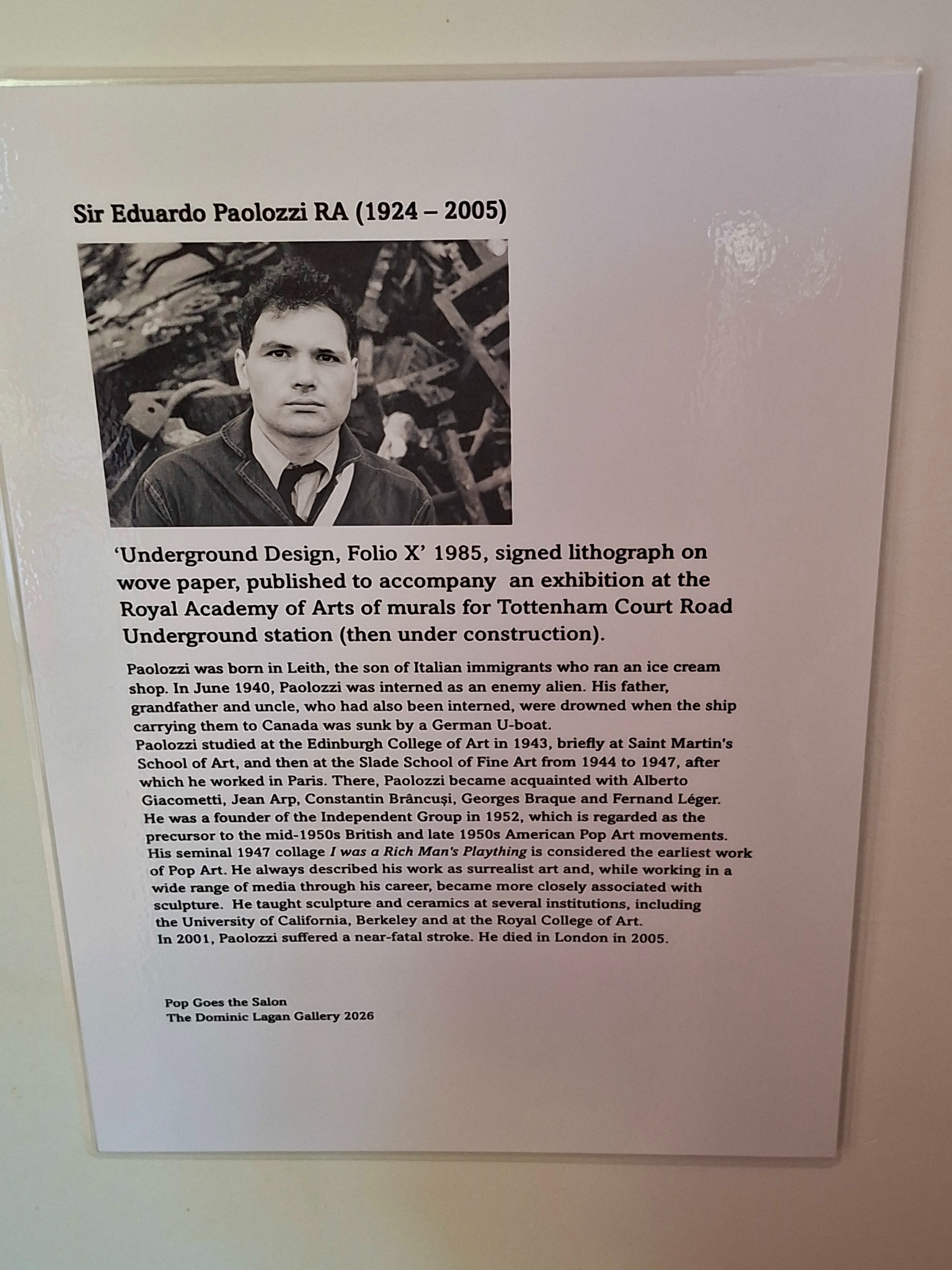
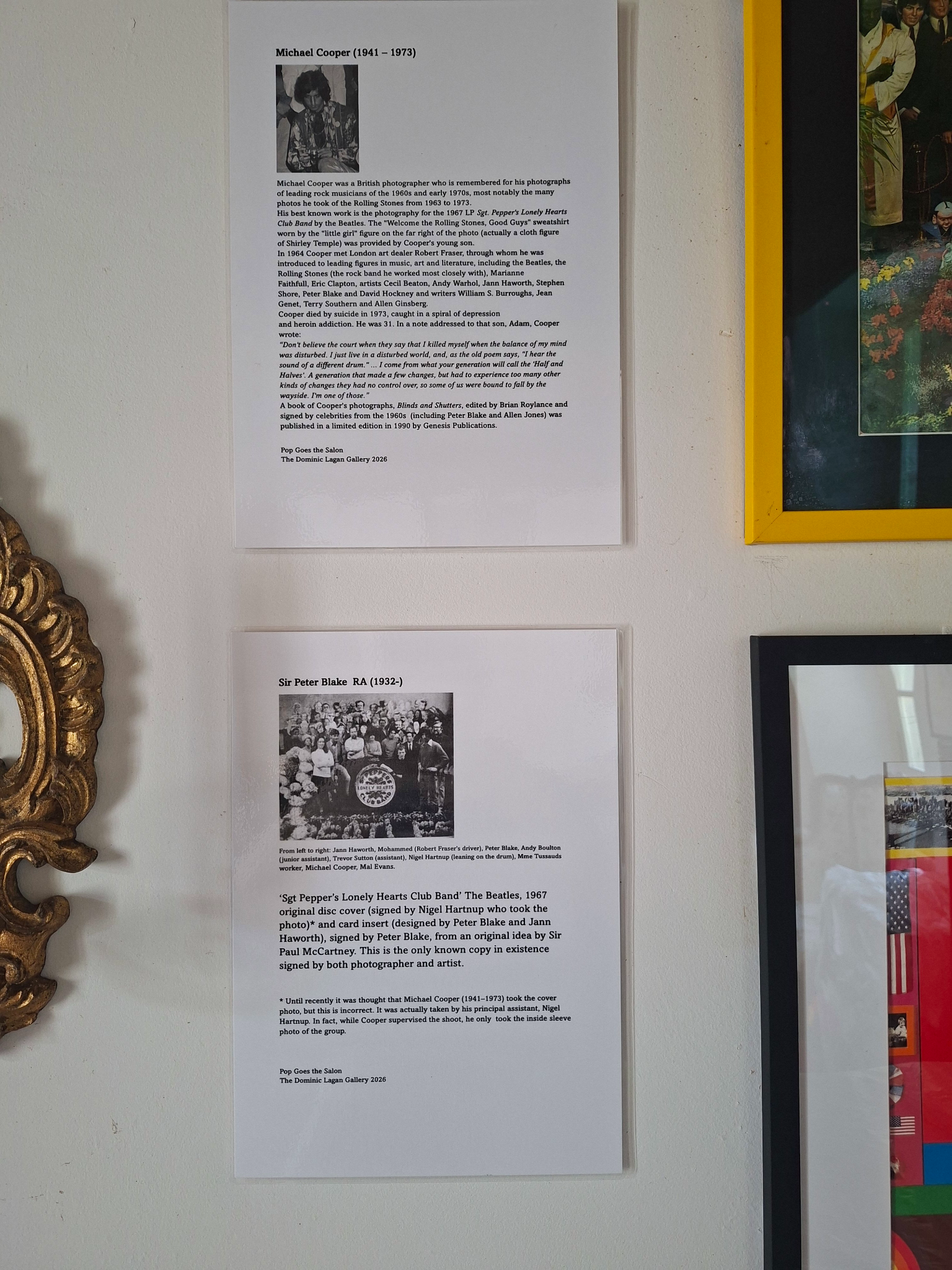
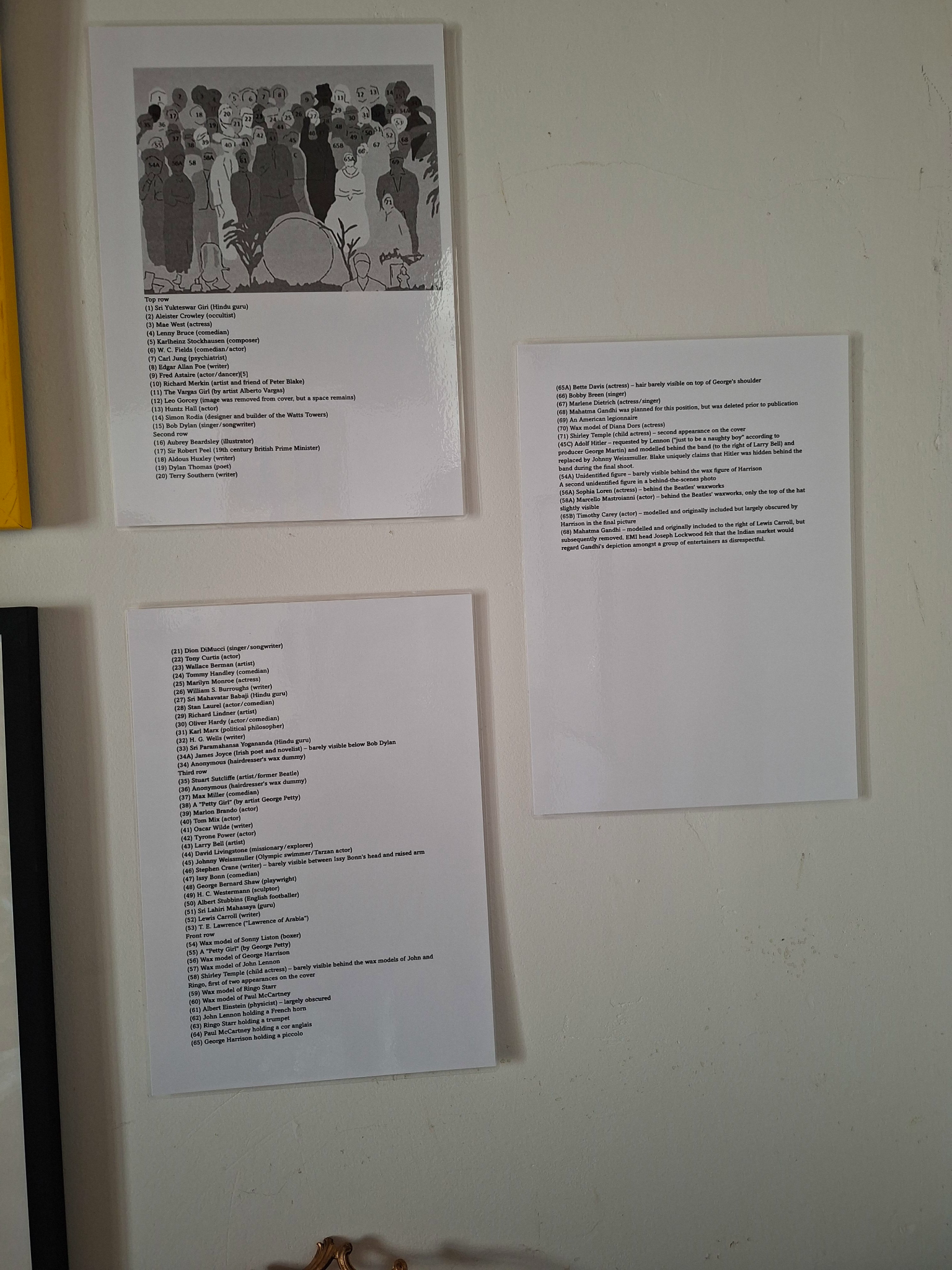
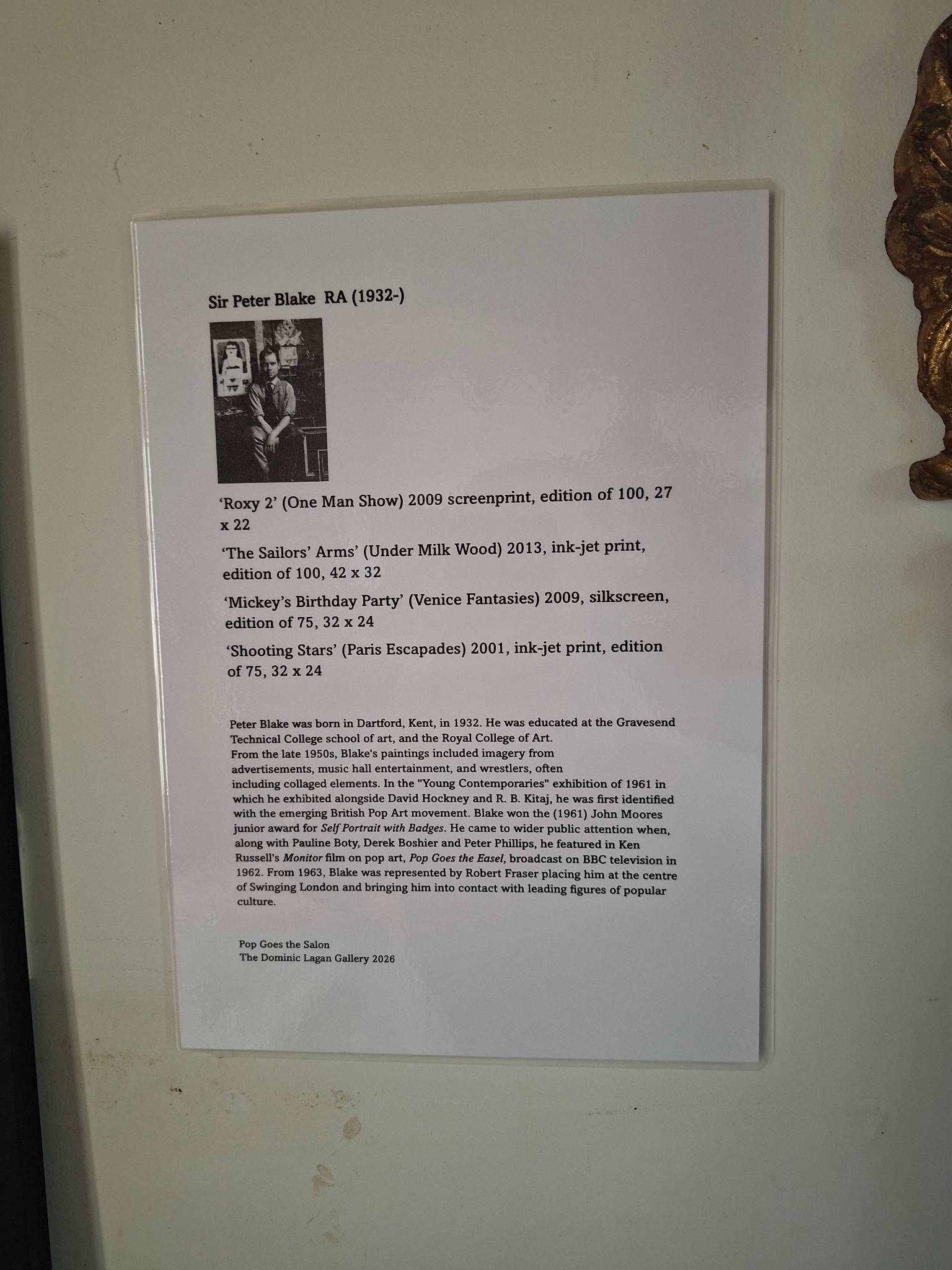
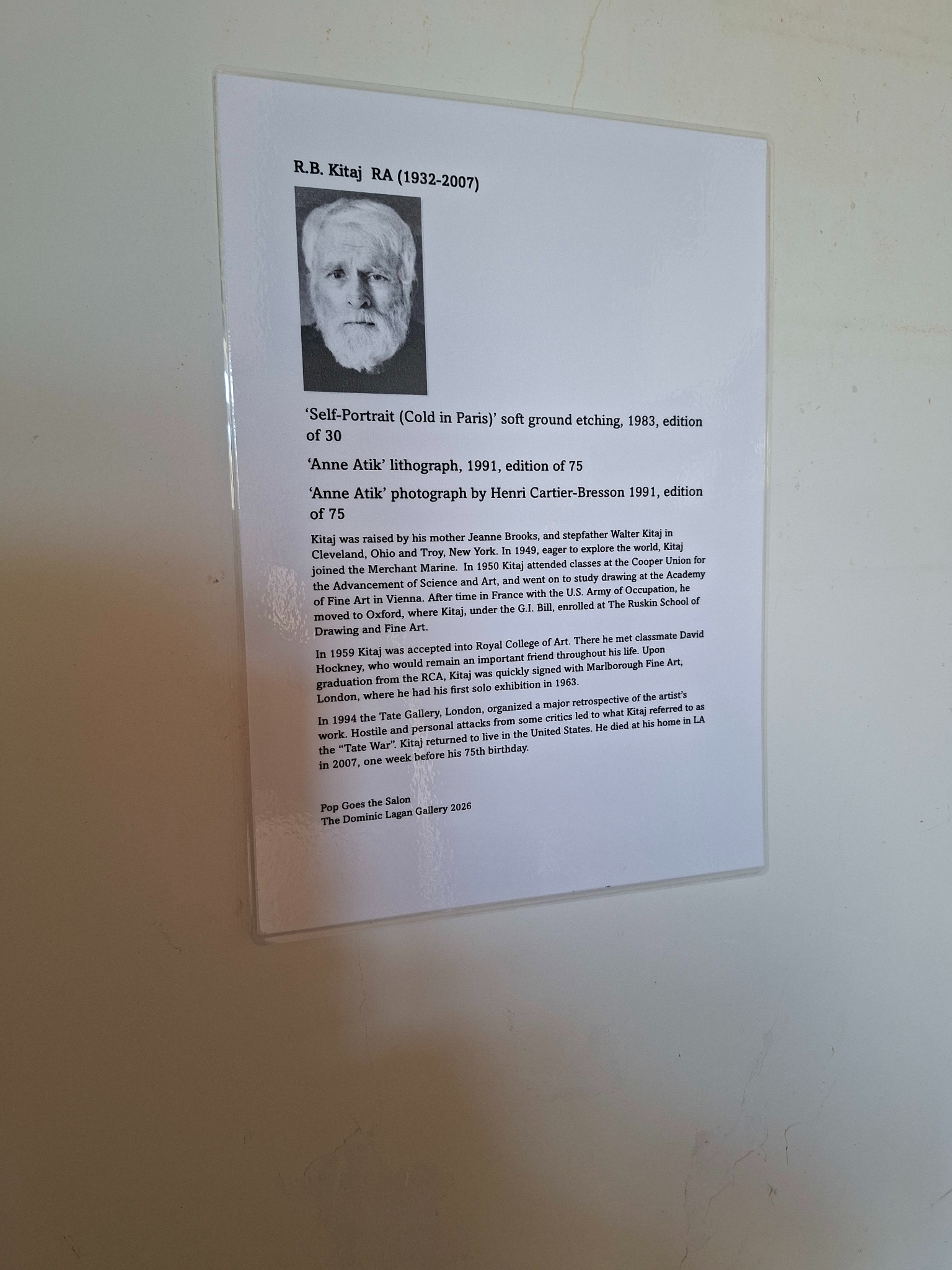
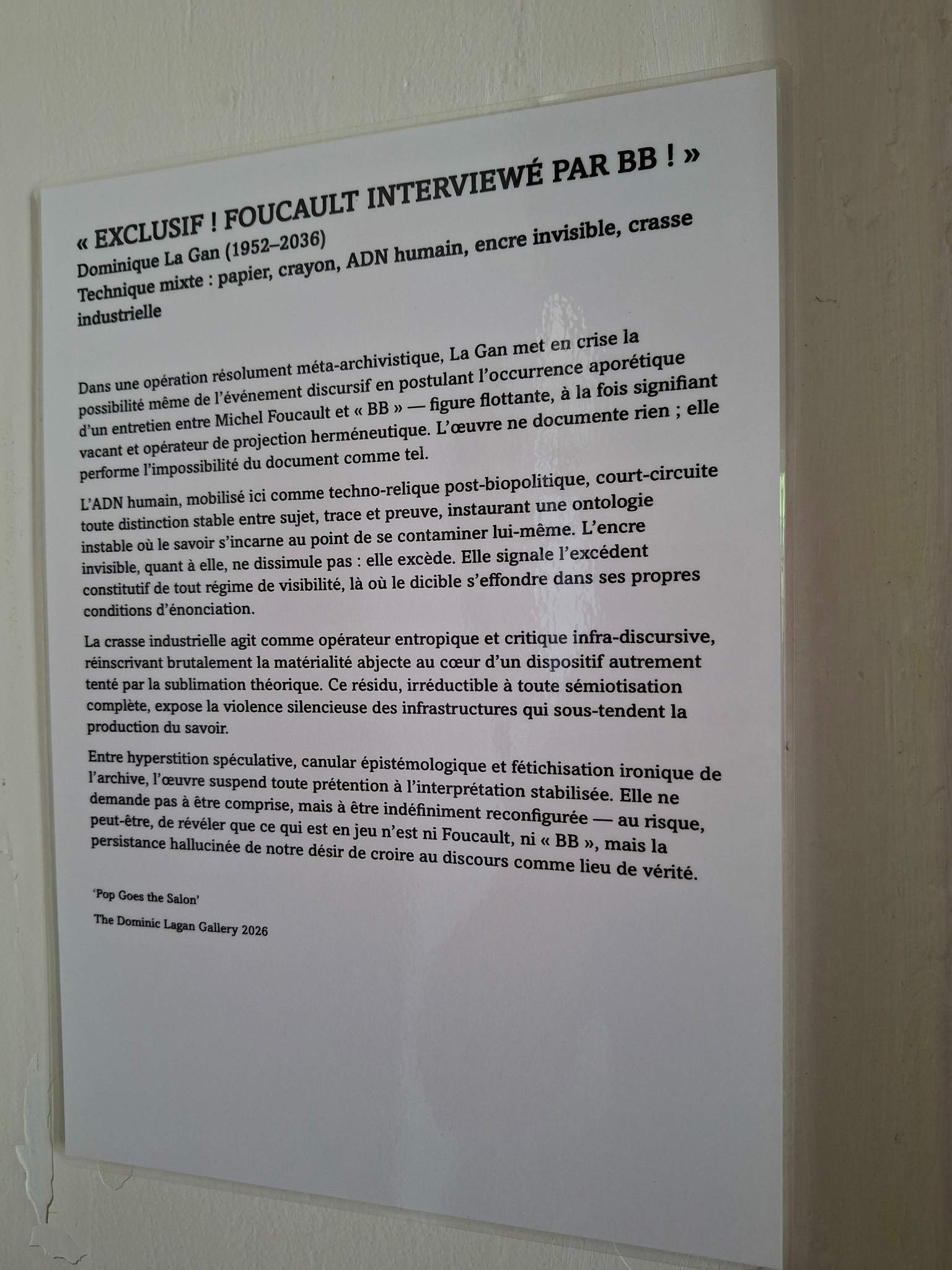
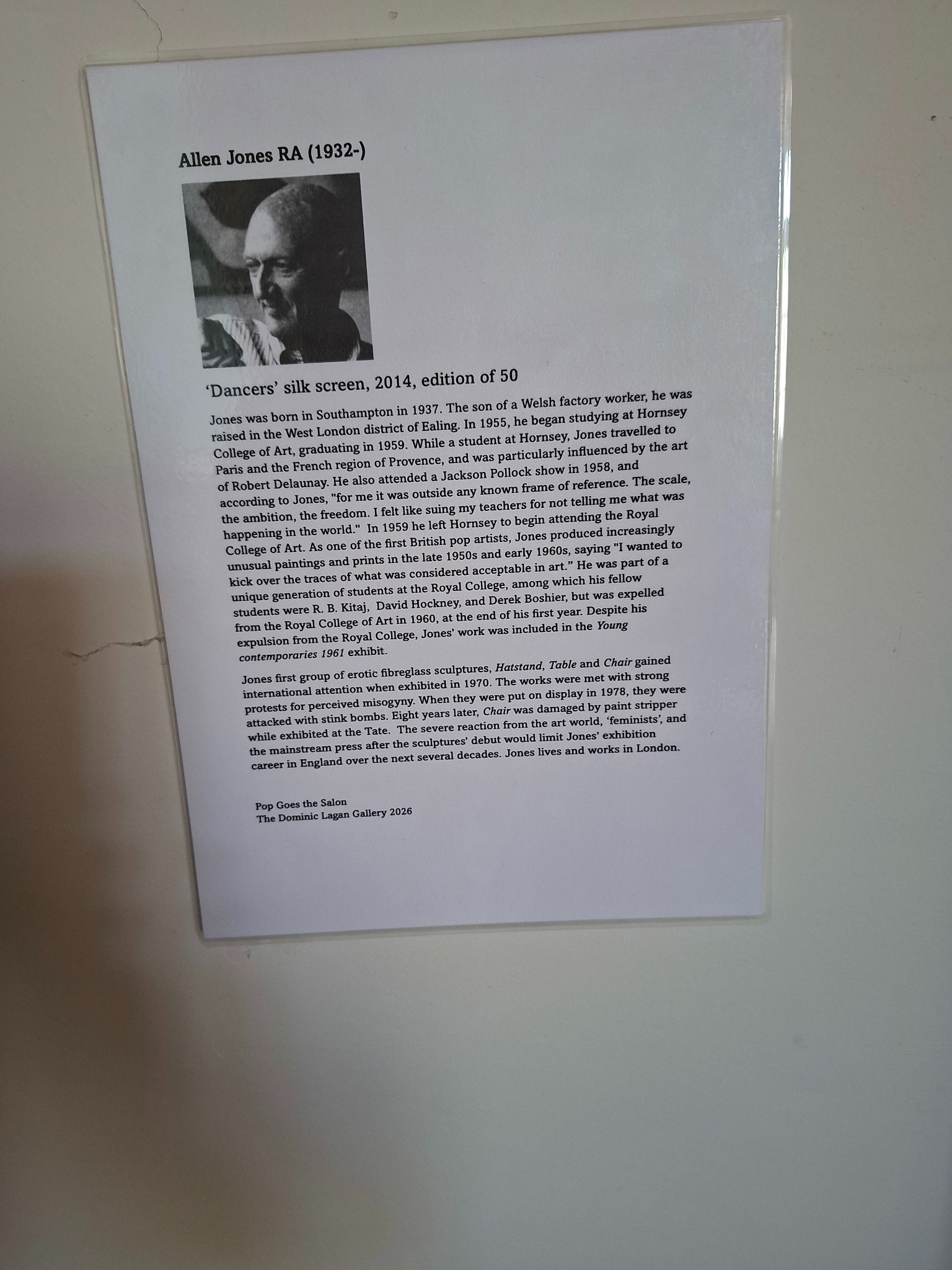
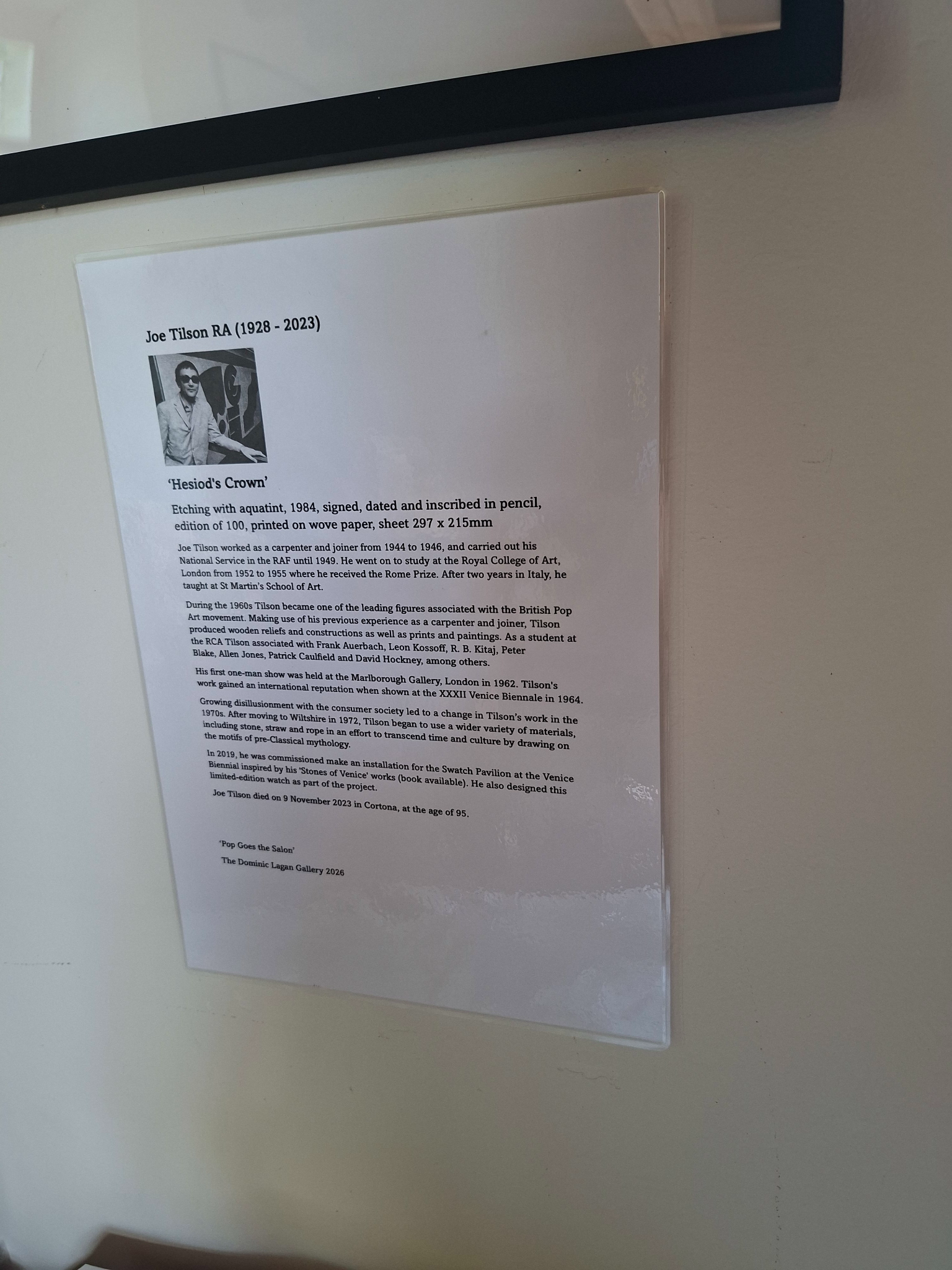
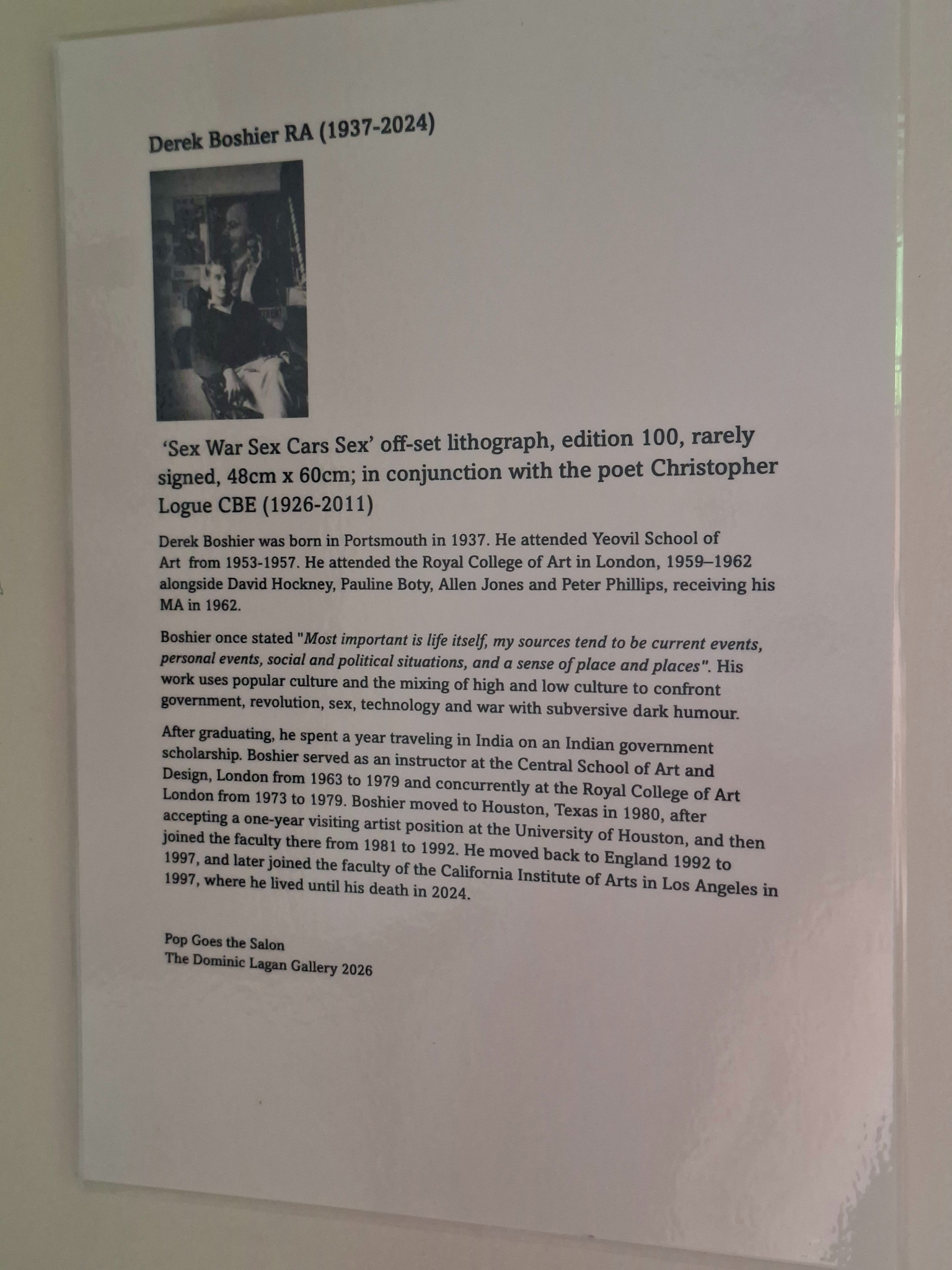
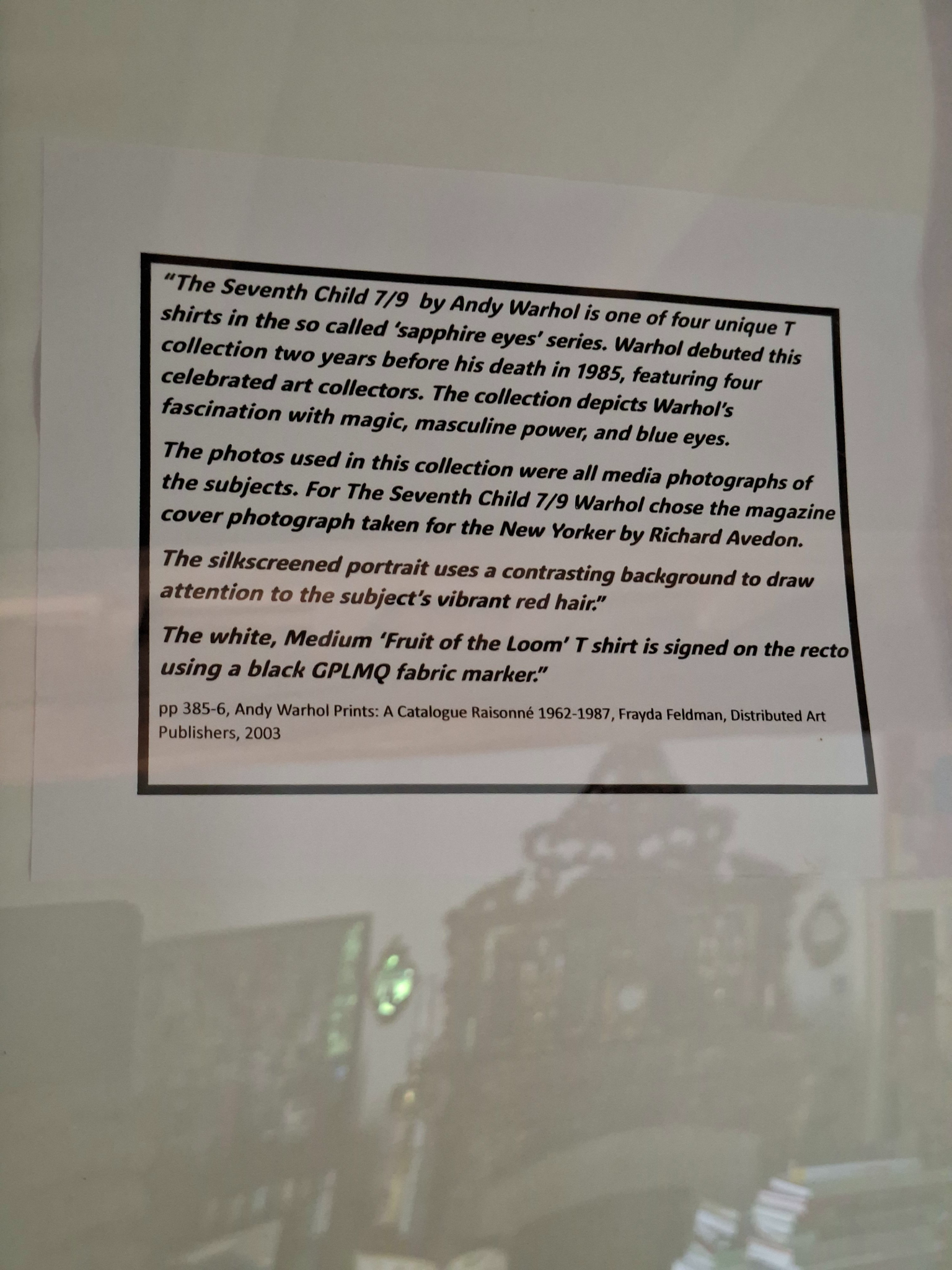
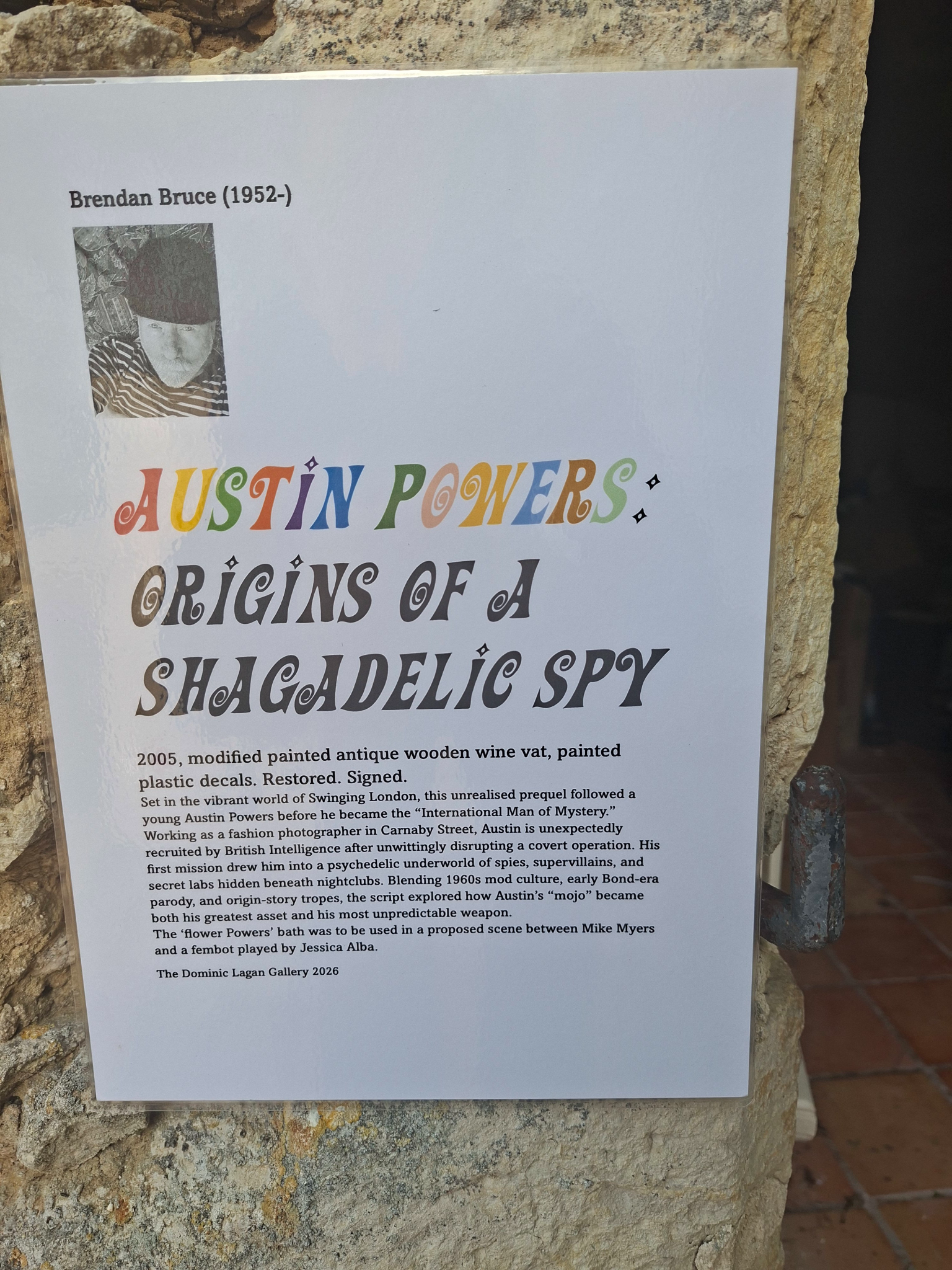
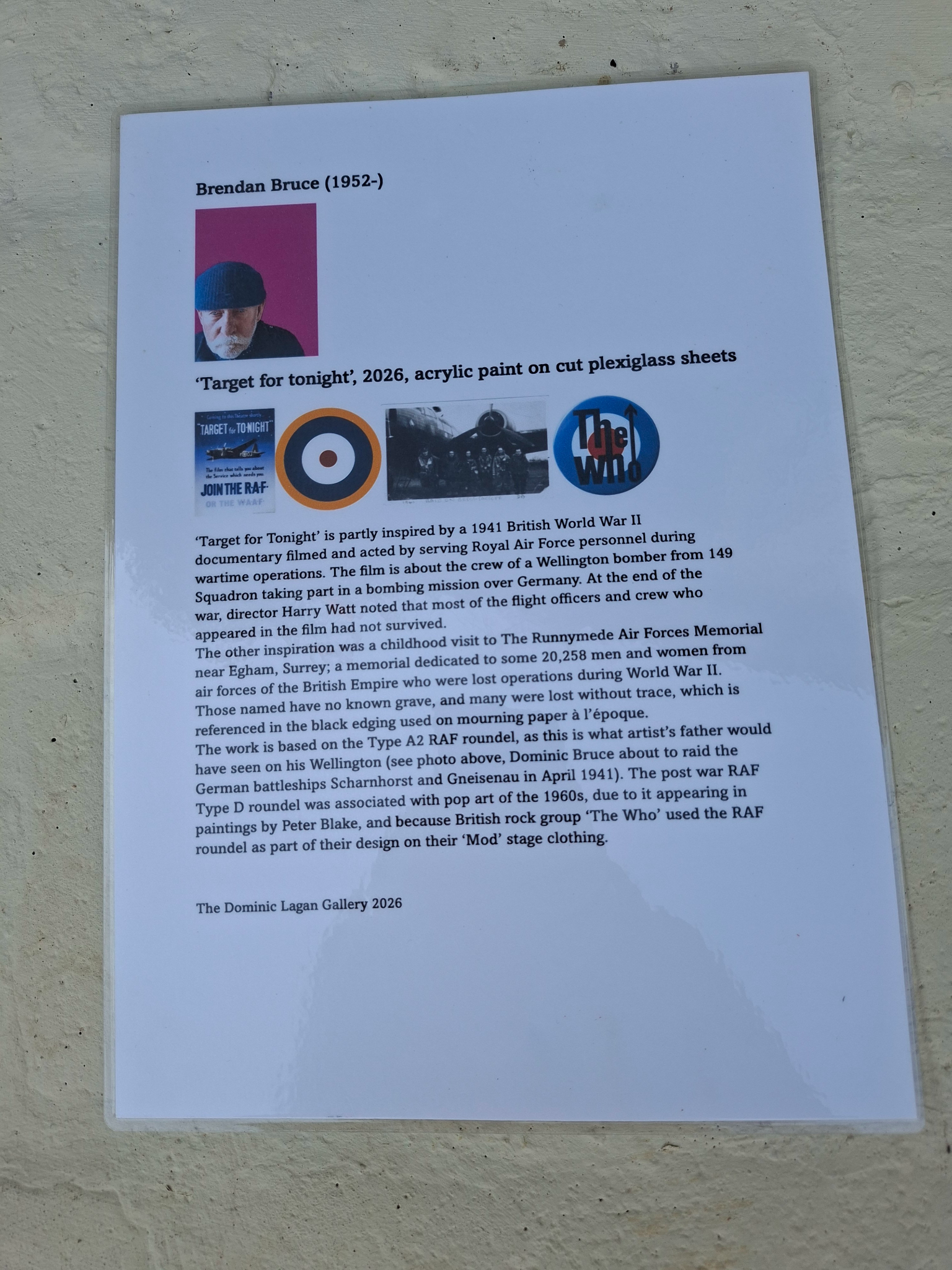
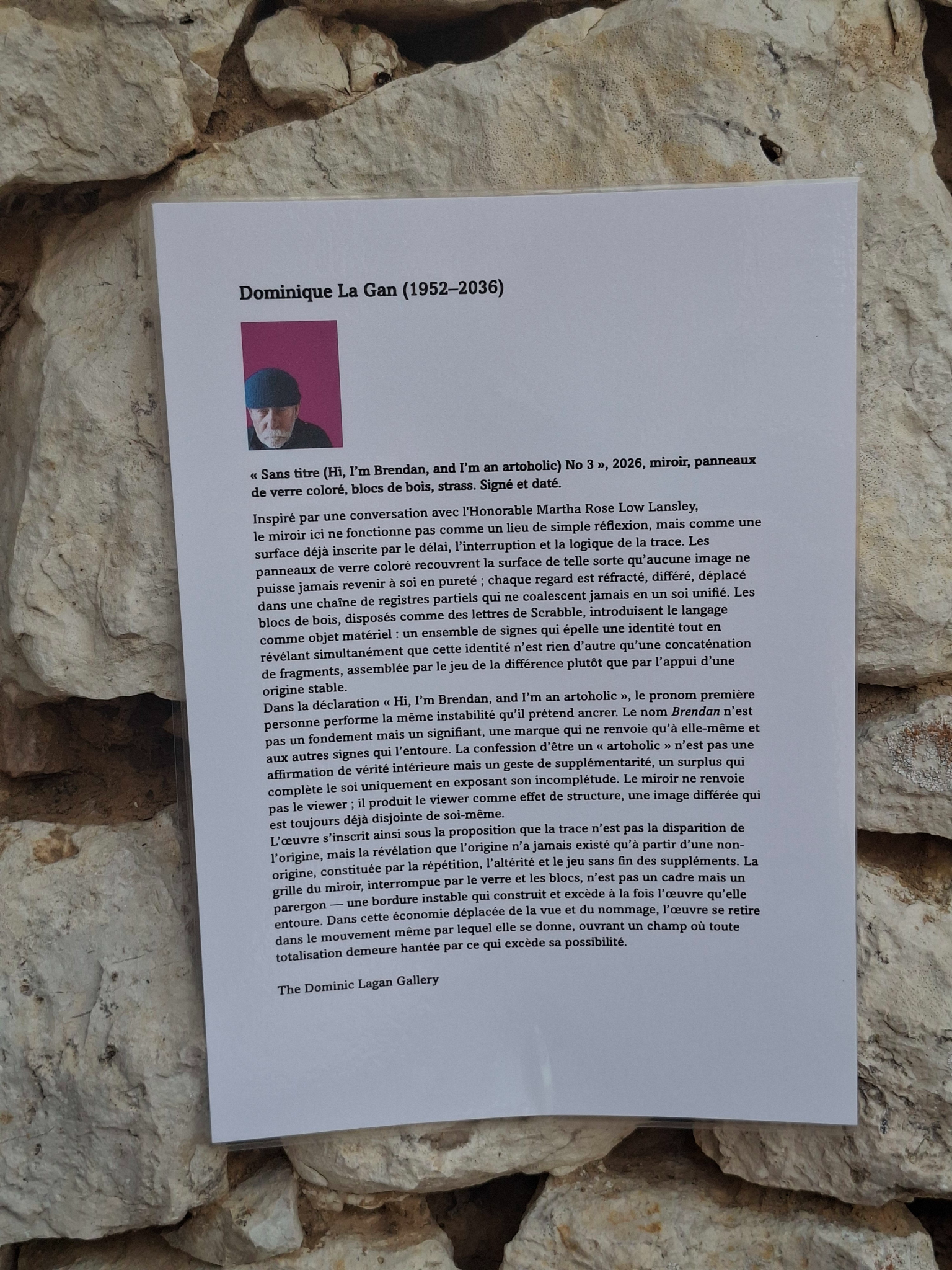
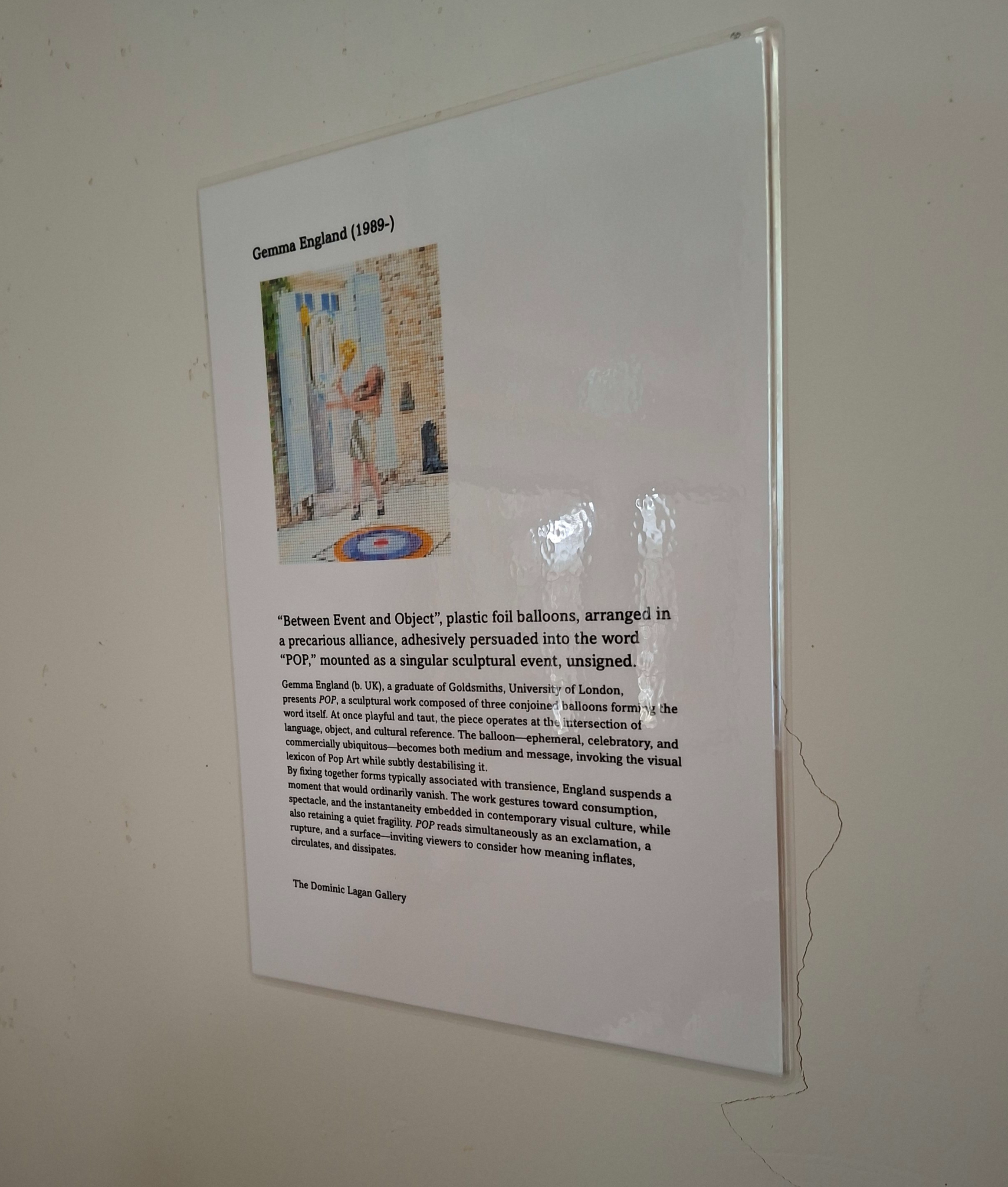
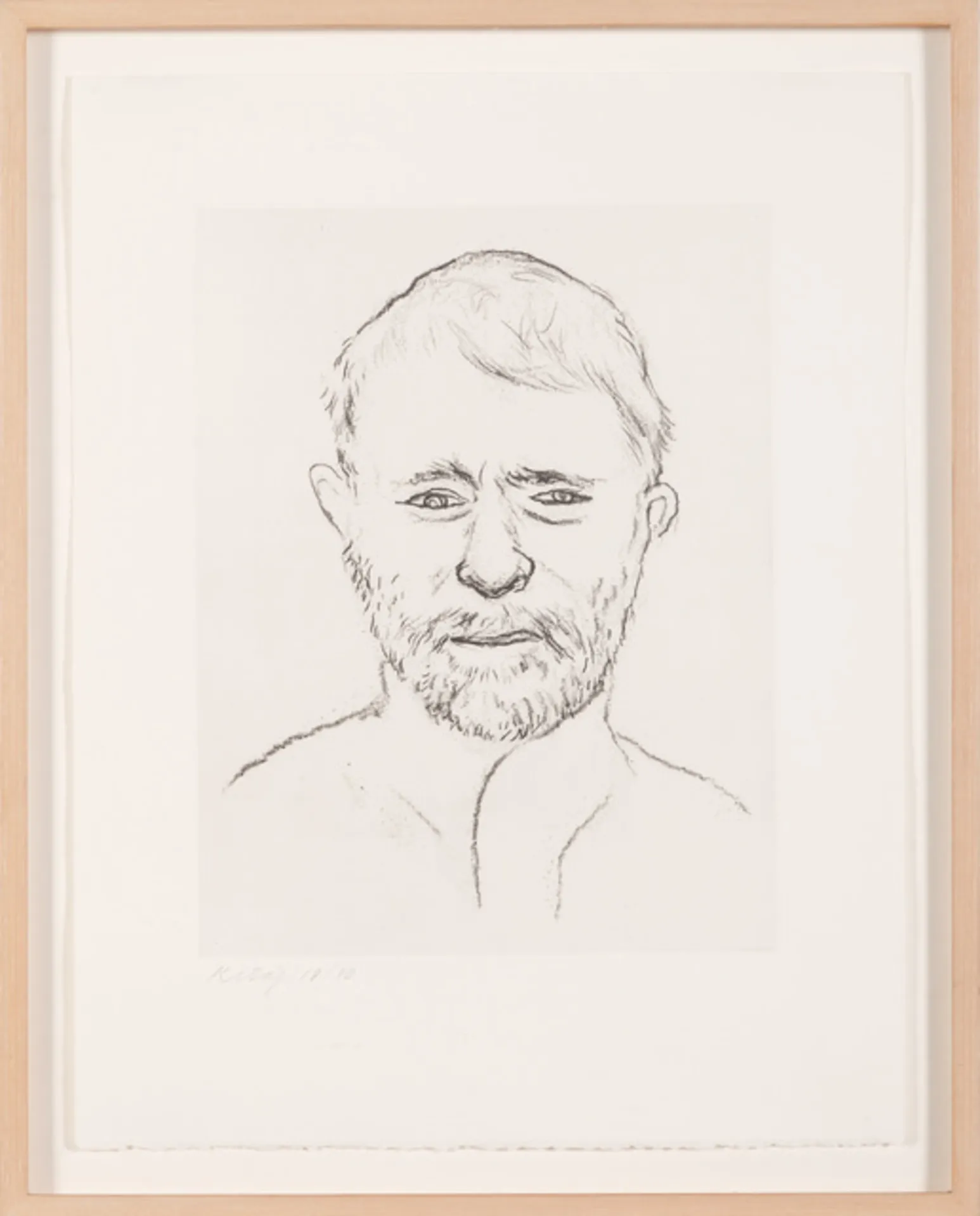
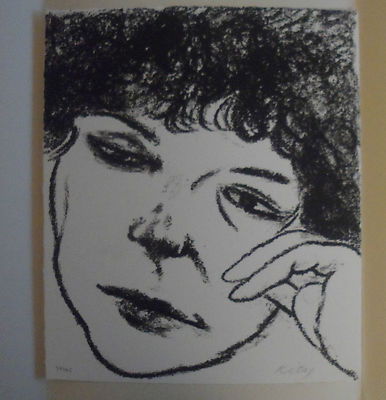
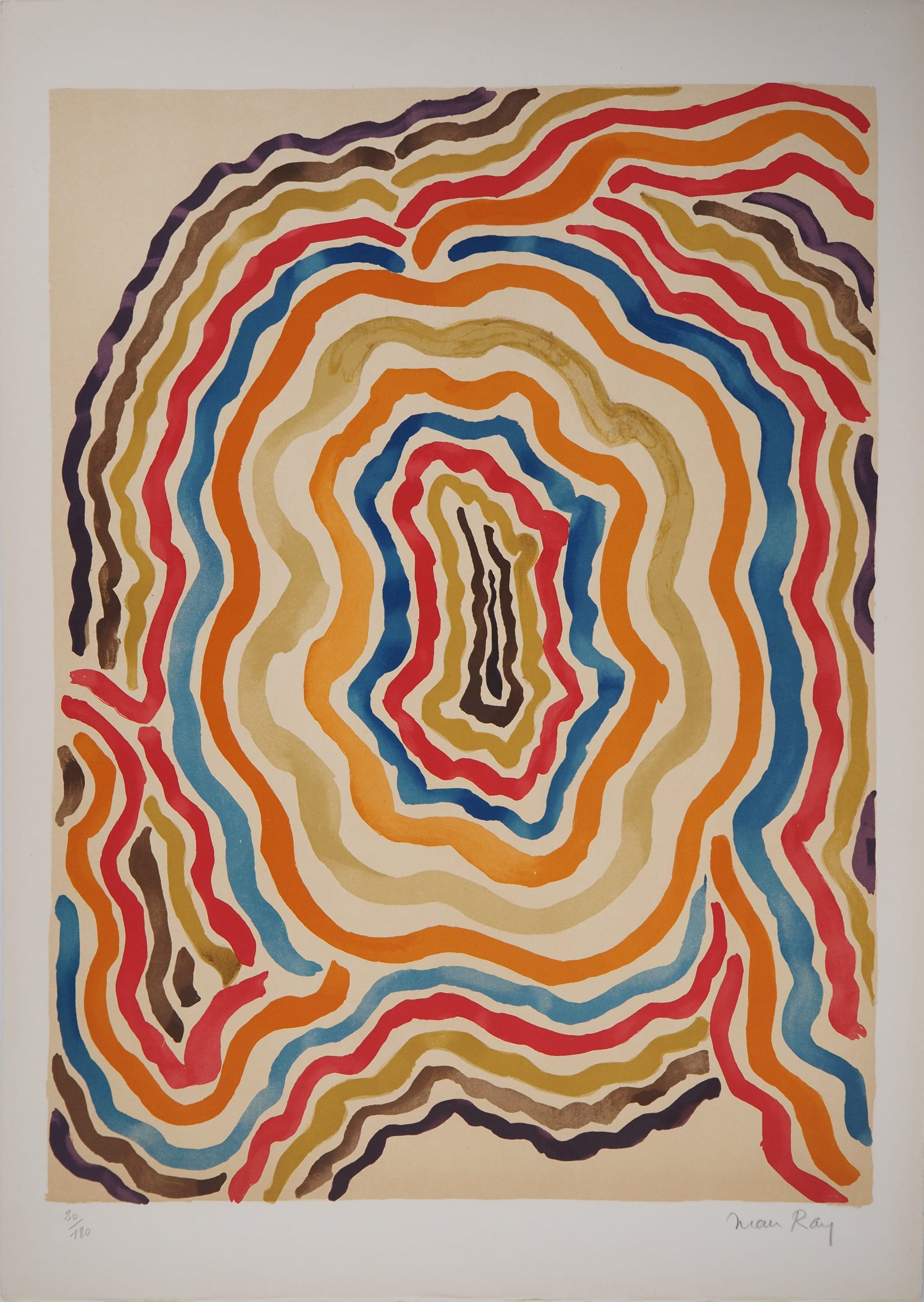
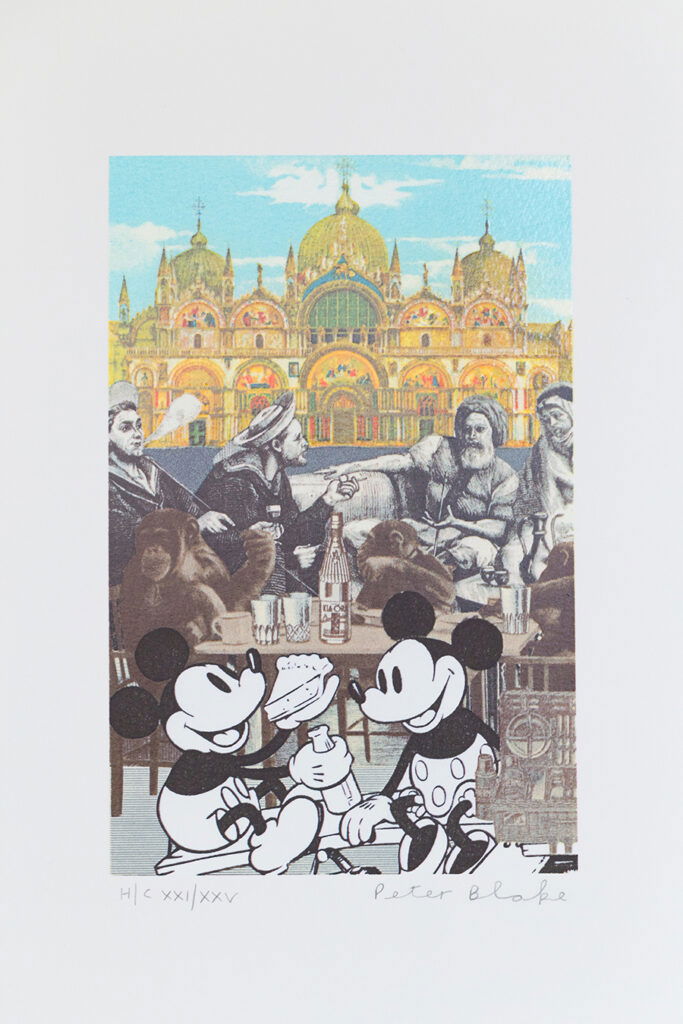
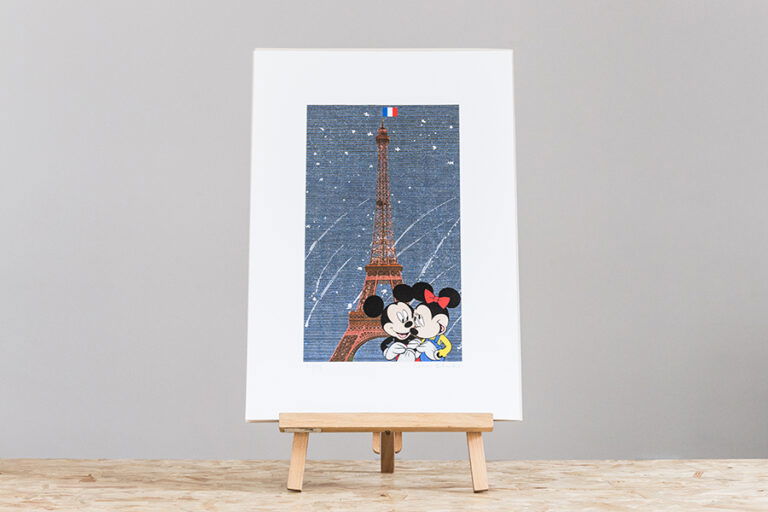
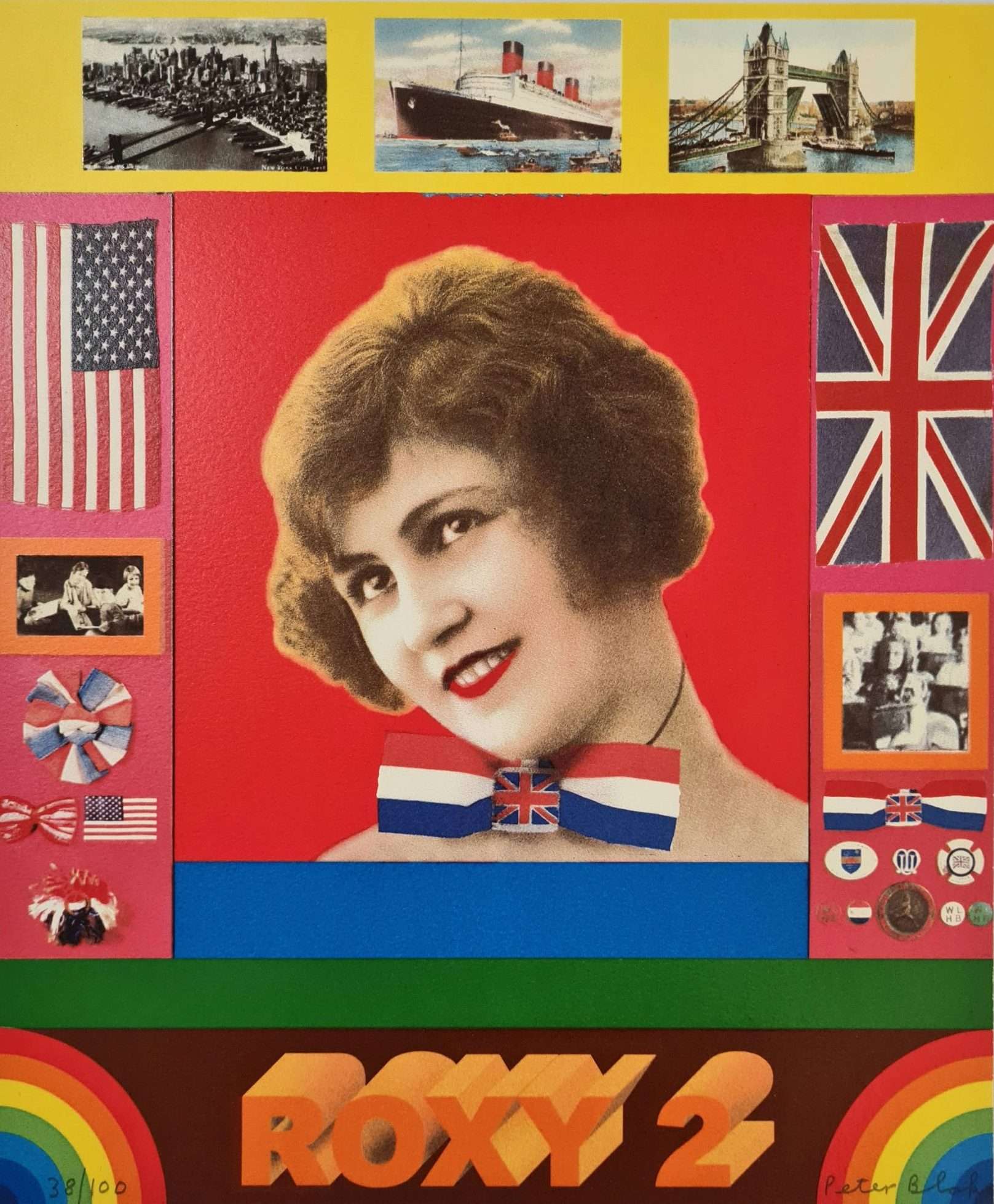
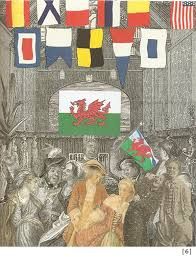
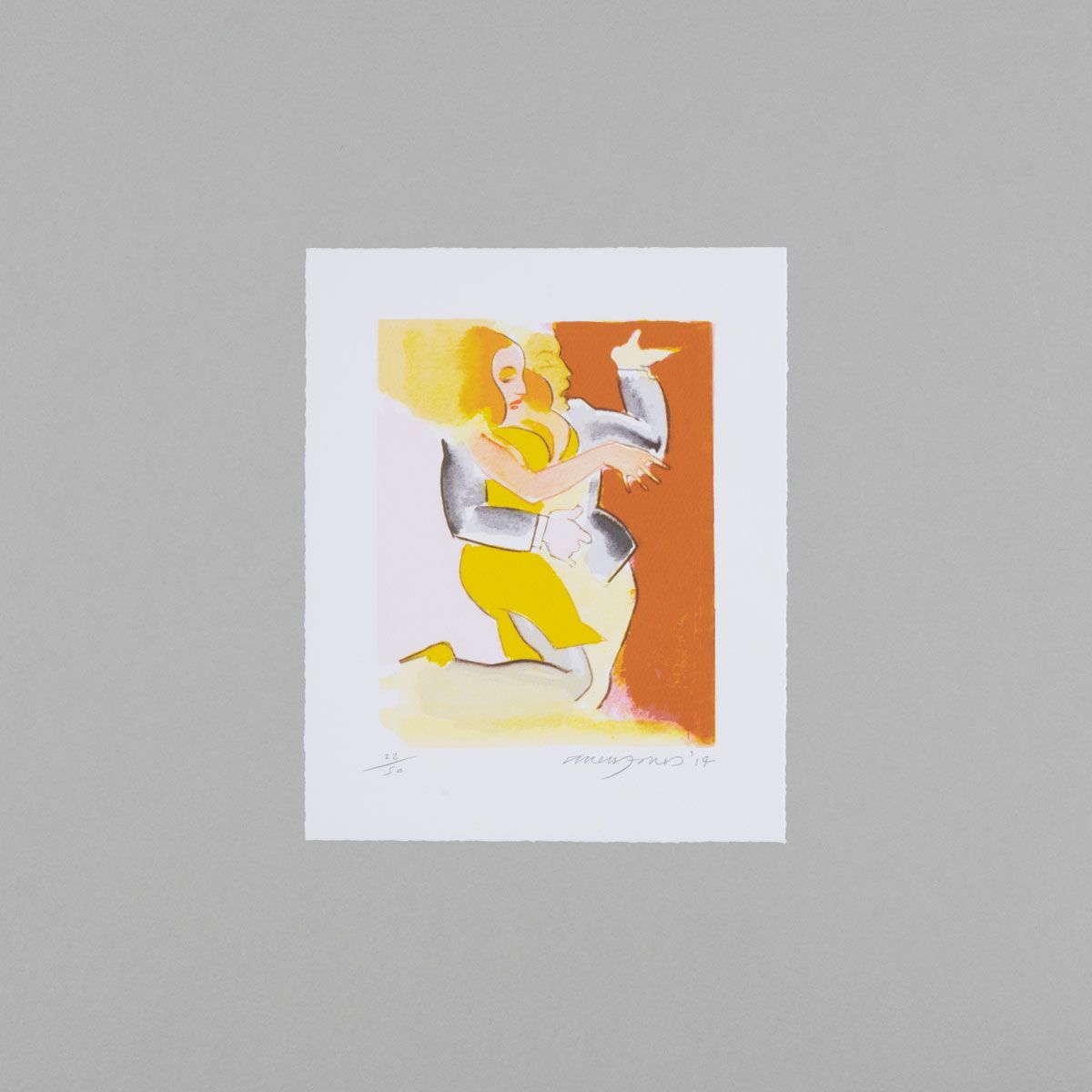
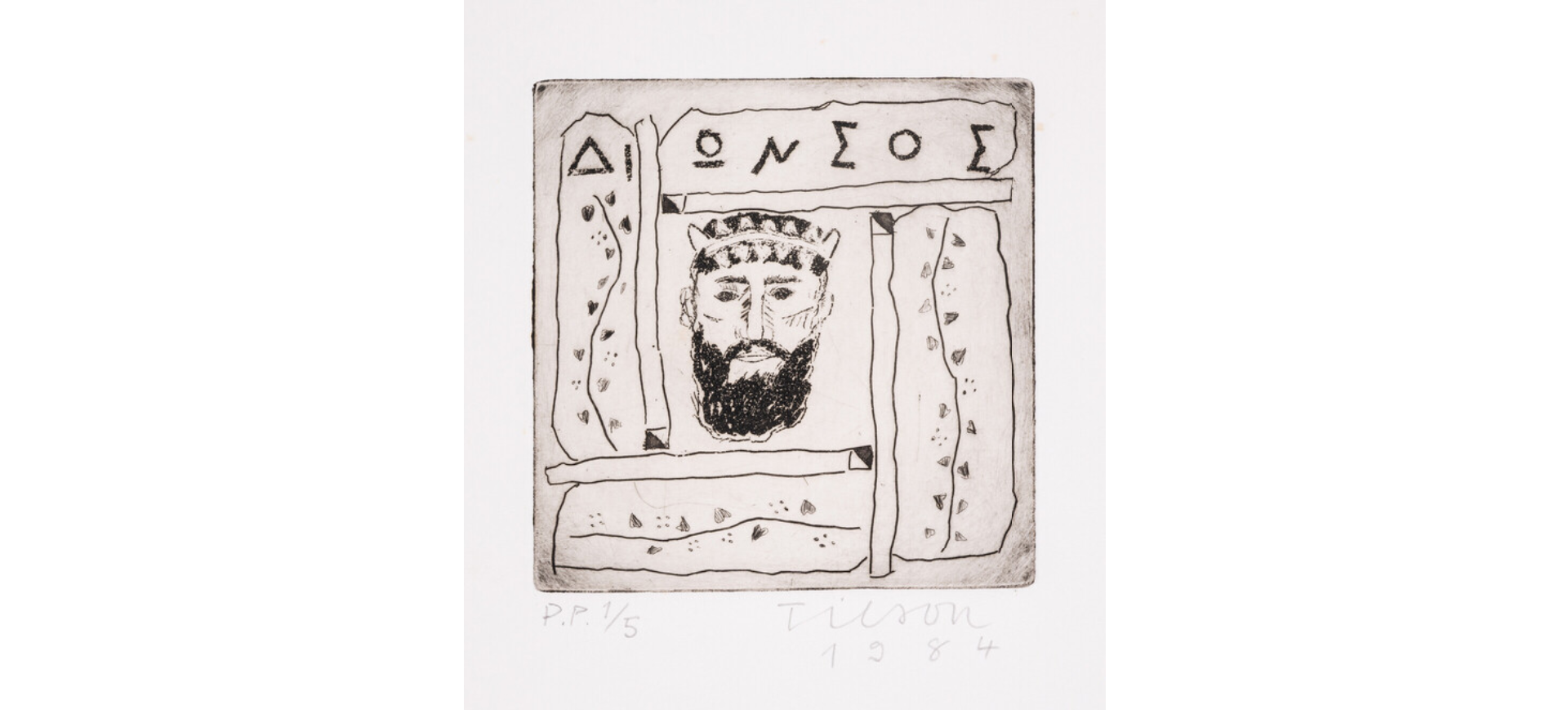
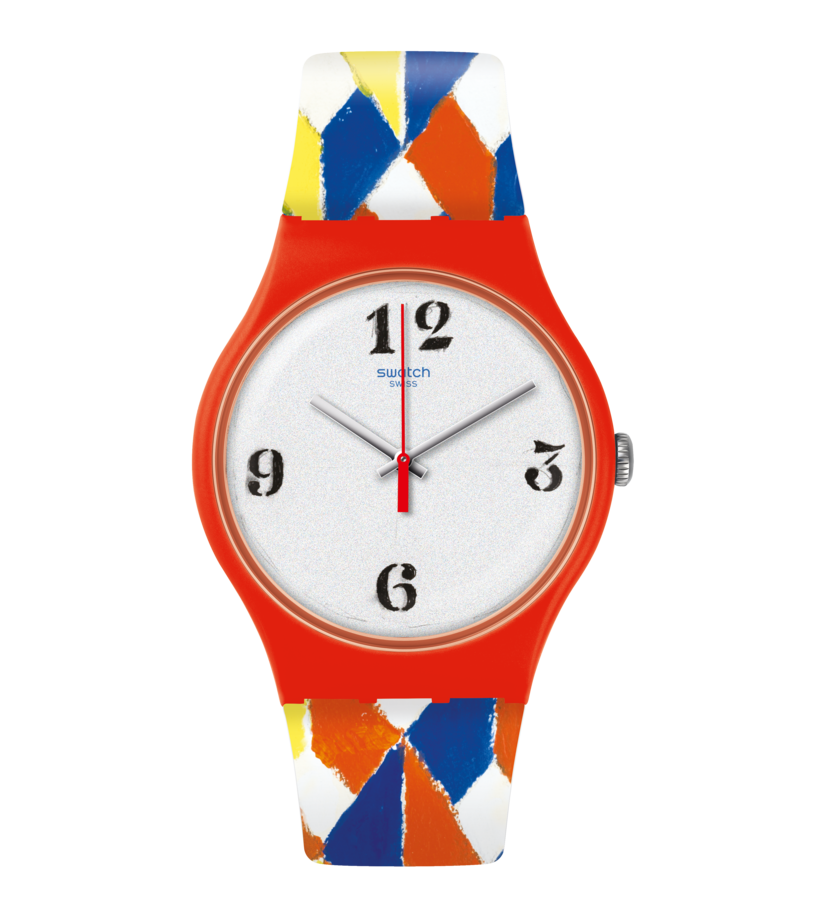
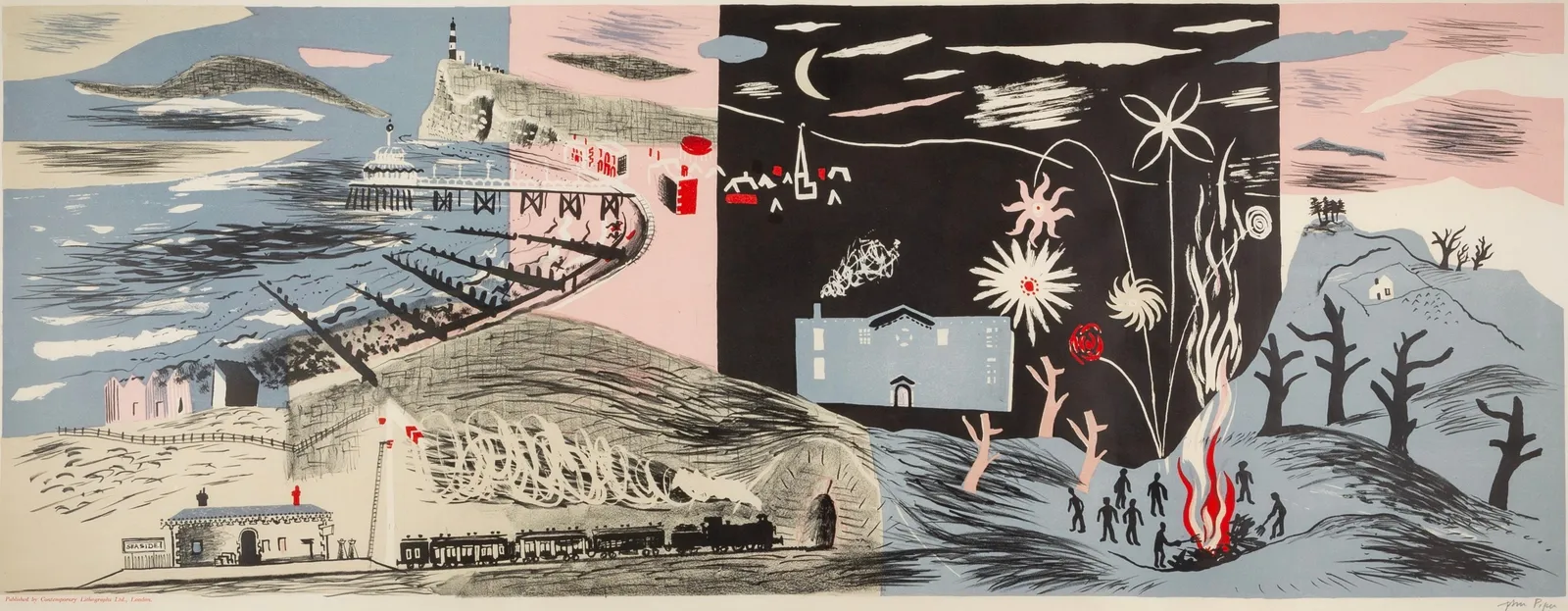
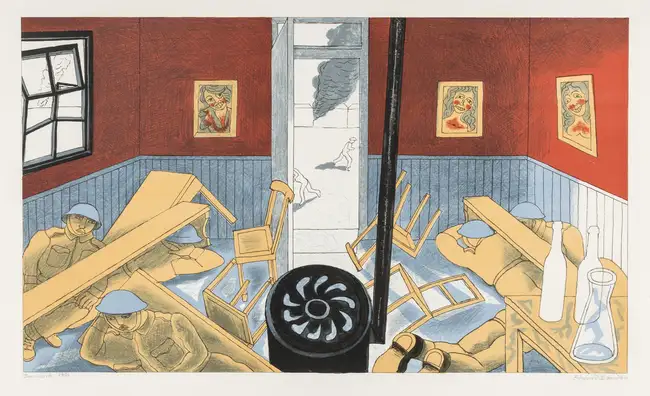
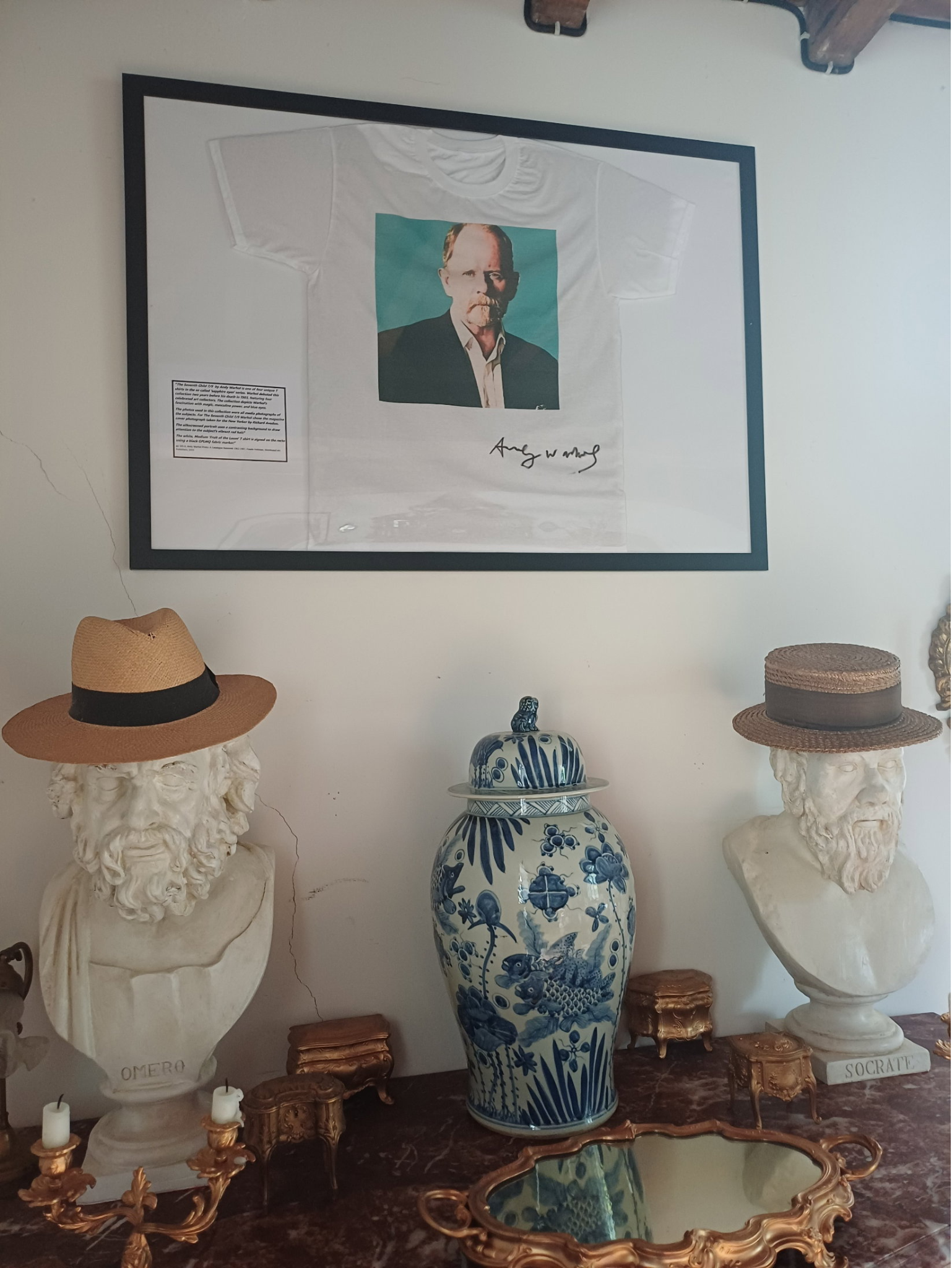
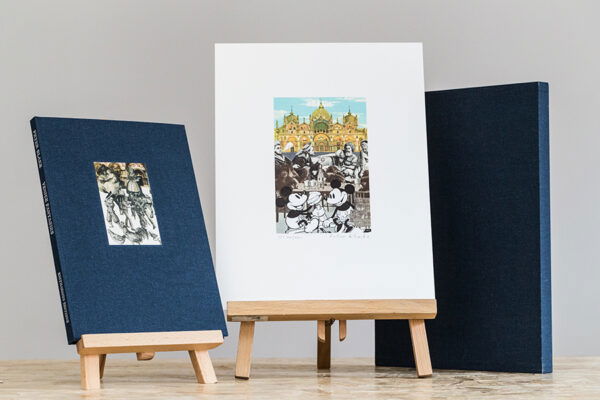
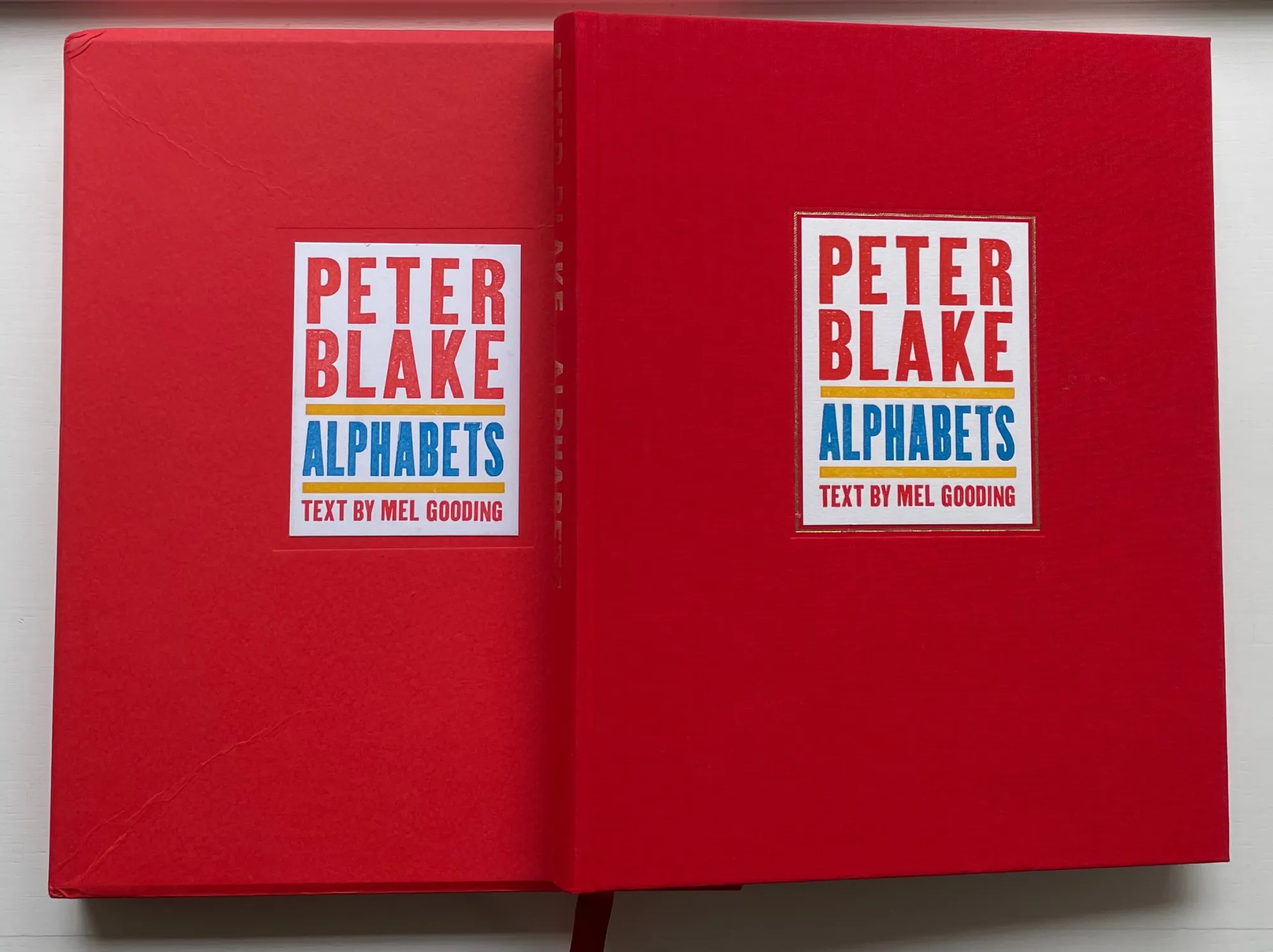
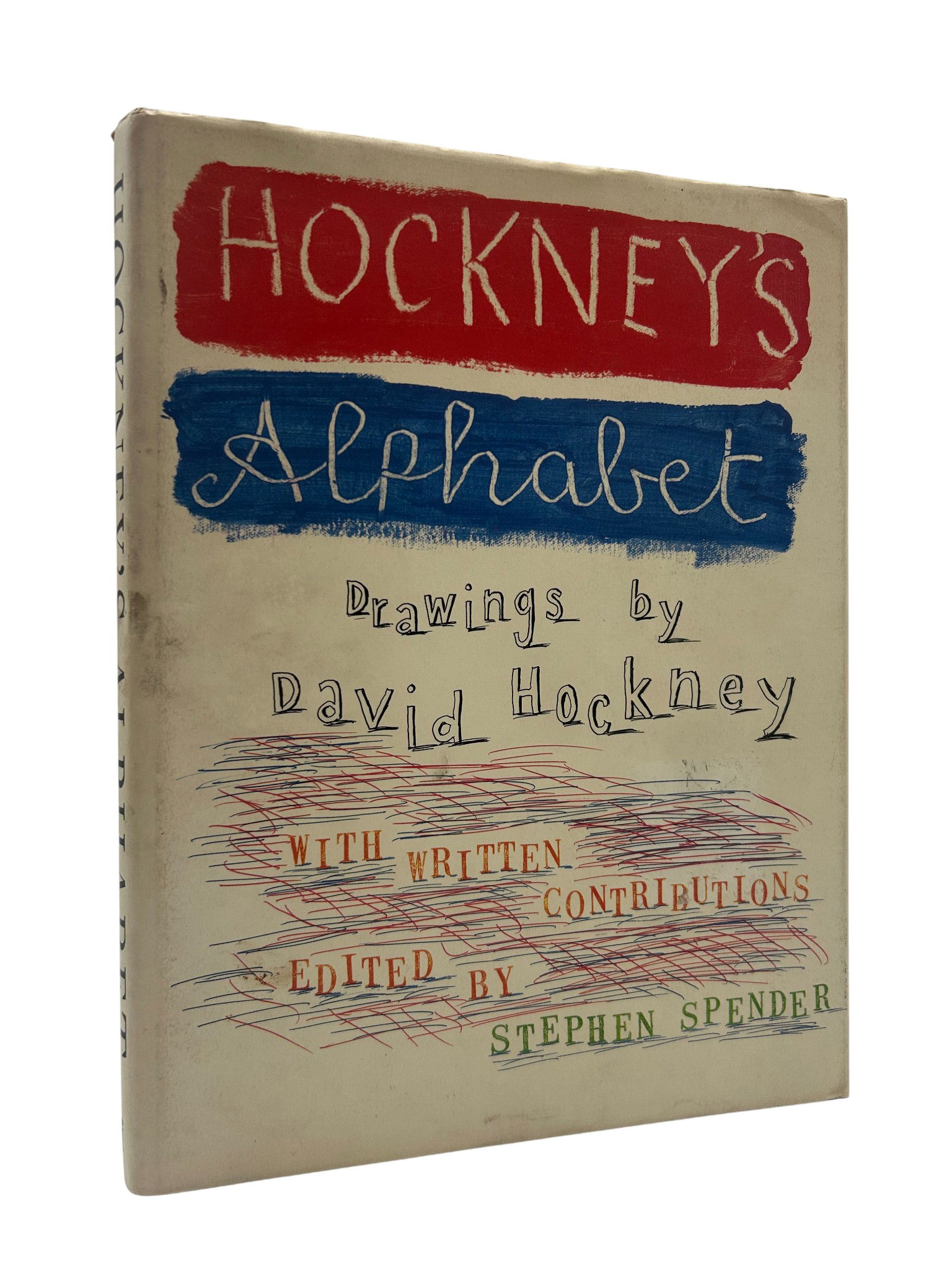
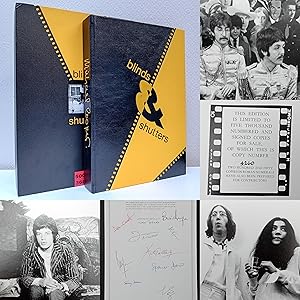
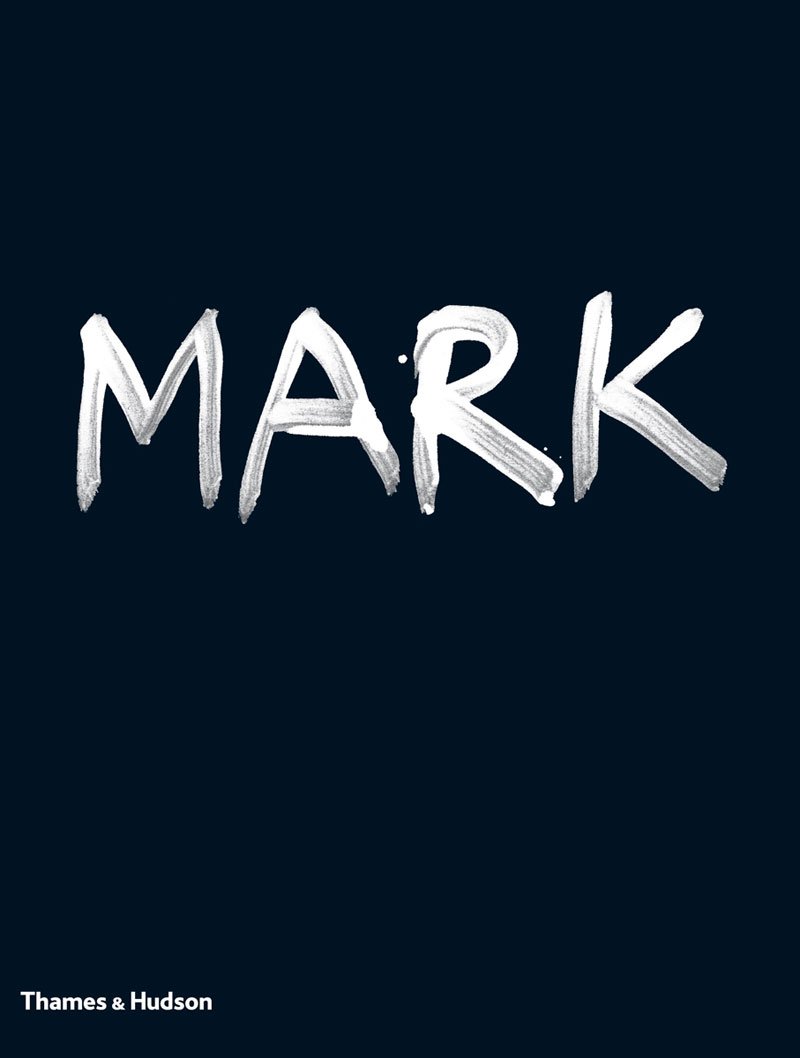
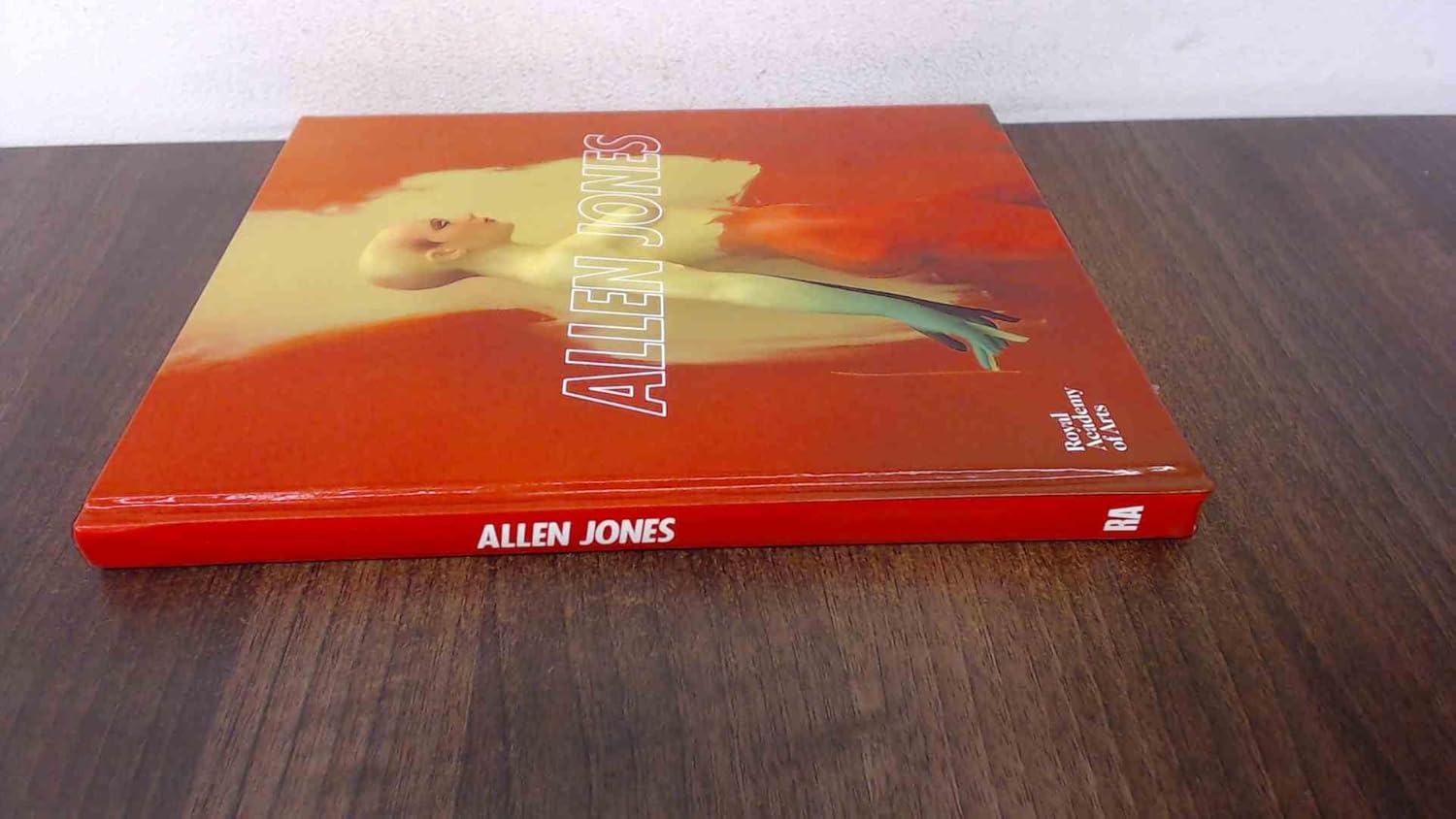
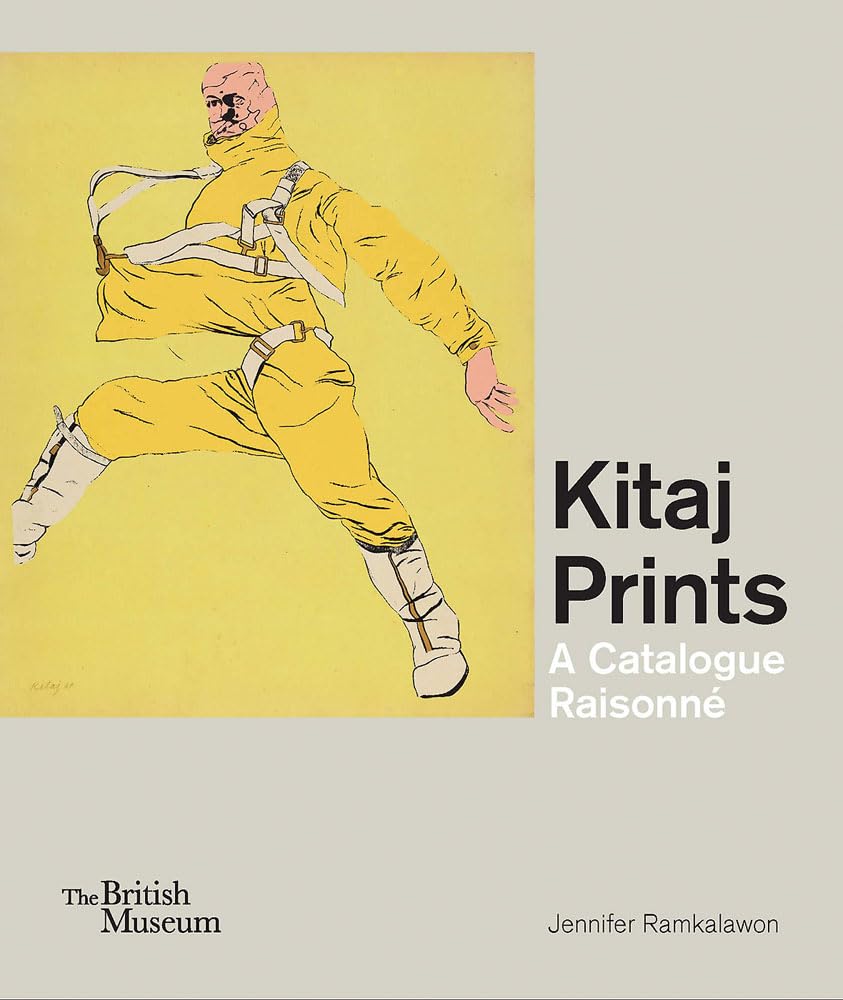
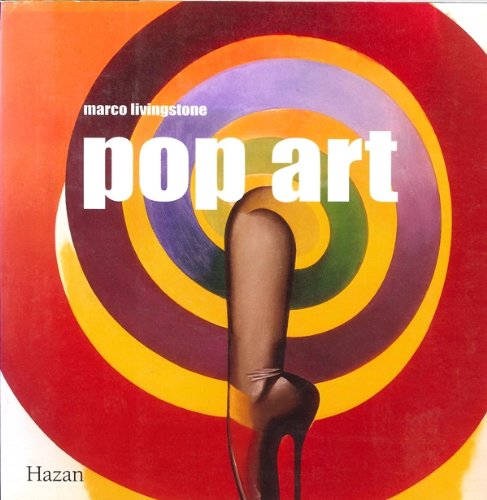
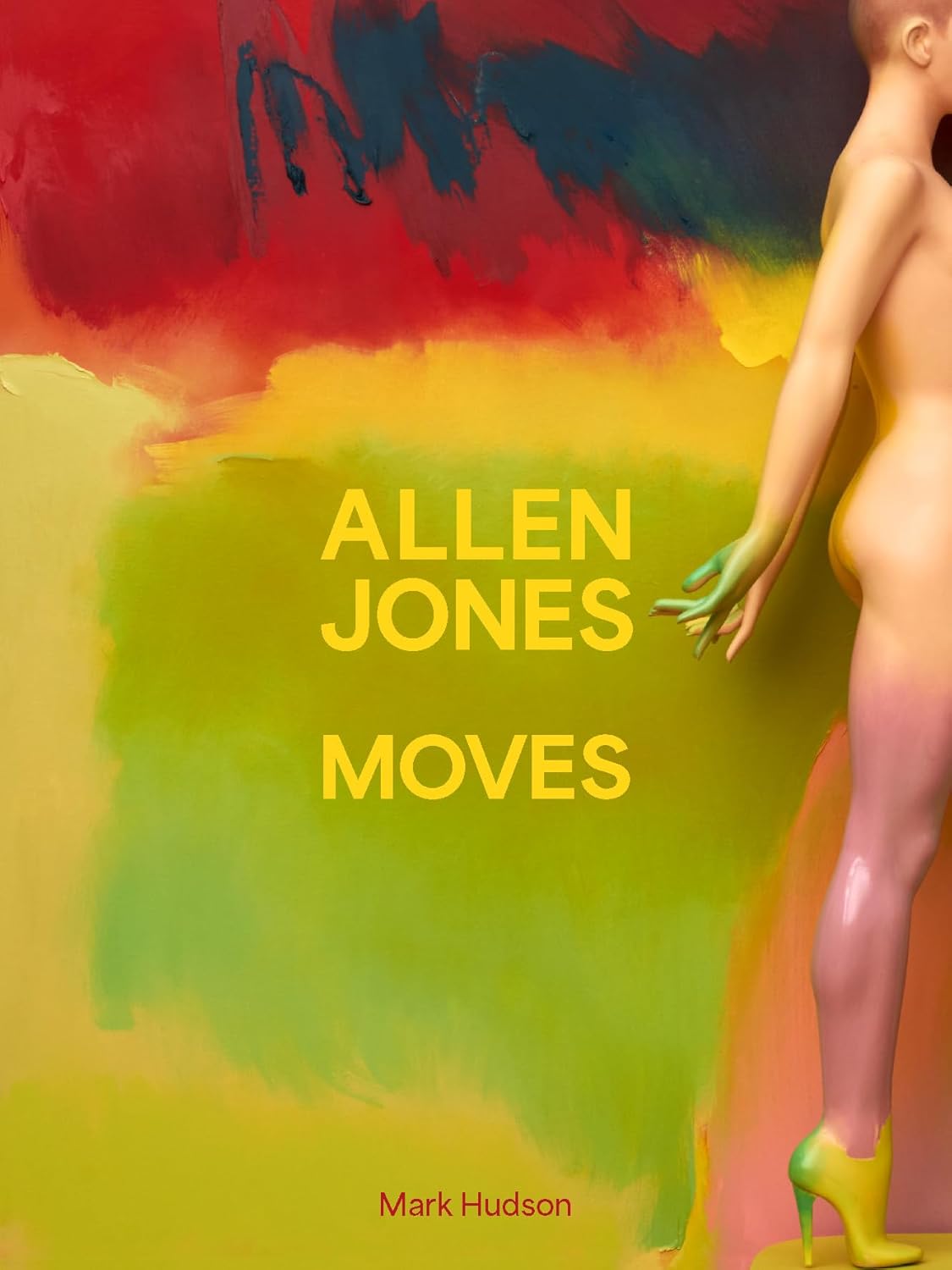
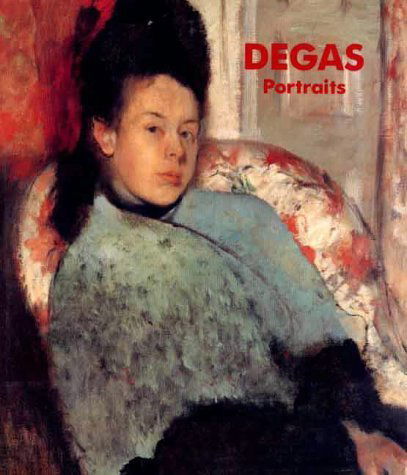
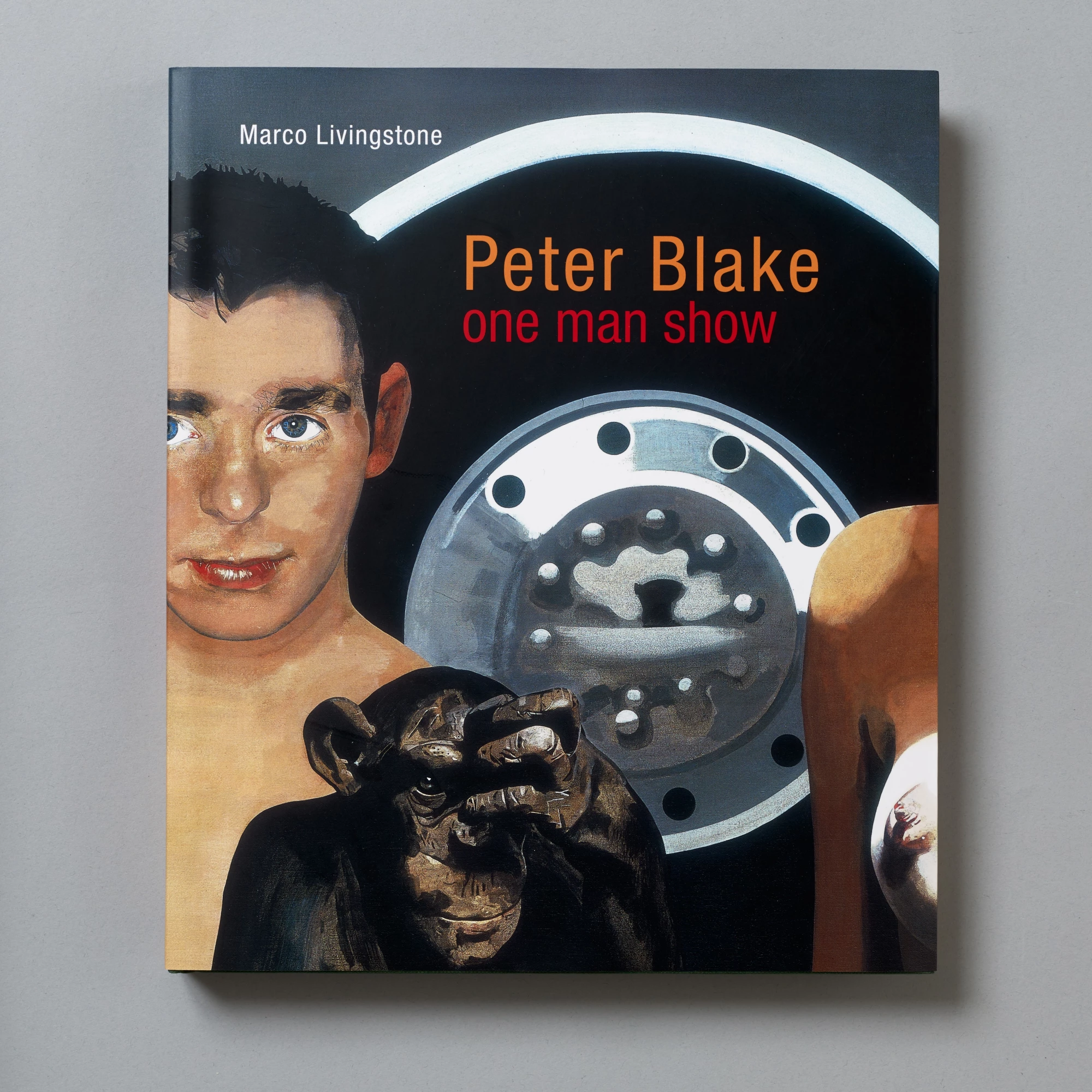
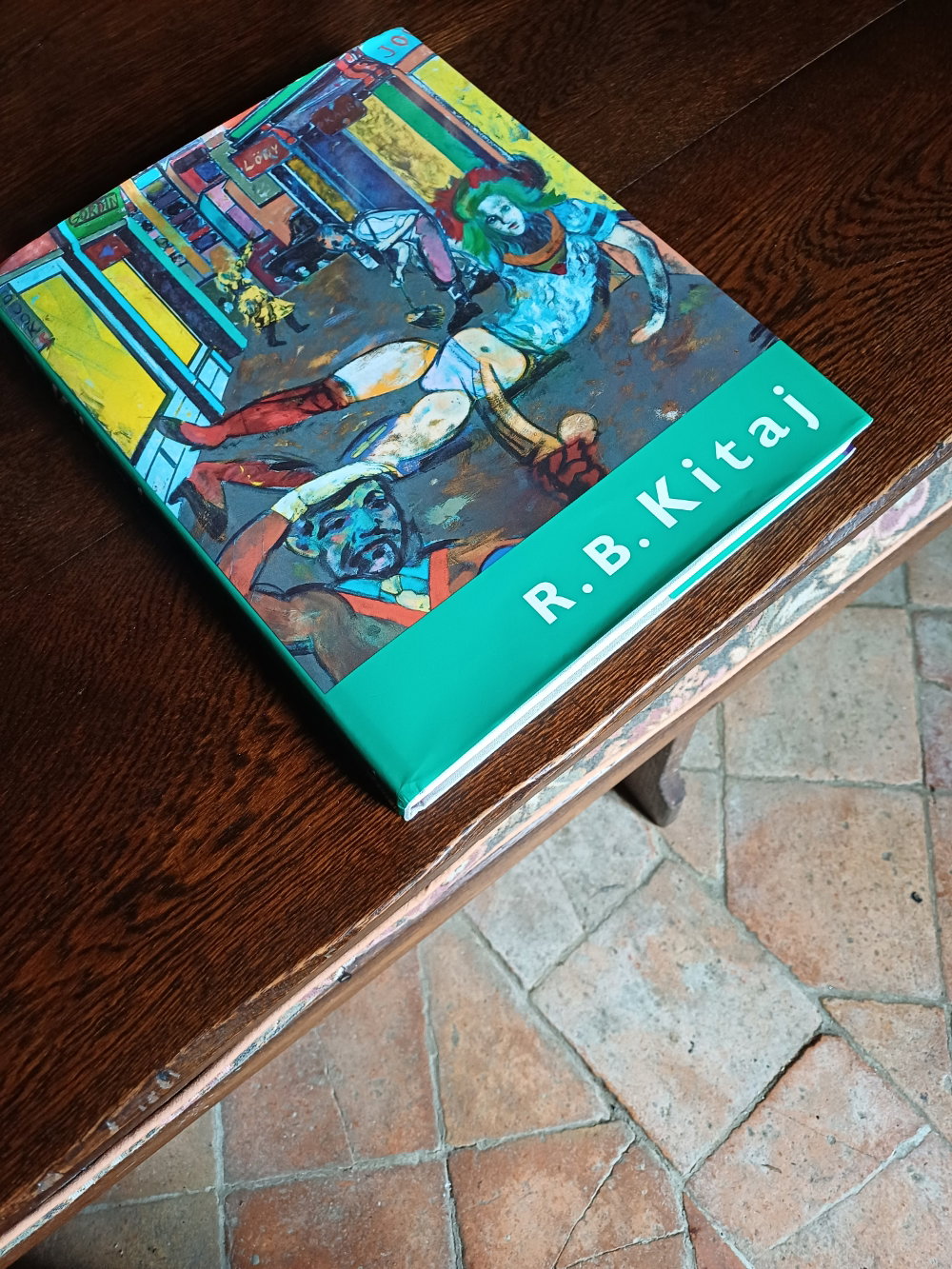
On 5th August 1966, modern pop music began with the release of the Beatles' album 'Revolver', when the world heard 'Tomorrow Never Knows' for the first time. To celebrate this, and the Gallery's fortieth anniversary, our 2026 Summer Exhibition, where the 1760's meets the 1960's, will be 'Pop goes the salon' featuring works, photos, objects, and books by or about Sir Peter Blake; RB Kitaj; David Hockney (RIP); Sir Eduardo Paolozzi; Derek Boshier; Pauline Boty; Joe Tilson; Richard Hamilton; Michael Cooper; Evelyne Askell; and Allen Jones. Also included is the only known copy of the Beatles' Sgt Pepper's Lonely Hearts Club Band signed by both the artist and the photographer who created the album cover; plus a special après-Warhol limited edition T-shirt.
This is the world's first AI art exhibition i.e. where all the works were selected by AI (see FAQs).
Free merch will be made available to VVVIPs.
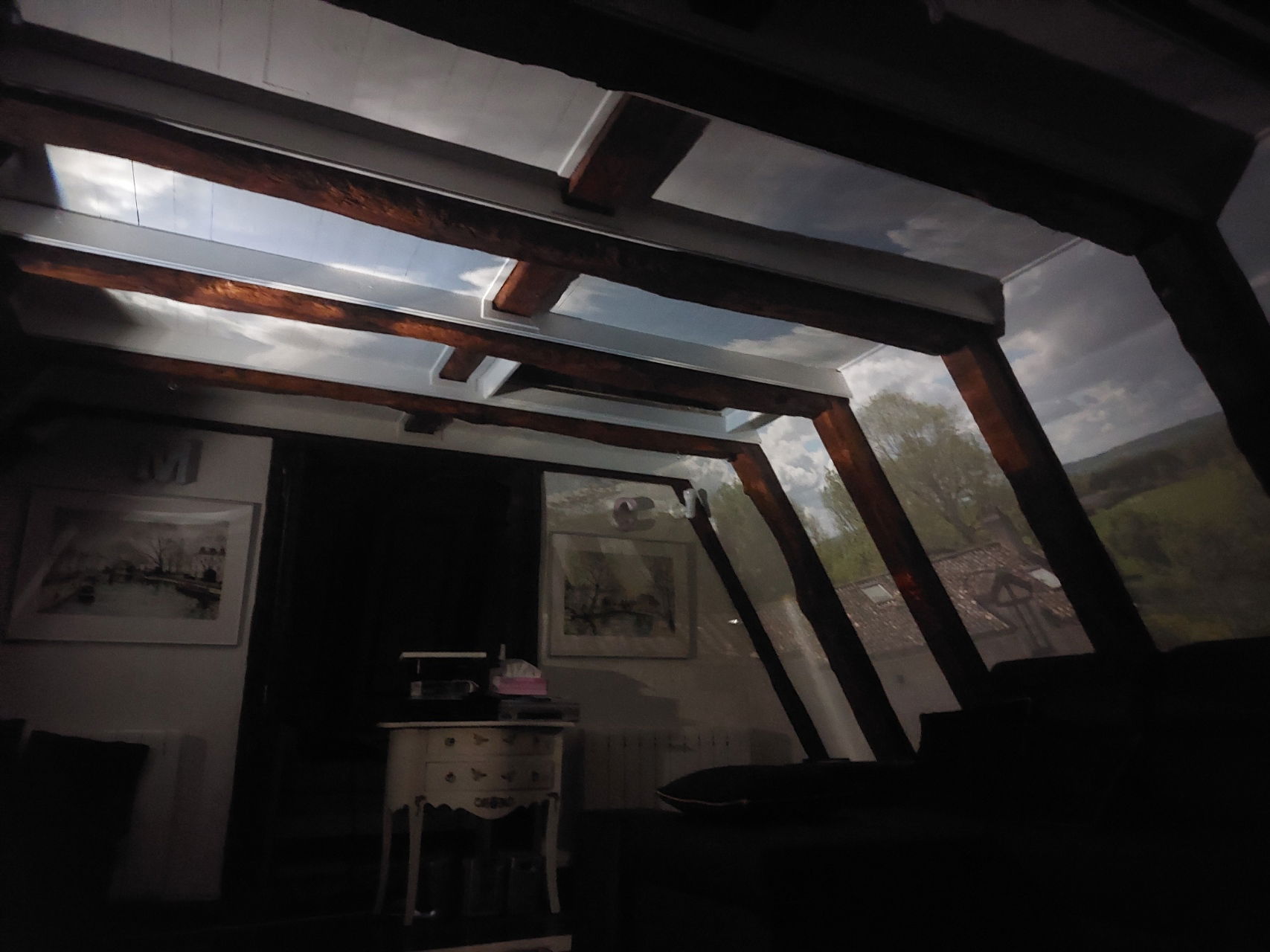
The exhibition was inspired both by the groundbreaking 1961 'Young Contemporaries' exhibition at the Whitechapel Gallery, where British Pop Art first emerged; and Ken Russell's famous 'Pop goes the Easel' 1962 BBC 'Monitor' documentary, clips of which will be projected on the Gallery walls à la Roundhouse, together with Buñuel's 1964 chef d'oeuvre 'Le journal d'une femme de chambre', and Jean Antoine's 'Dieu est-il pop?' 1964 documentary in the 'Metamorphoses' series on RTBF.
The exhibition will be open officially on June 17th (the founding date of the Gallery), by appointment to invited guests only,
between 1500 and 1600 each Friday in July and August.
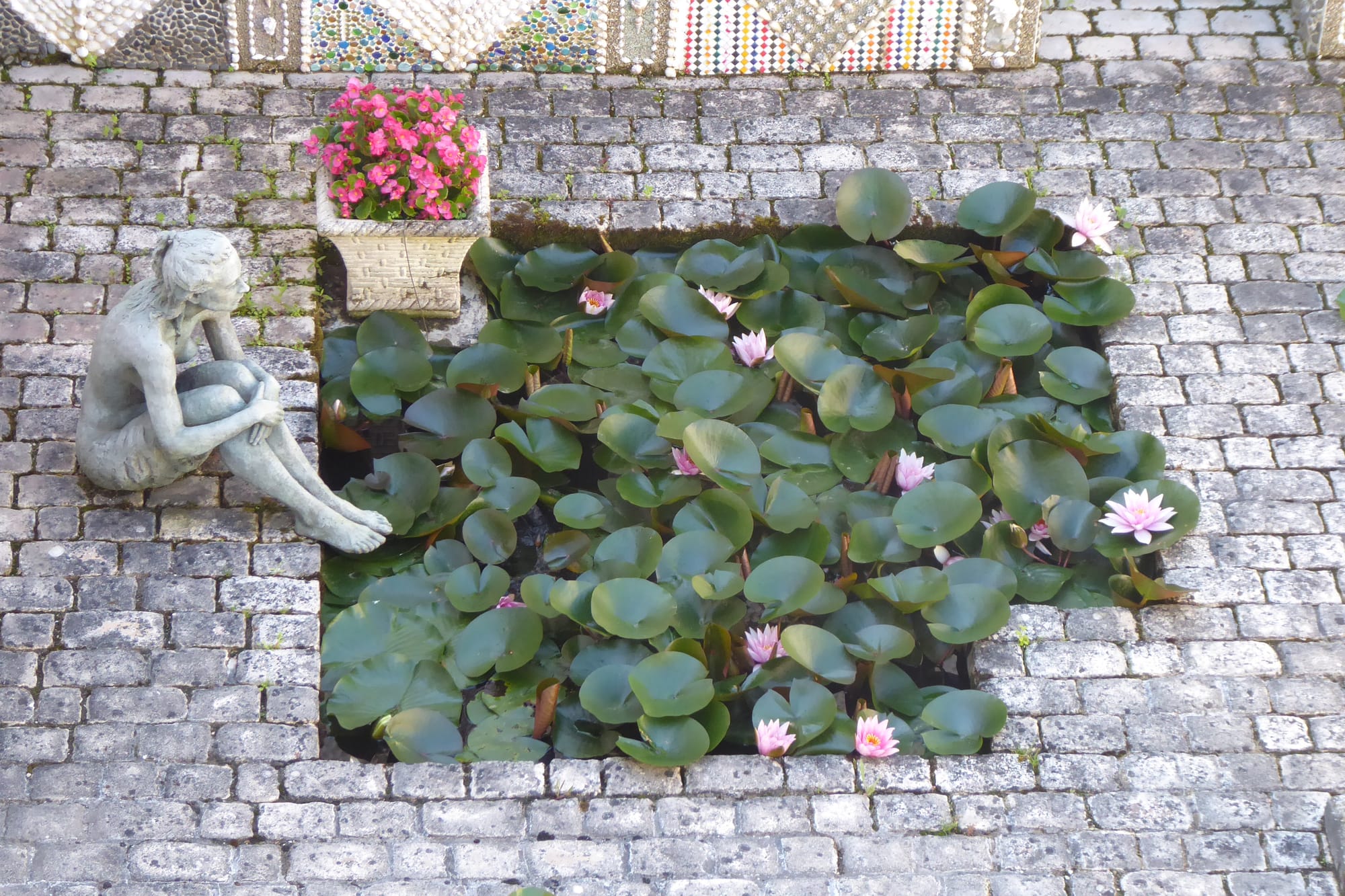
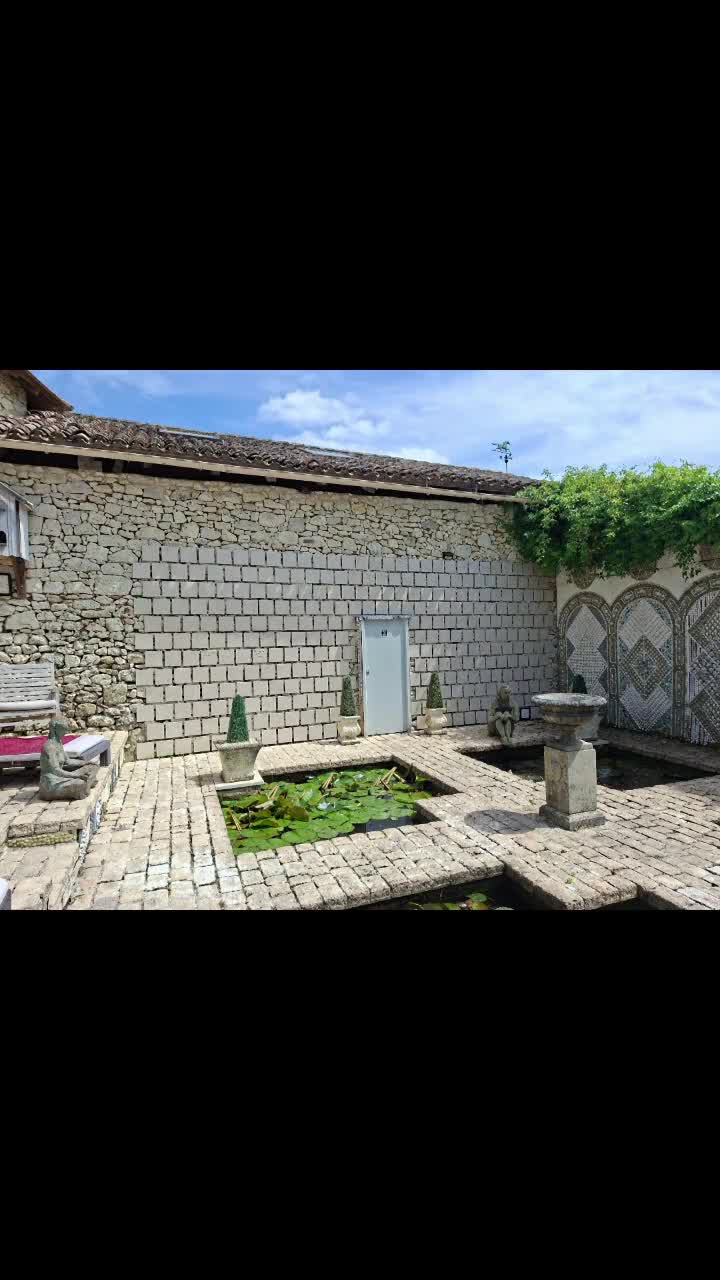
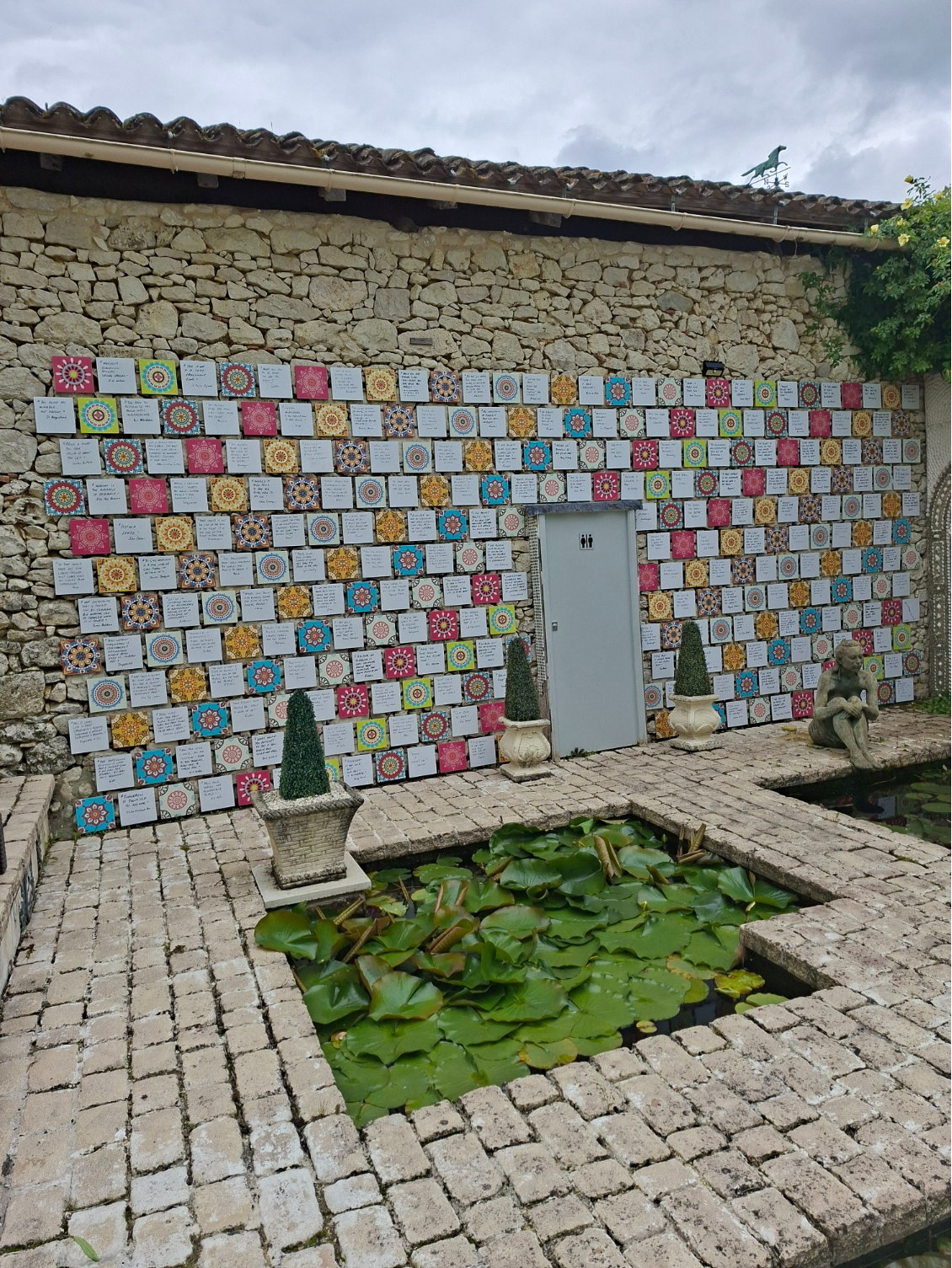
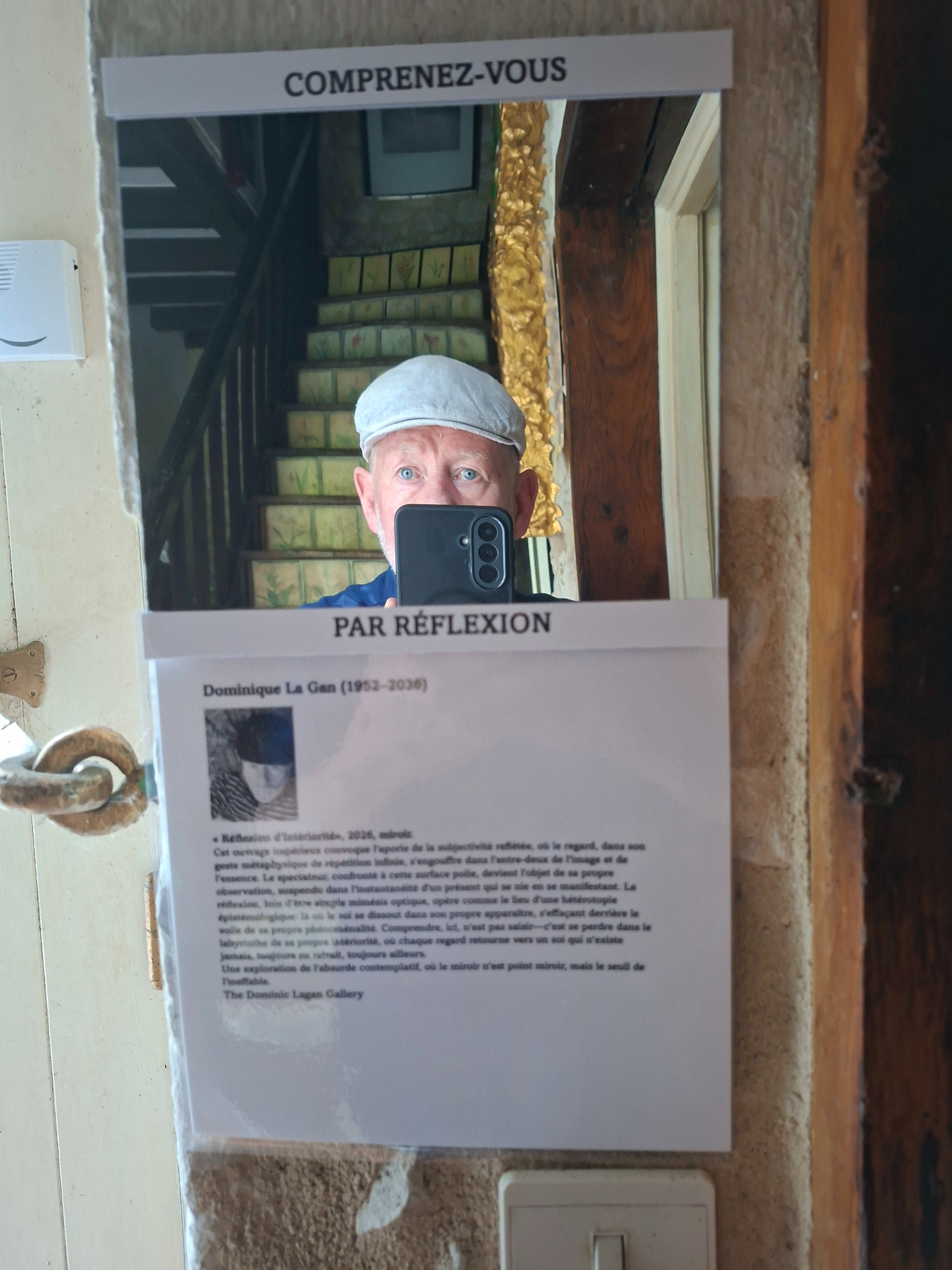
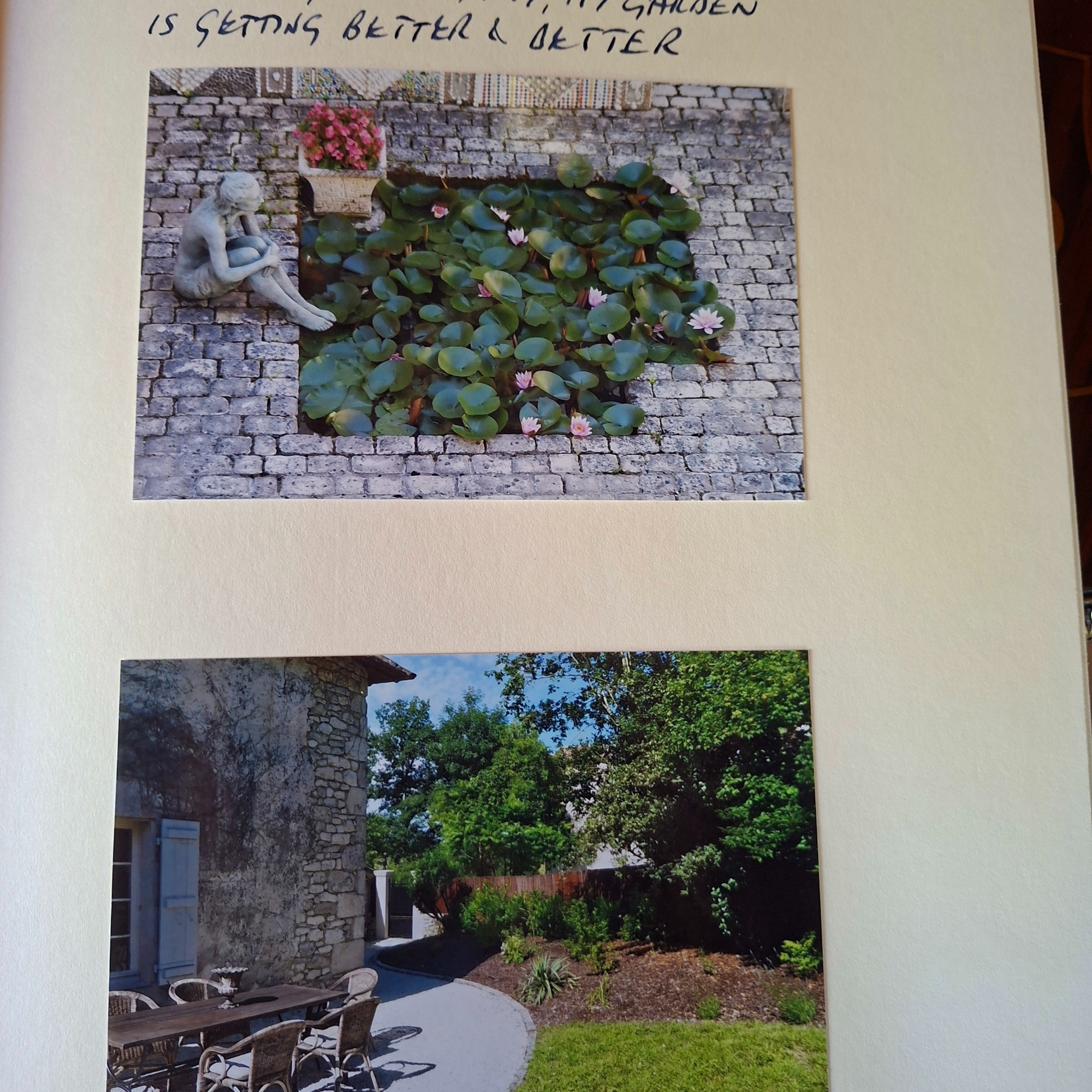
NB THE GALLERY IS NOT ACCESSIBLE TO THE GENERAL PUBLIC. NO PHOTOGRAPHY ALLOWED EXCEPT IN THE WATER GARDEN.
Please read the FAQ tab carefully to avoid disappointment.
The main 'Salon Gallery' mounts a themed invitation-only exhibition each summer. Small permanent exhibits can also be viewed in the 'West Wing' annex.
In 2025, the gallery presented the '3.5 Frinks in a Salon' exhibition, which consisted of four works by the celebrated English artist Dame Elisabeth Frink CH DBE RA (14 November 1930 – 18 April 1993). The four prints are representative of her four constant themes: the nature of Man; the 'horseness' of horses; the divine in human form, and her abiding fascination with birds of prey.
See 'Videos' tab for more details.
On 5th August 1966, modern pop music began with the release of the Beatles' album 'Revolver', when the world heard 'Tomorrow Never Knows' for the first time. To celebrate this, and the Gallery's fortieth anniversary, our 2026 Summer Exhibition, where the 1760's meets the 1960's, will be 'Pop goes the salon' featuring works, photos, objects, and books by or about Sir Peter Blake; RB Kitaj; David Hockney (RIP); Sir Eduardo Paolozzi; Derek Boshier; Pauline Boty; Joe Tilson; Richard Hamilton; Michael Cooper; Evelyne Askell; and Allen Jones. Also included is the only known copy of the Beatles' Sgt Pepper's Lonely Hearts Club Band signed by both the artist and the photographer who created the album cover; plus a special après-Warhol limited edition T-shirt.
This is the world's first AI art exhibition i.e. where all the works were selected by AI (see FAQs).
Free merch will be made available to VVVIPs.
The exhibition was inspired both by the groundbreaking 1961 'Young Contemporaries' exhibition at the Whitechapel Gallery, where British Pop Art first emerged; and Ken Russell's famous 'Pop goes the Easel' 1962 BBC 'Monitor' documentary, clips of which will be projected on the Gallery walls à la Roundhouse, together with Buñuel's 1964 chef d'oeuvre 'Le journal d'une femme de chambre', and Jean Antoine's 'Dieu est-il pop?' 1964 documentary in the 'Metamorphoses' series on RTBF.
The exhibition will be open officially on June 17th (the founding date of the Gallery), by appointment to invited guests only,
between 1500 and 1600 each Friday in July and August.
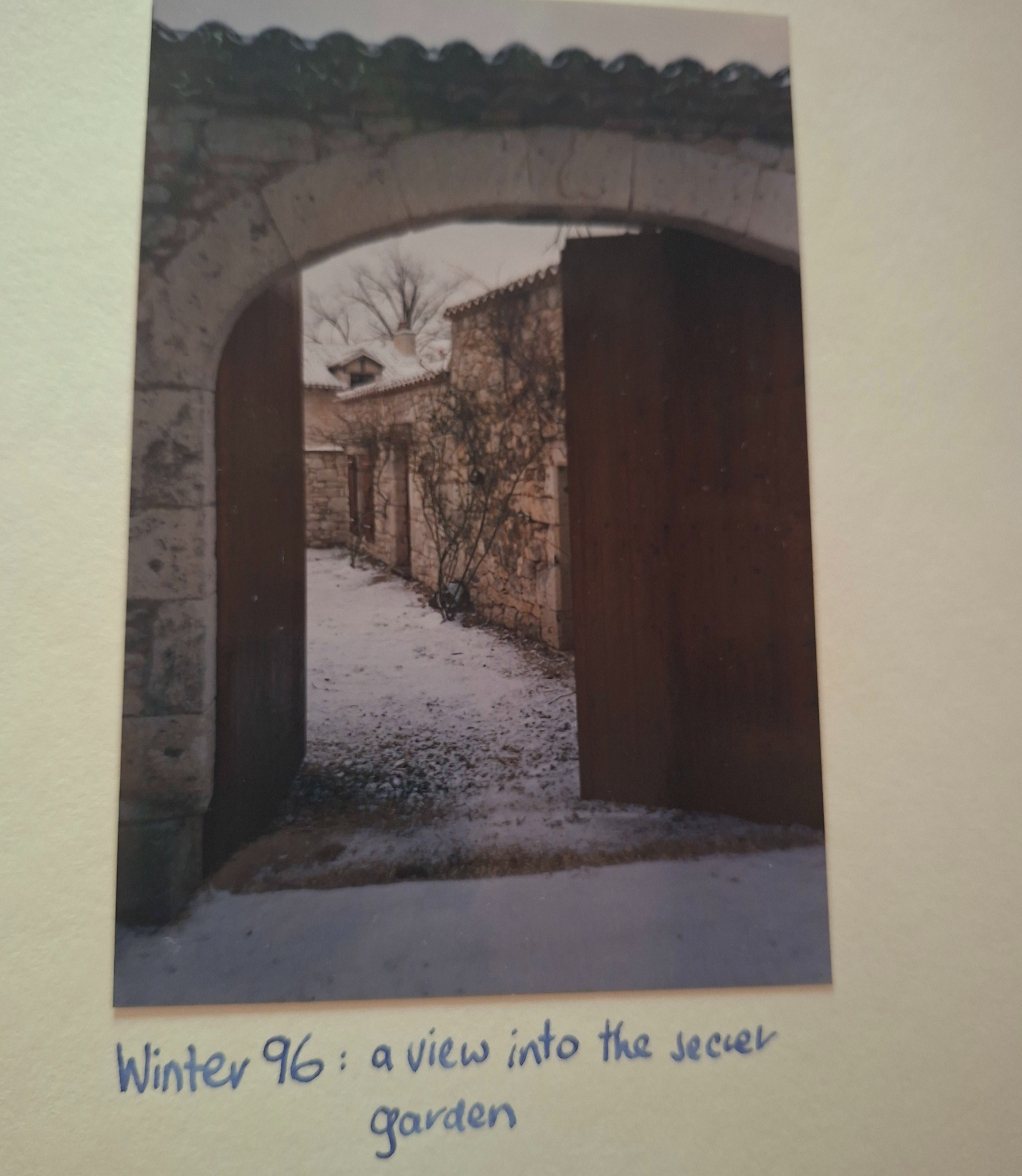
NB THE GALLERY IS NOT ACCESSIBLE TO THE GENERAL PUBLIC. NO PHOTOGRAPHY ALLOWED EXCEPT IN THE WATER GARDEN.
Please read the FAQ tab carefully to avoid disappointment.
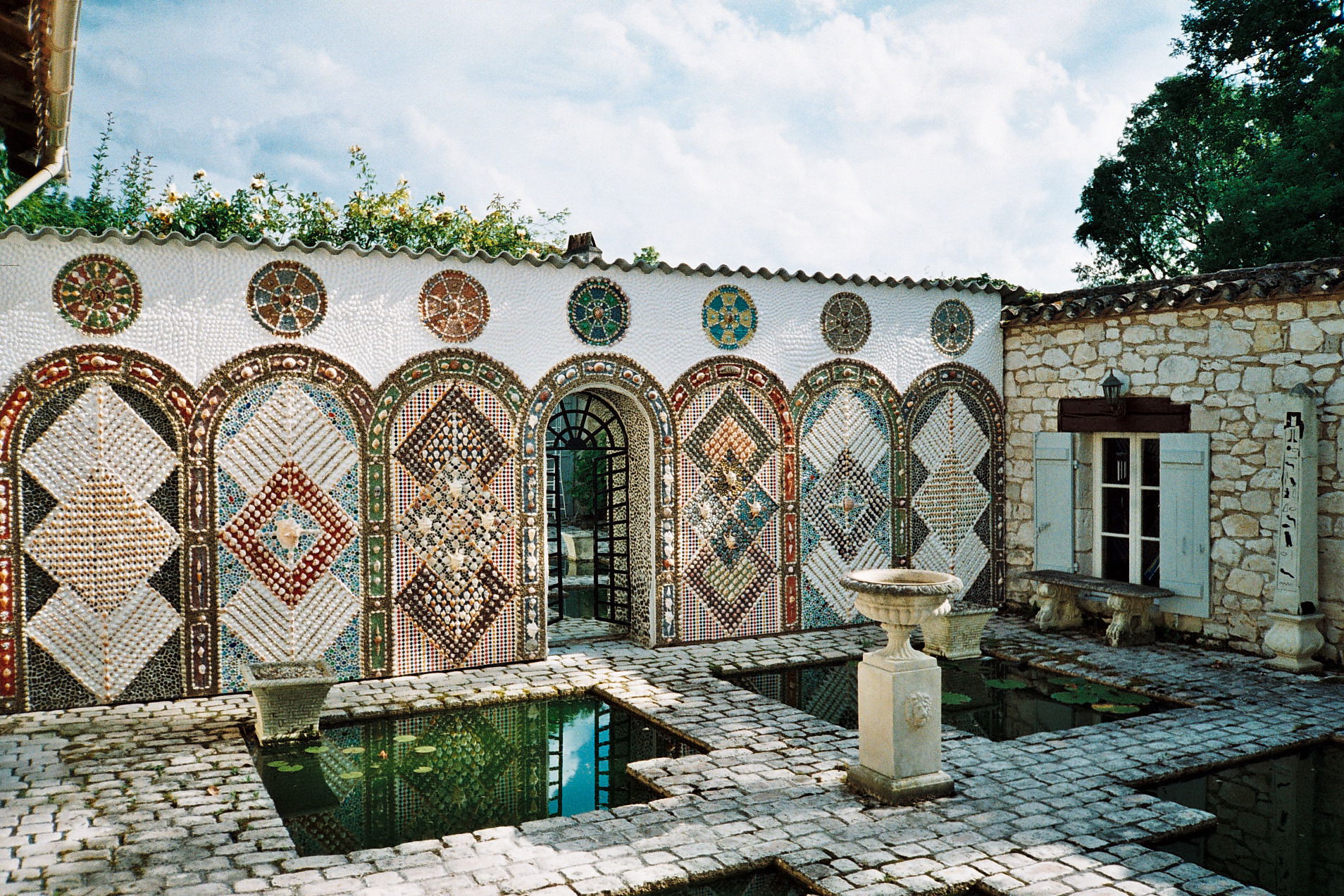
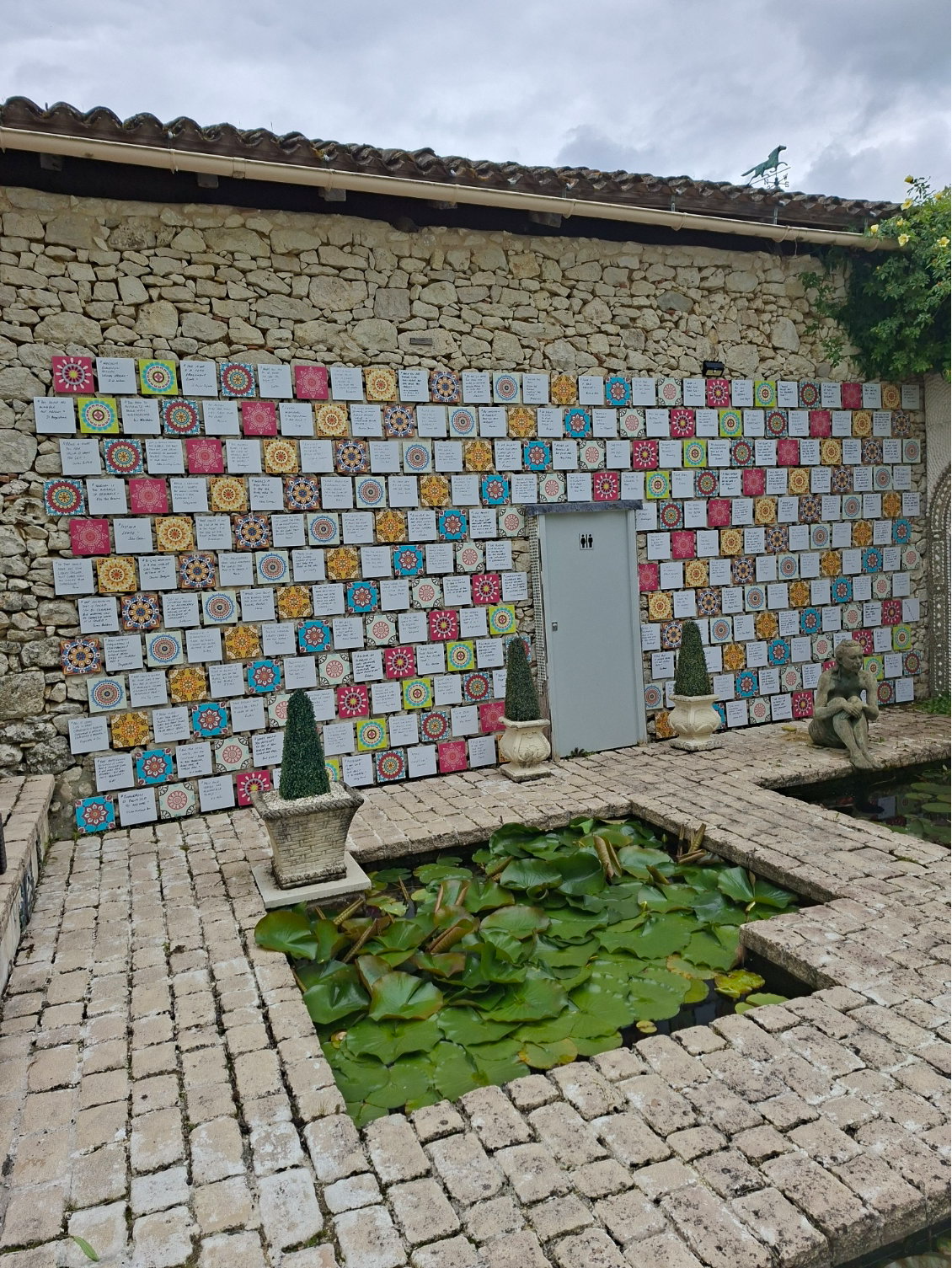
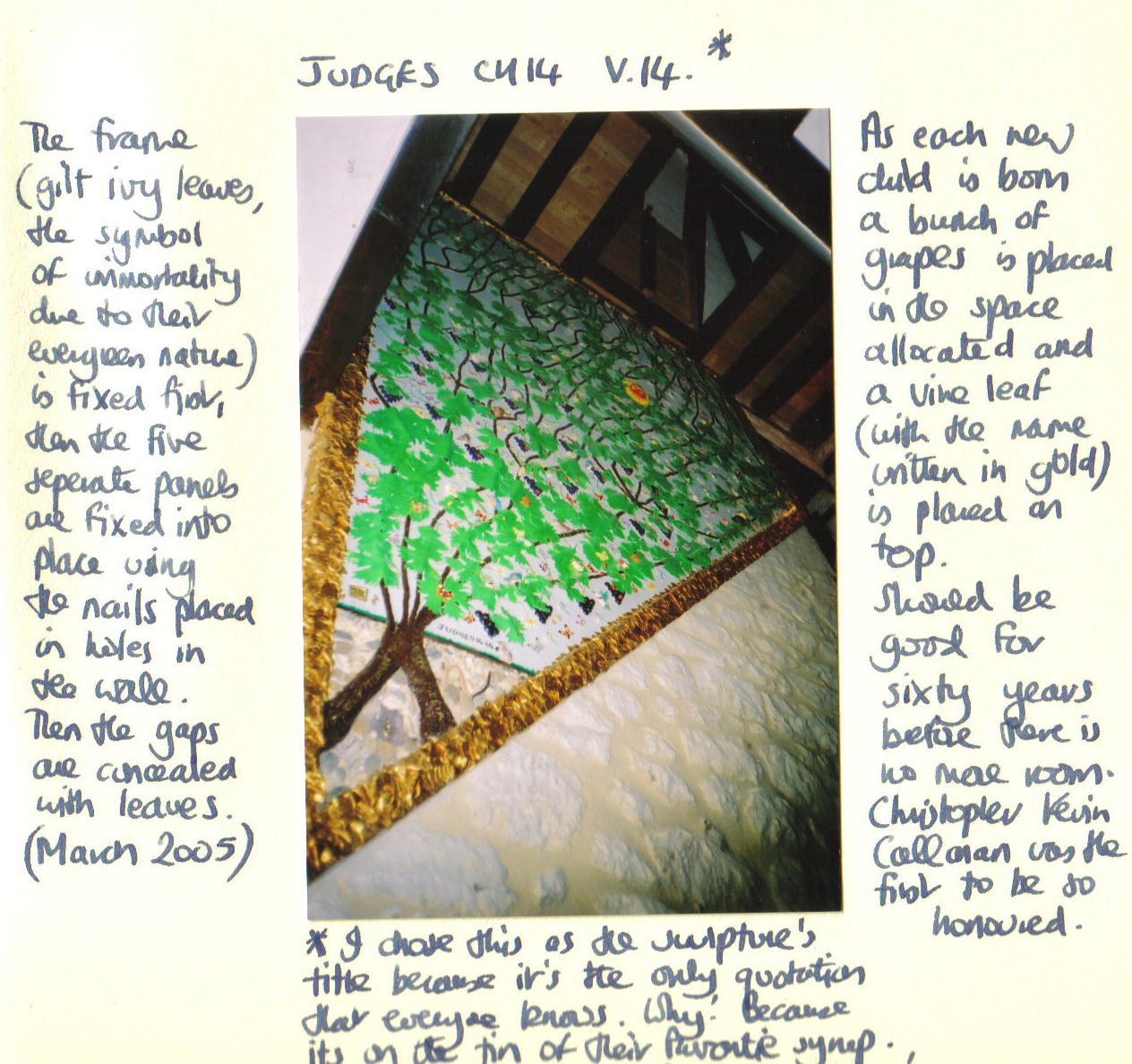
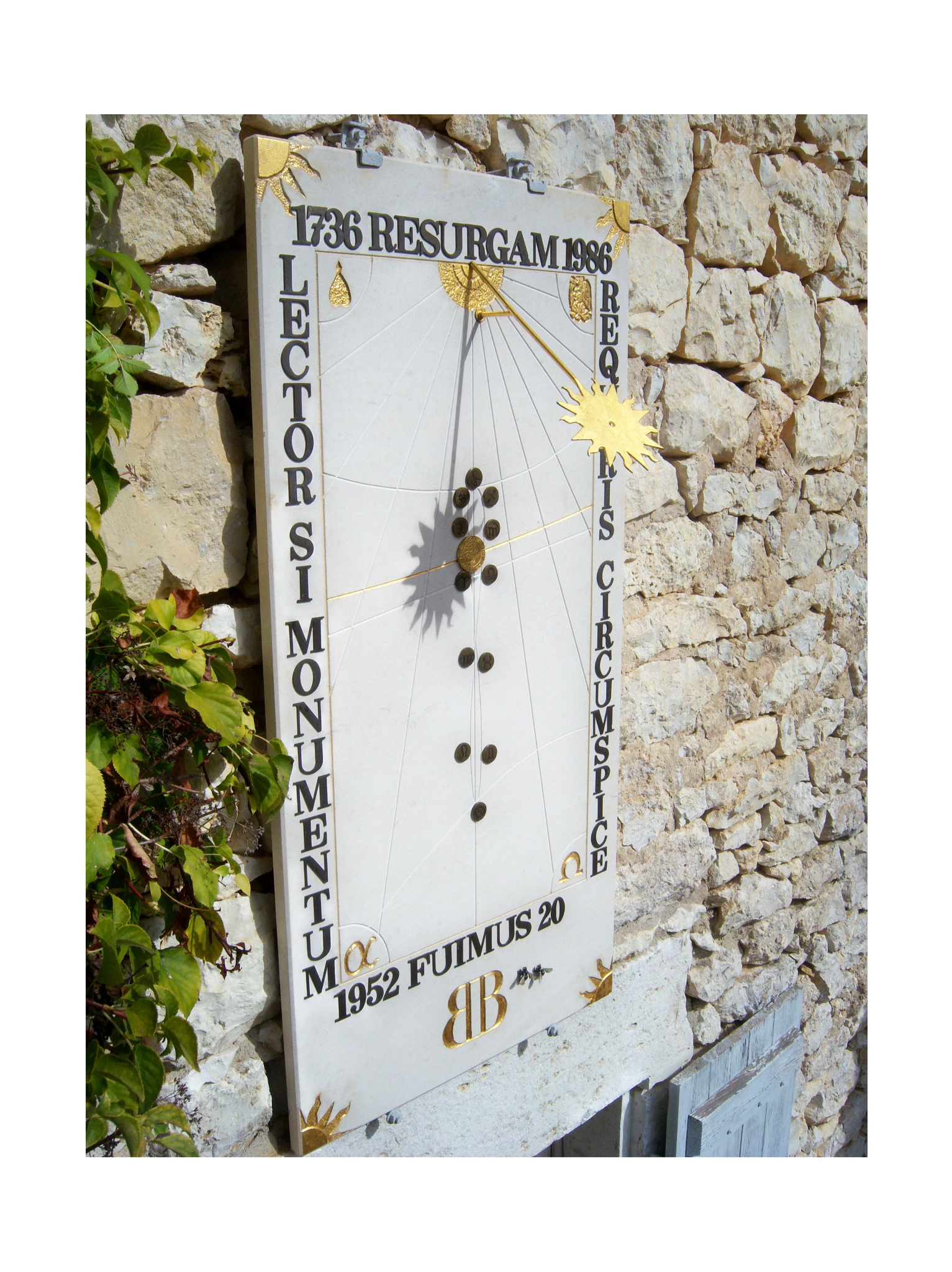
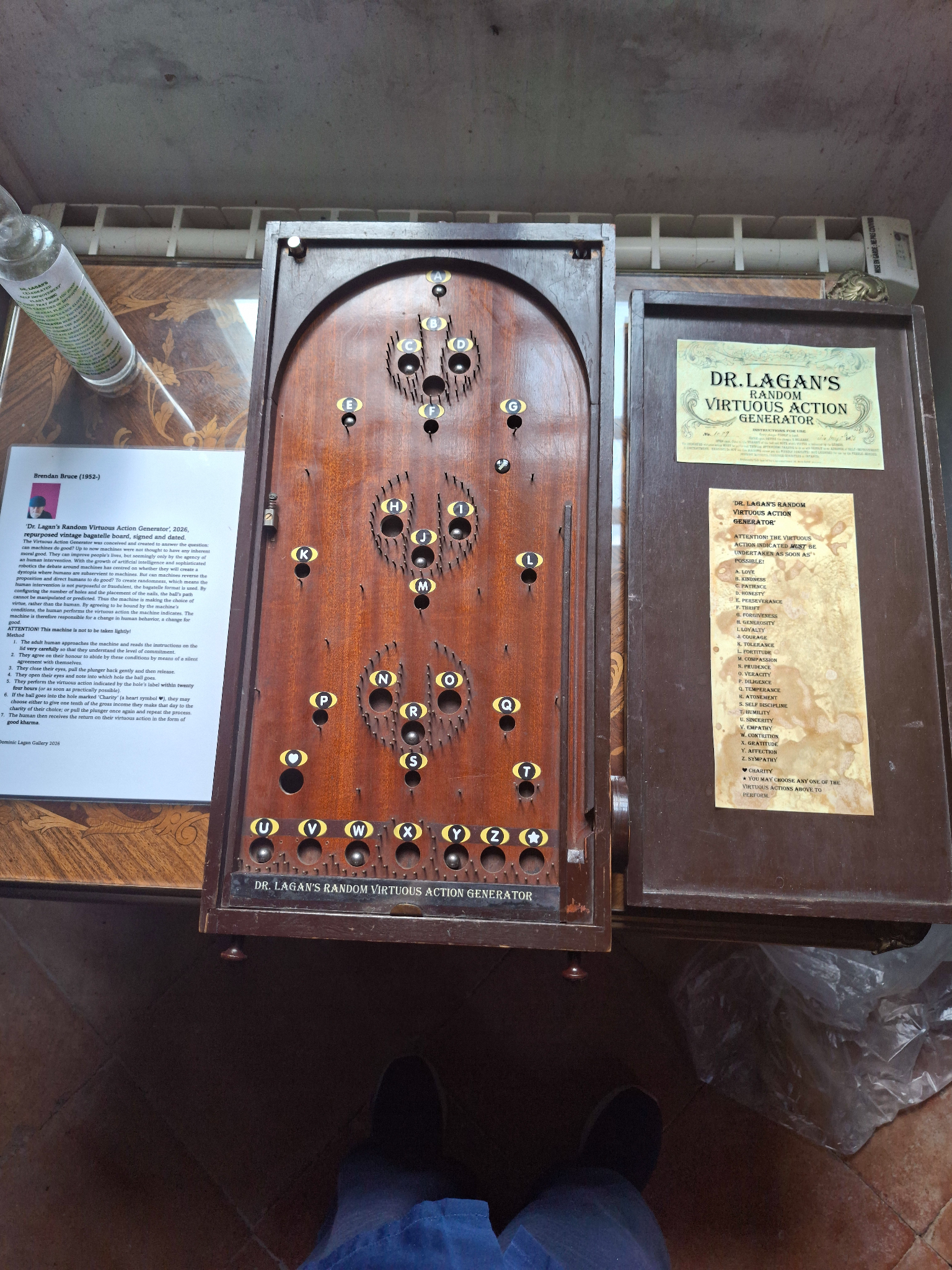
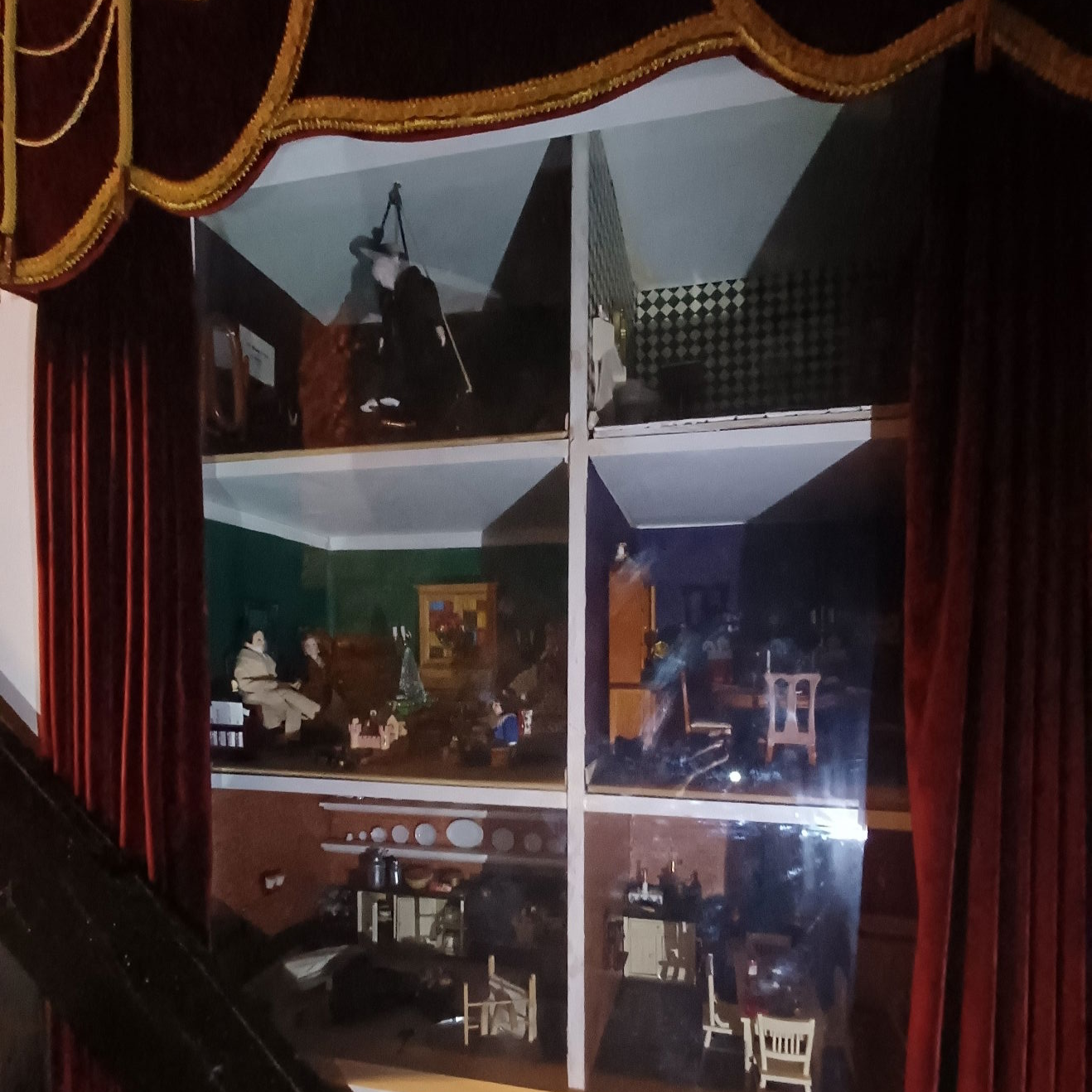
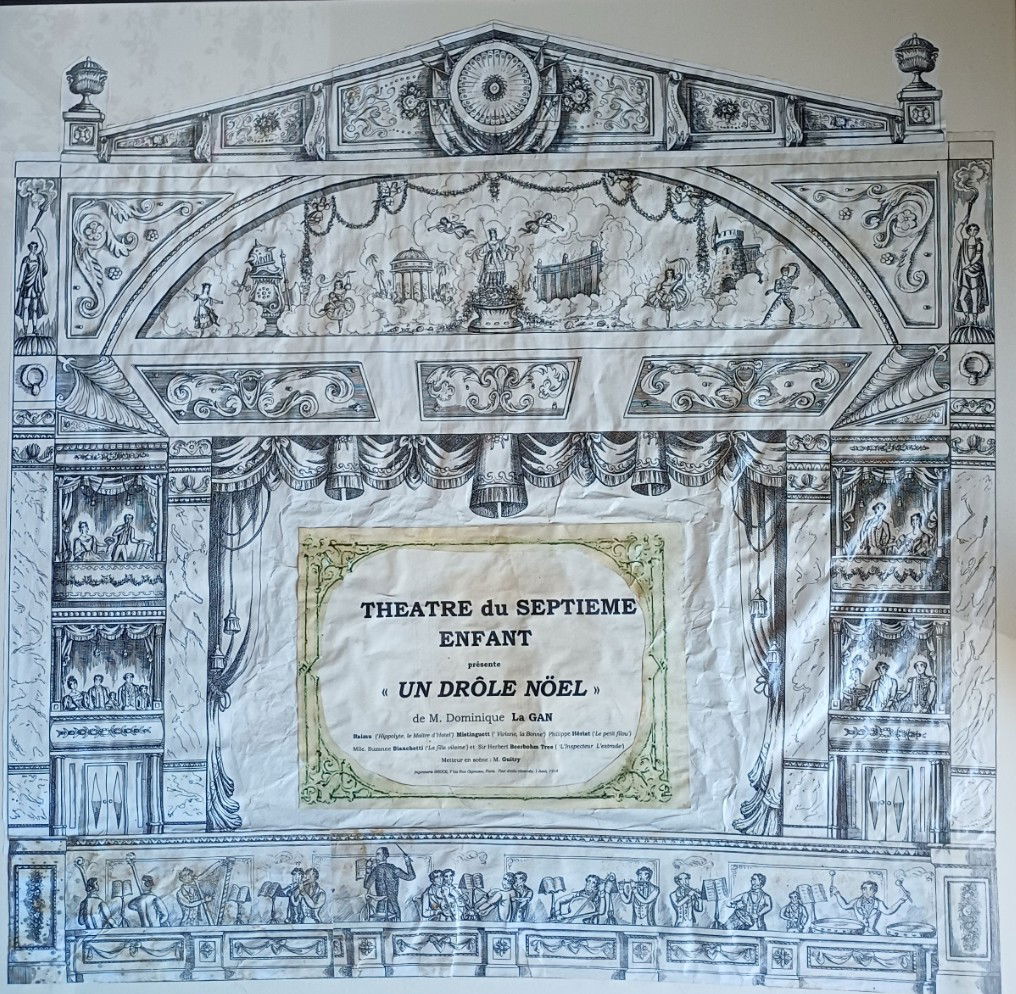
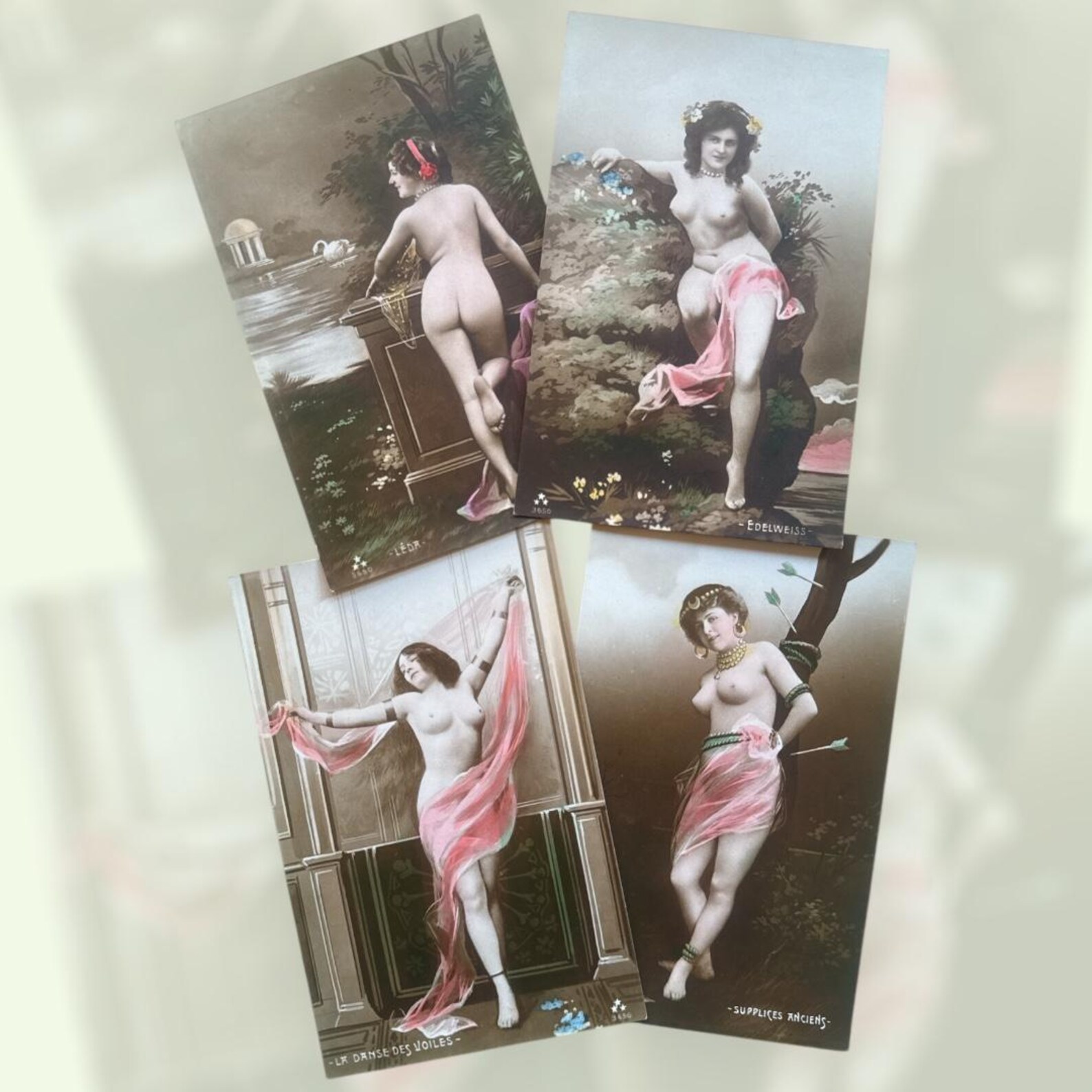
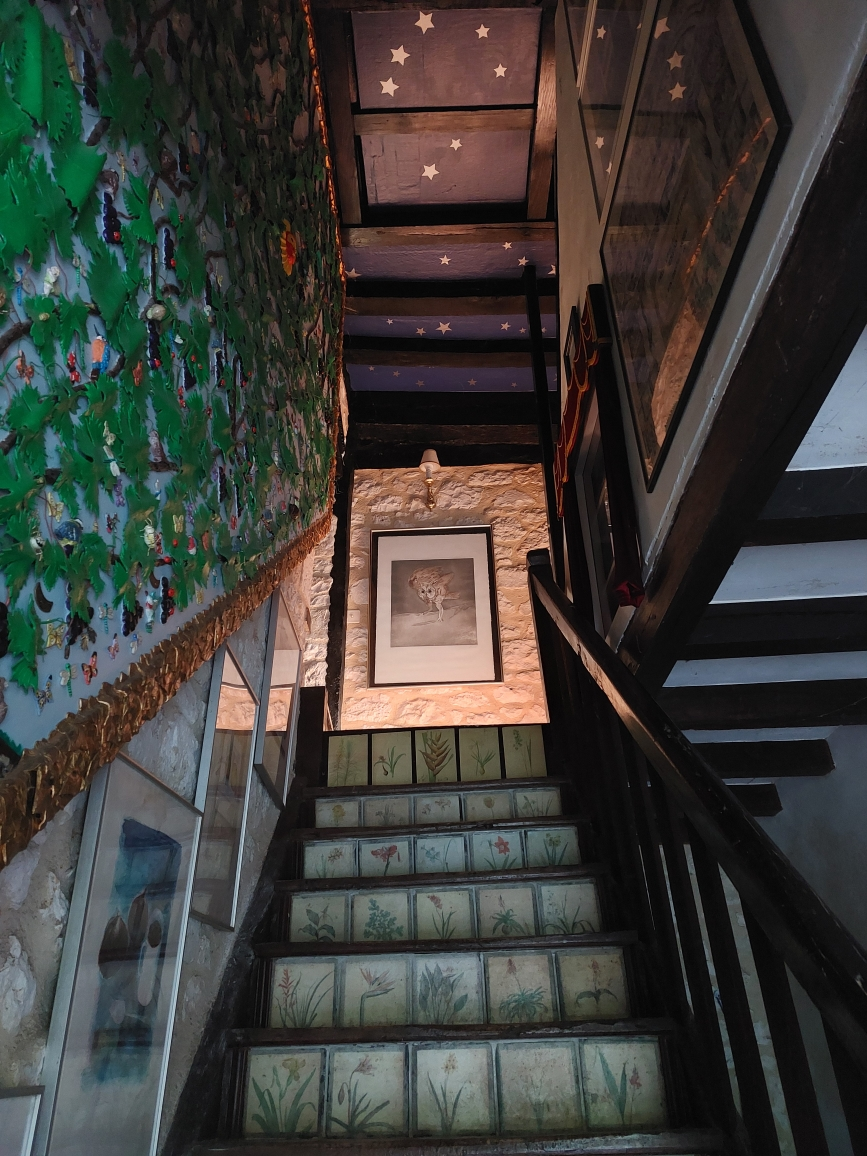
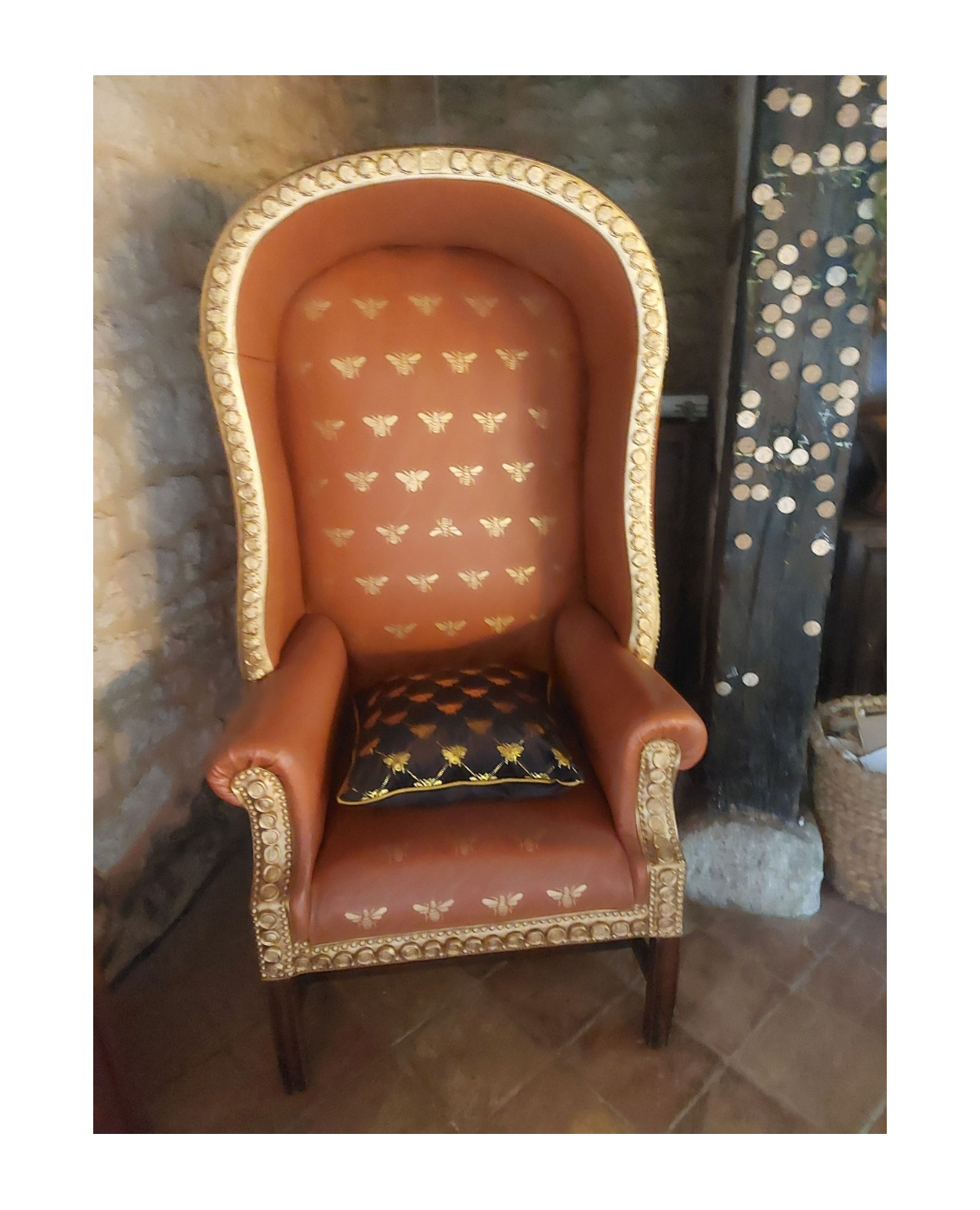
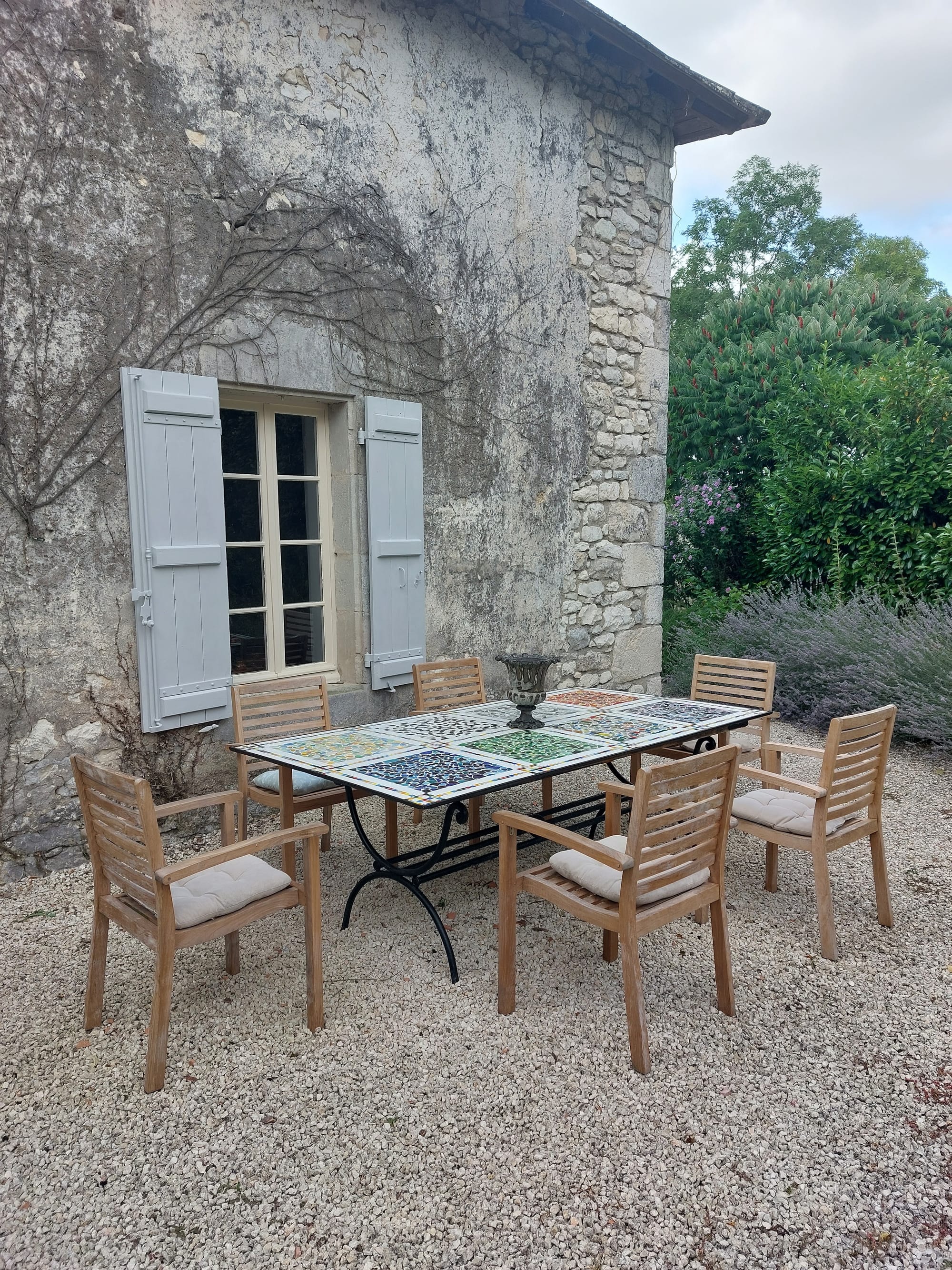
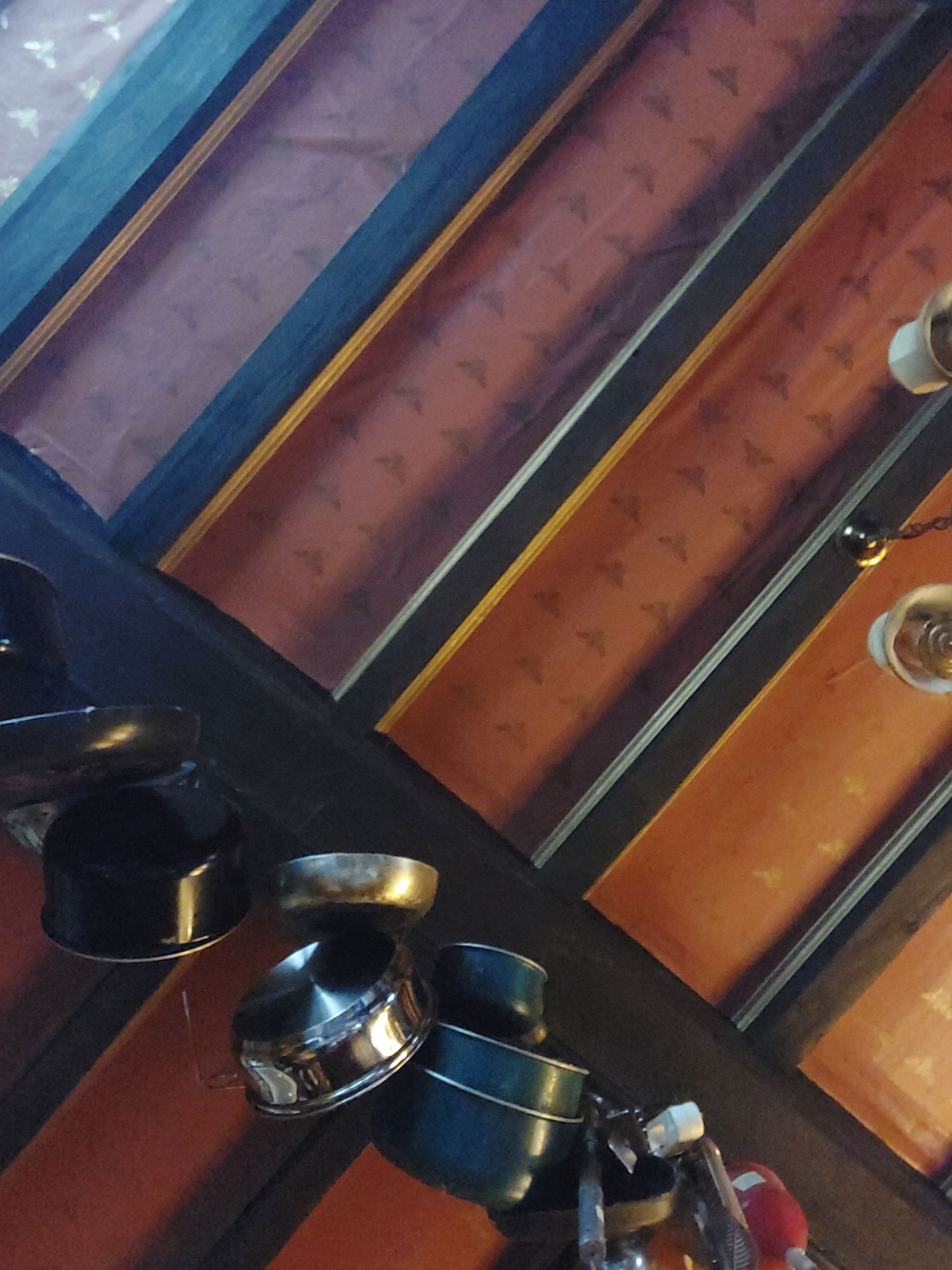
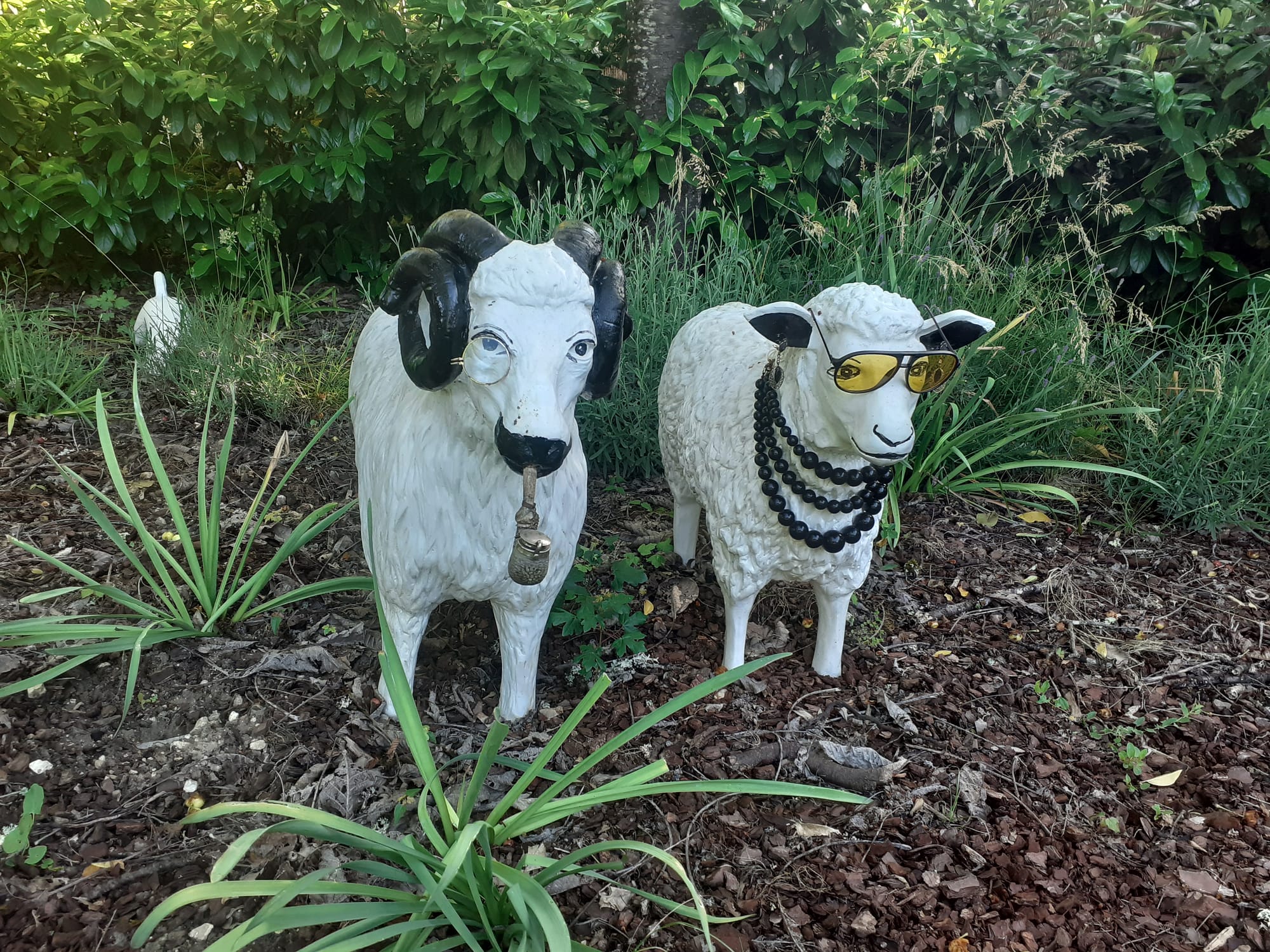
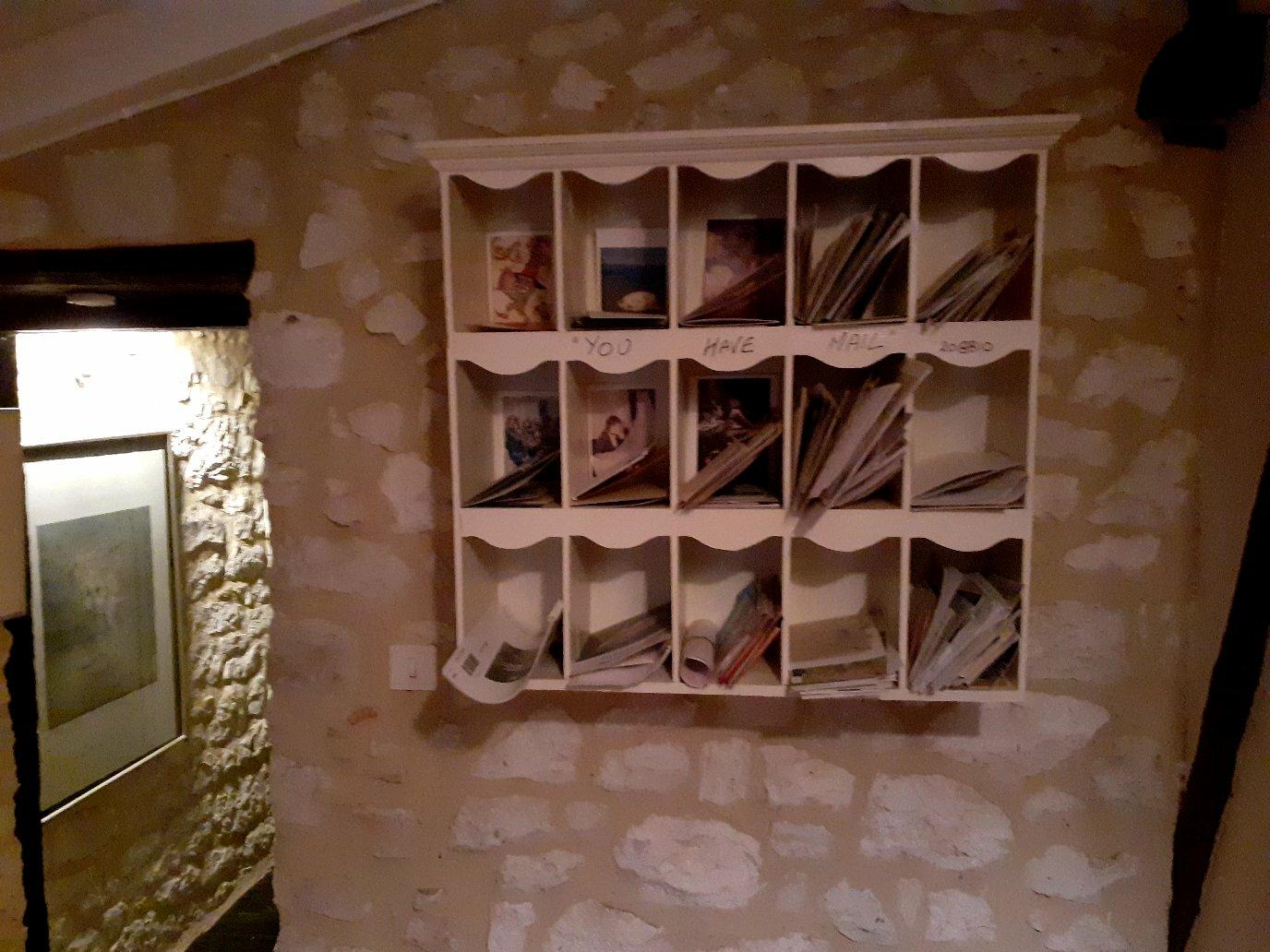
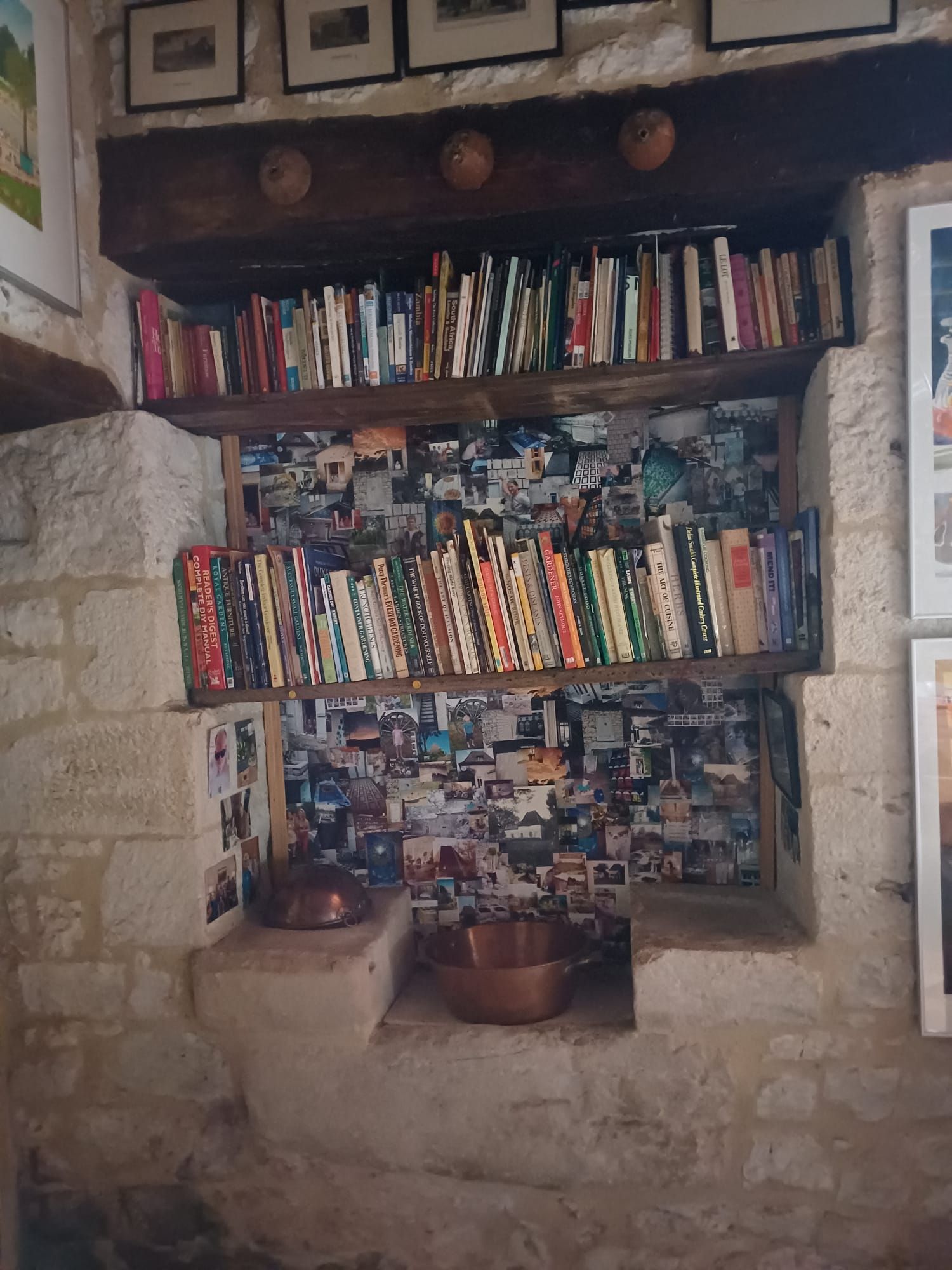
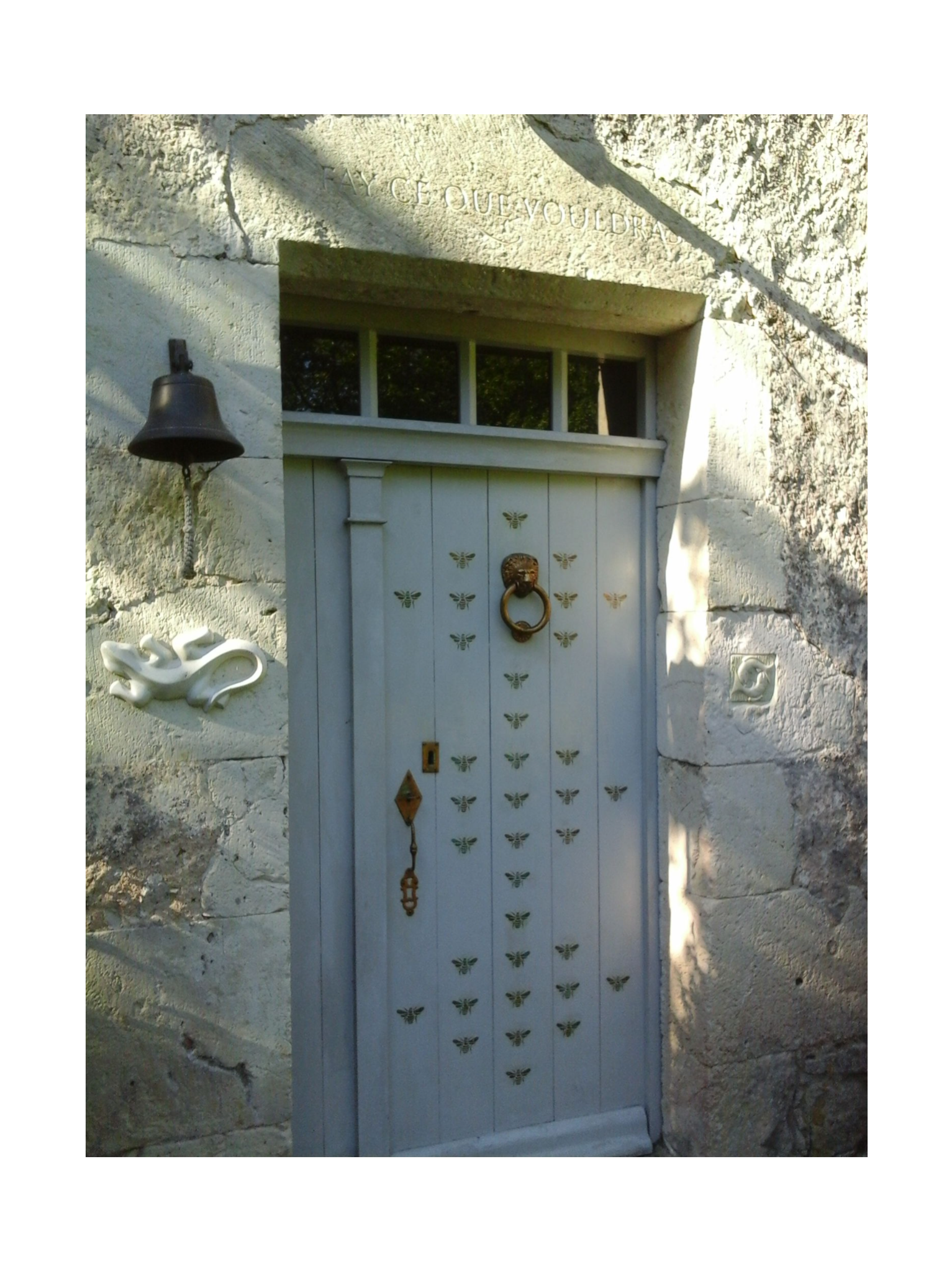
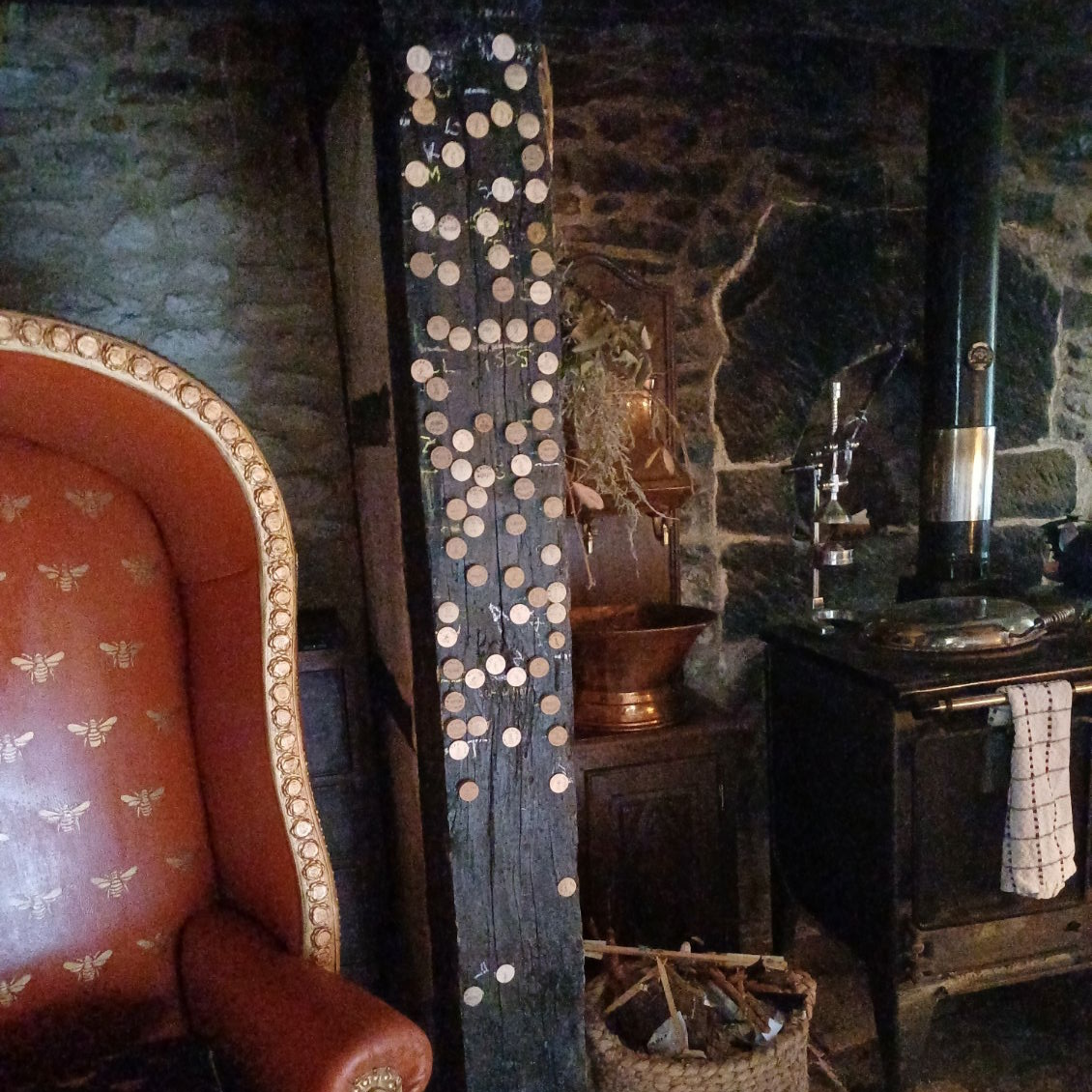
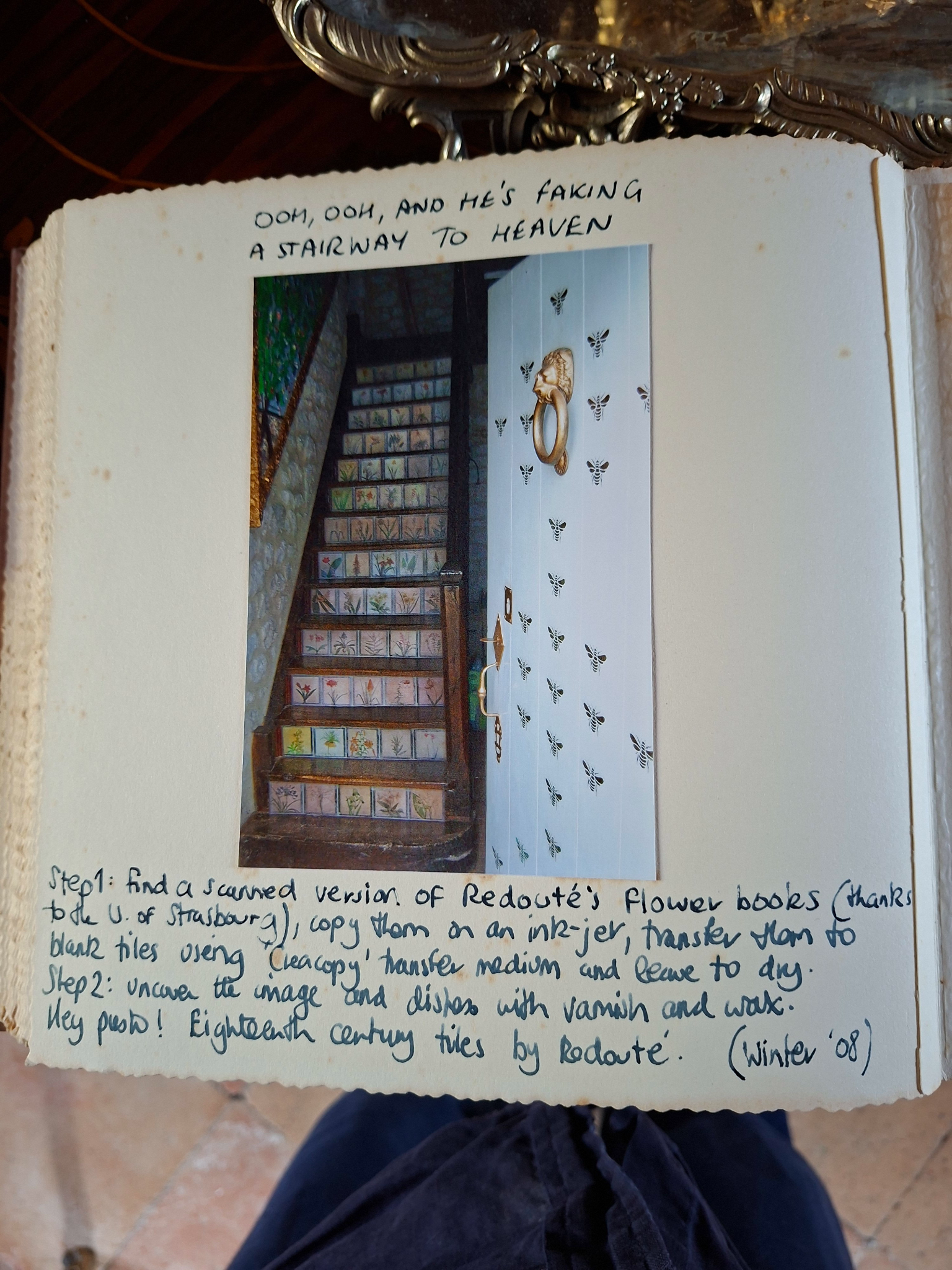
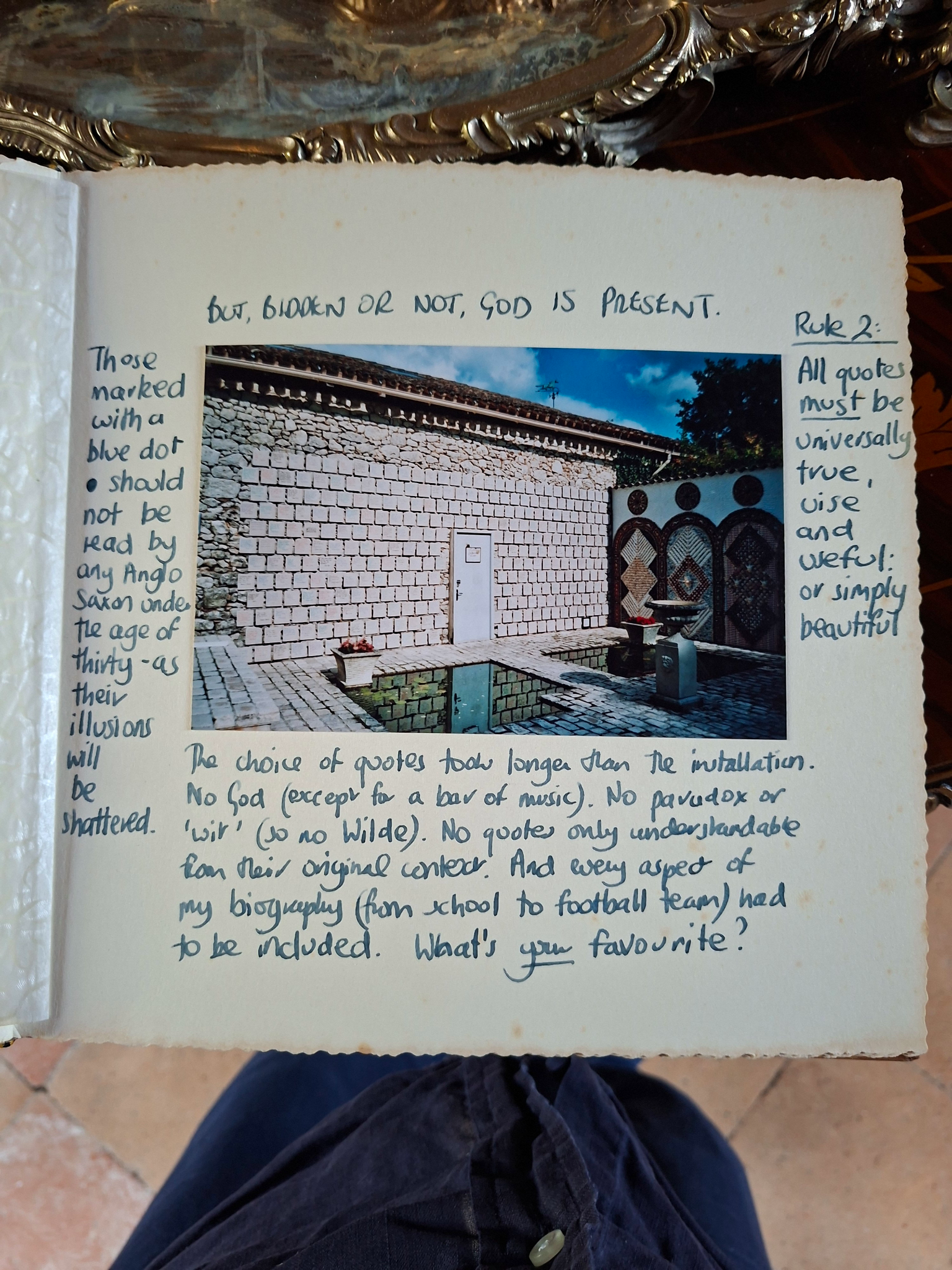
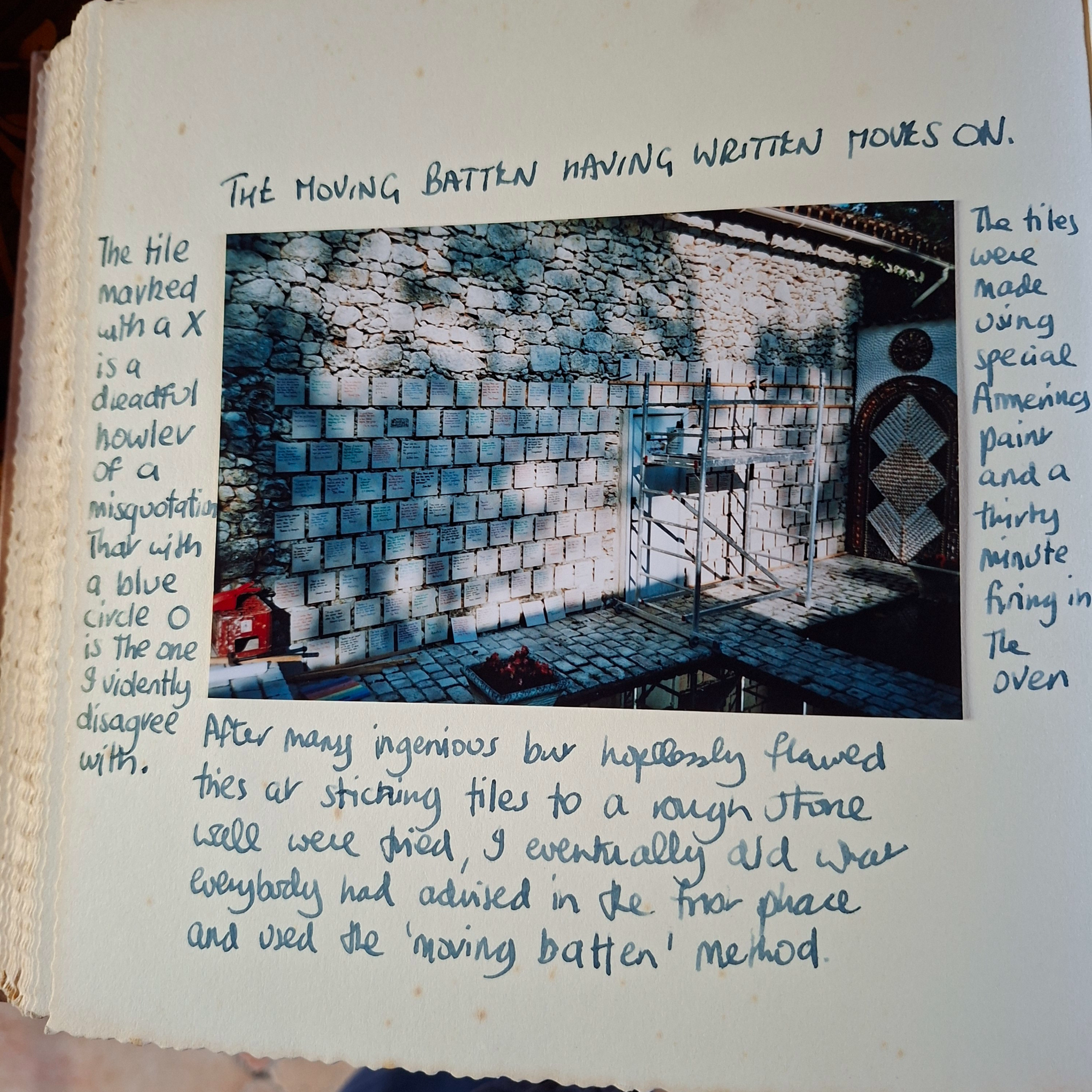
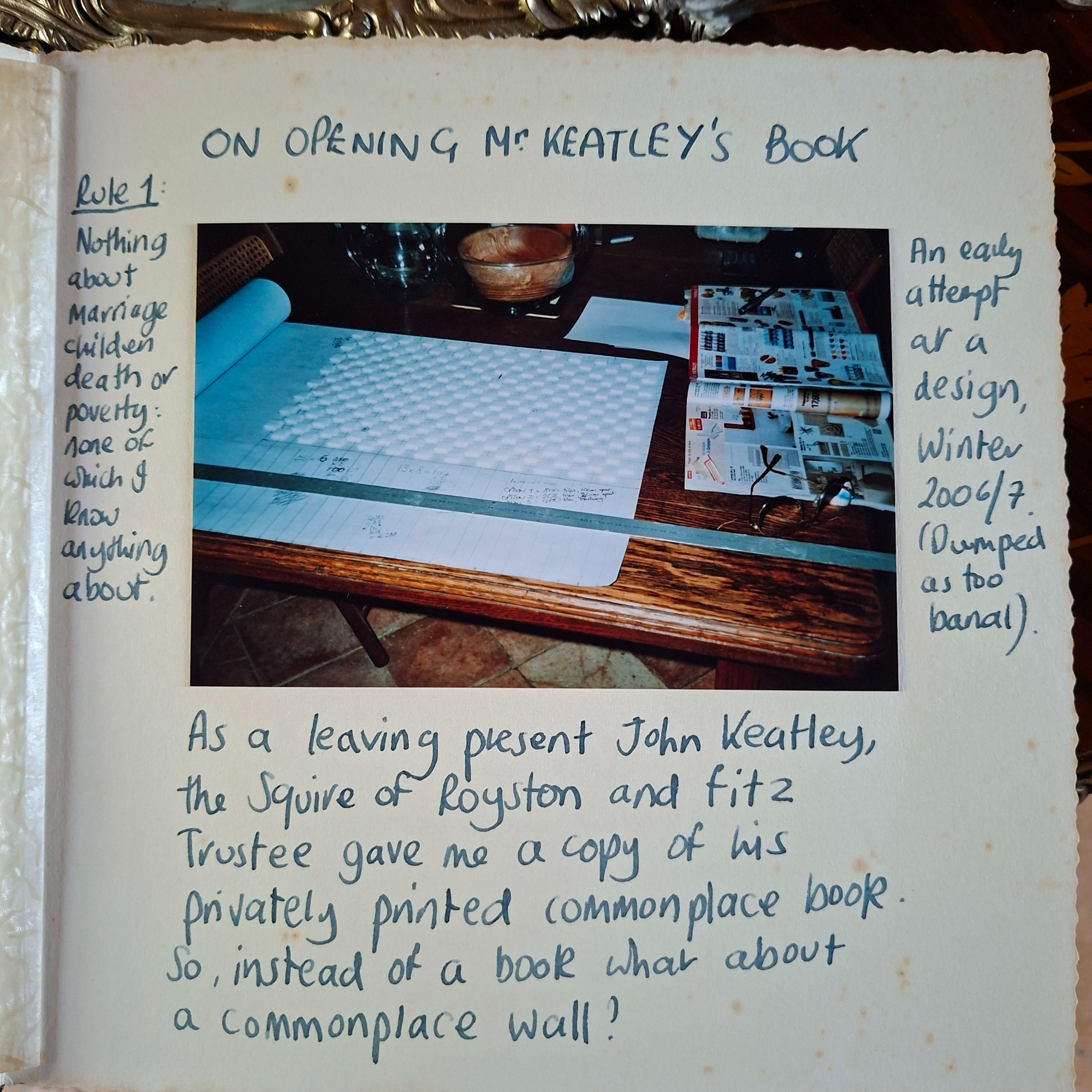
Installations and other works (click on the photo)
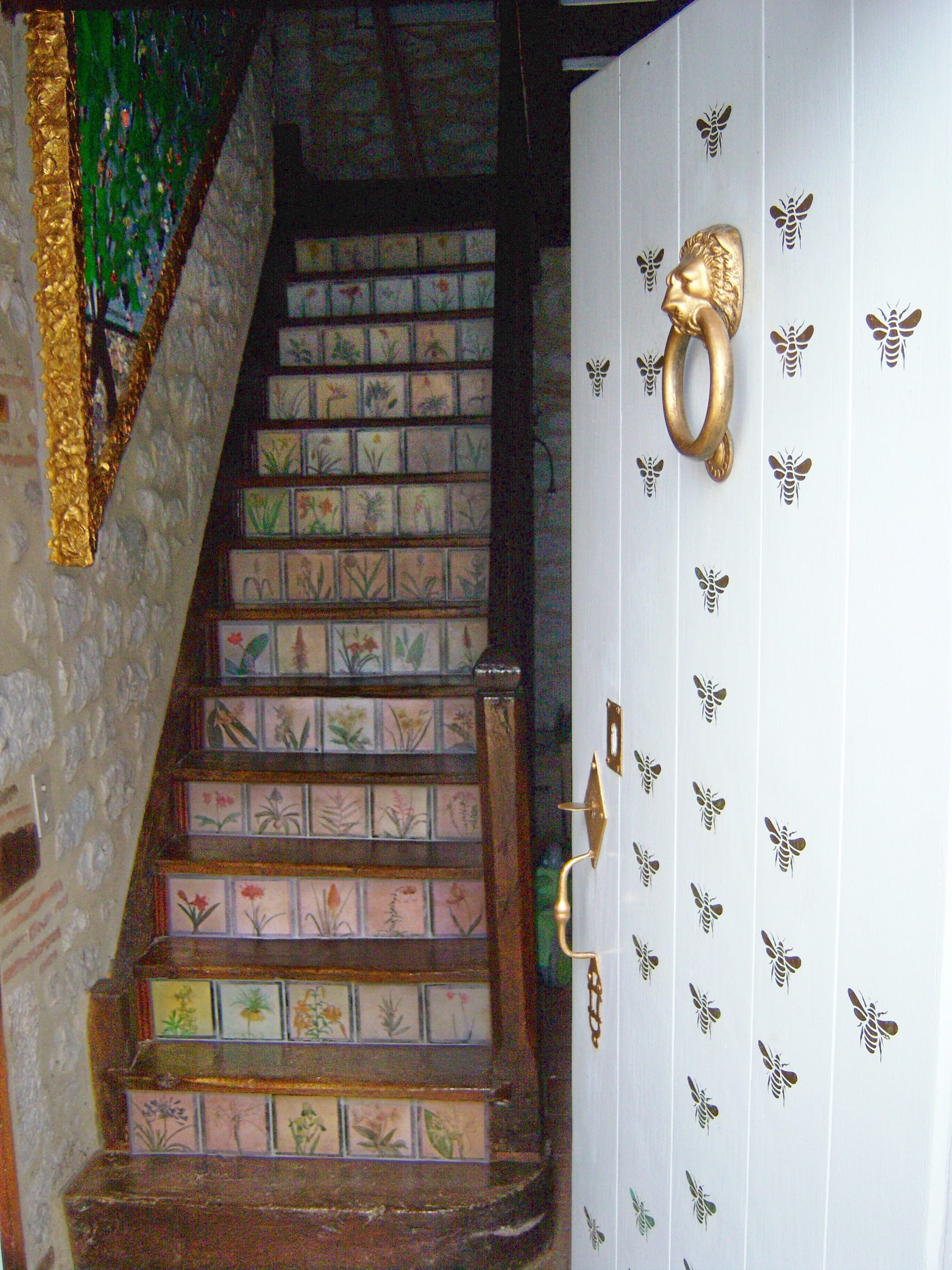
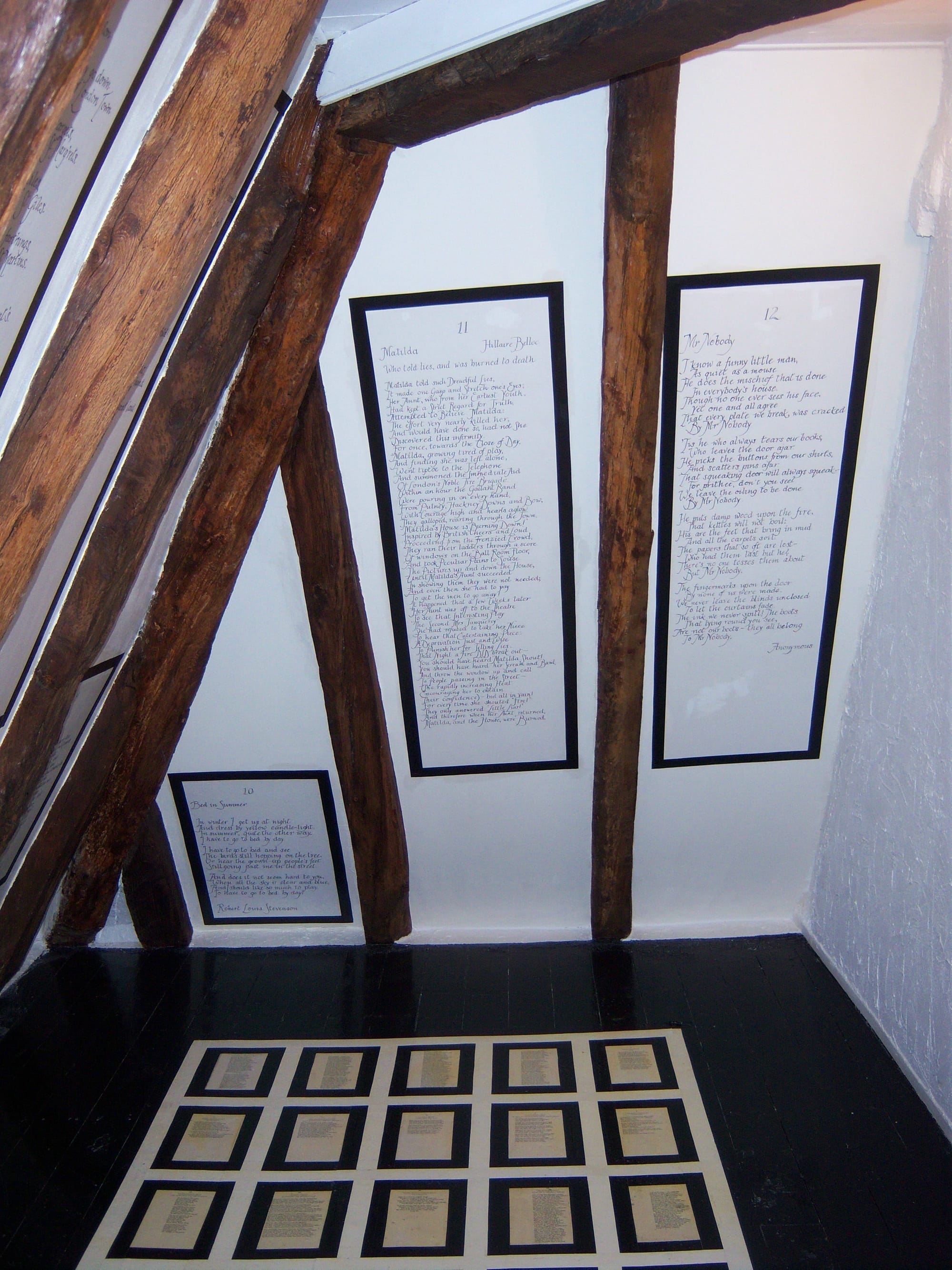
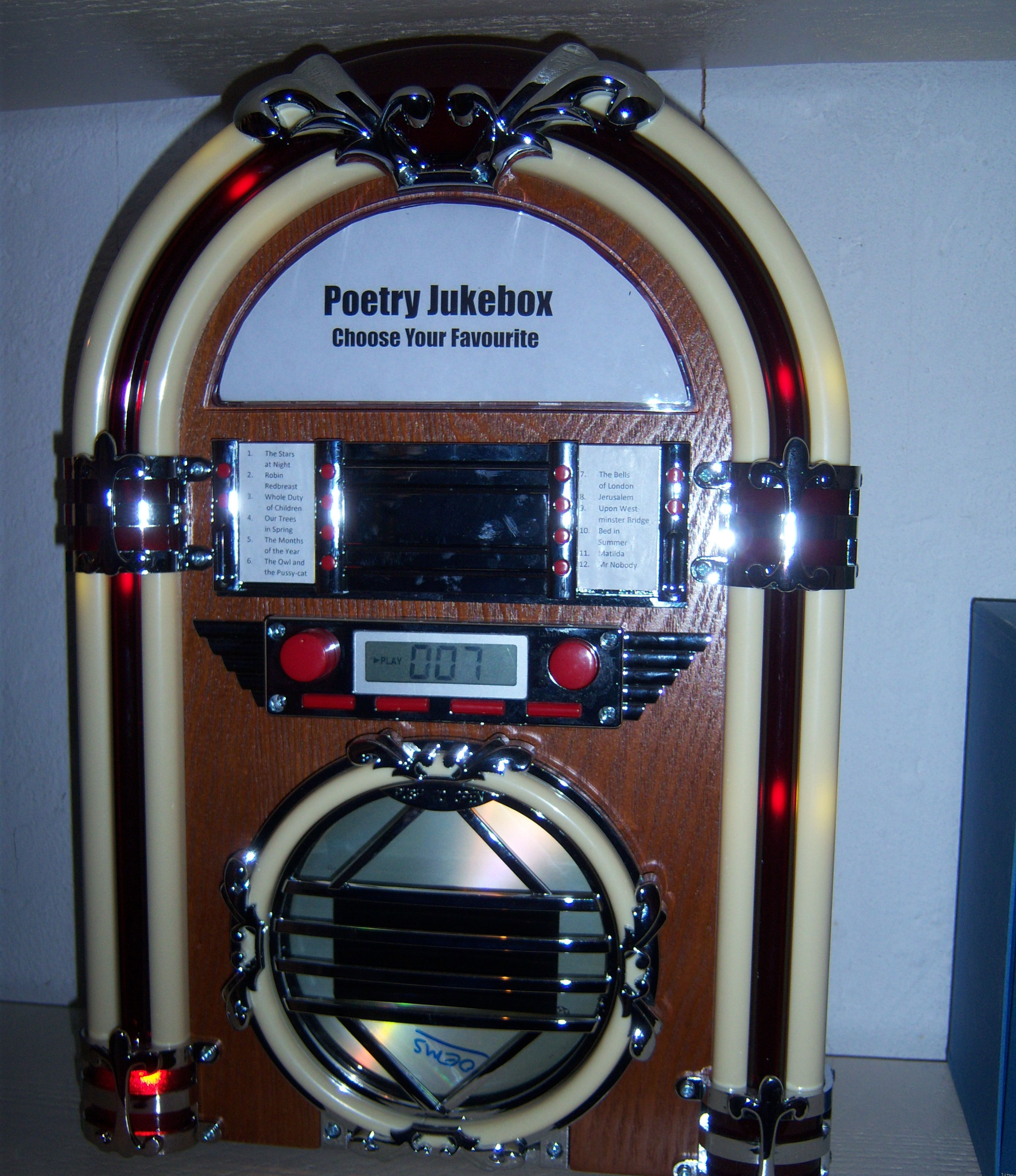
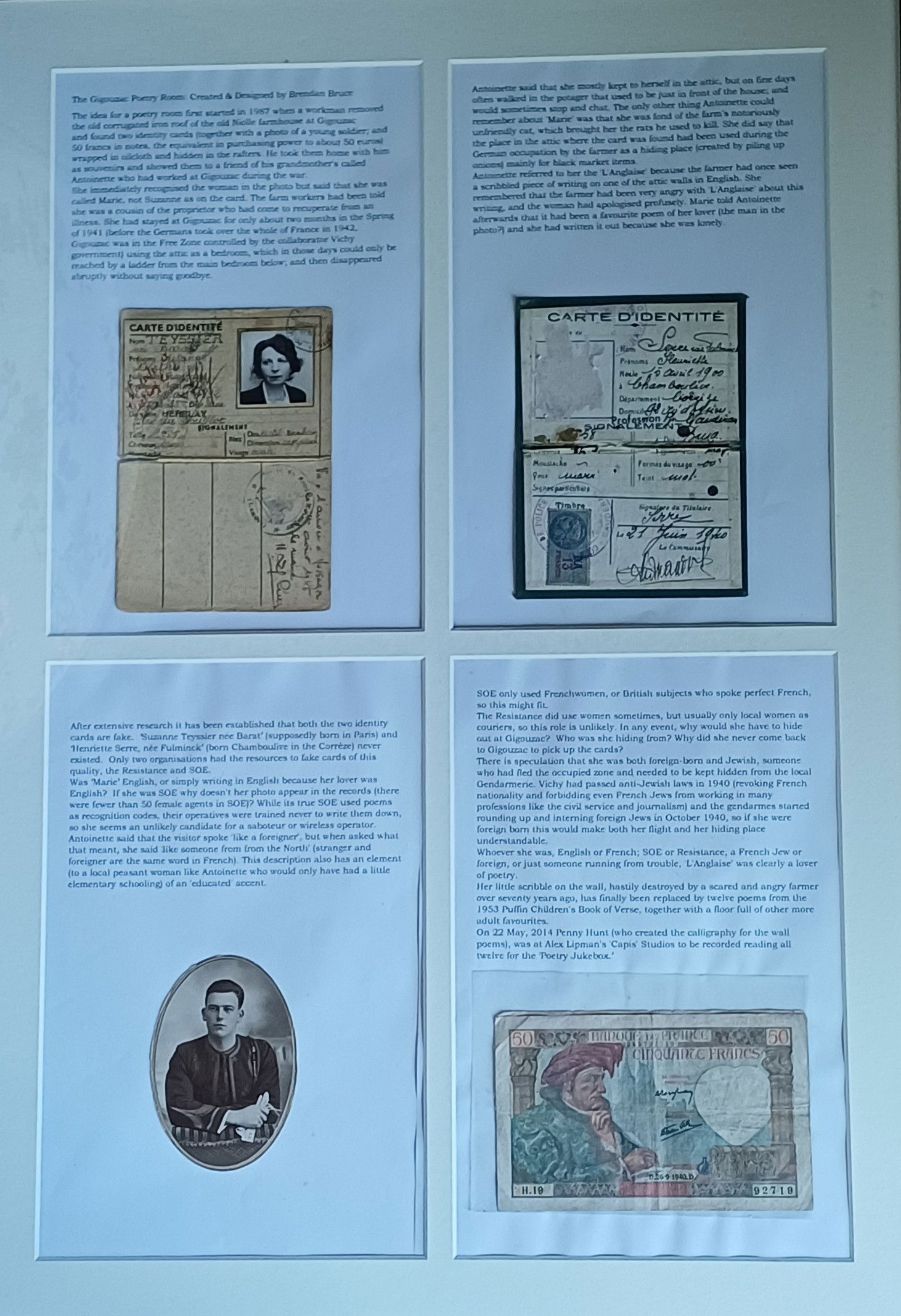
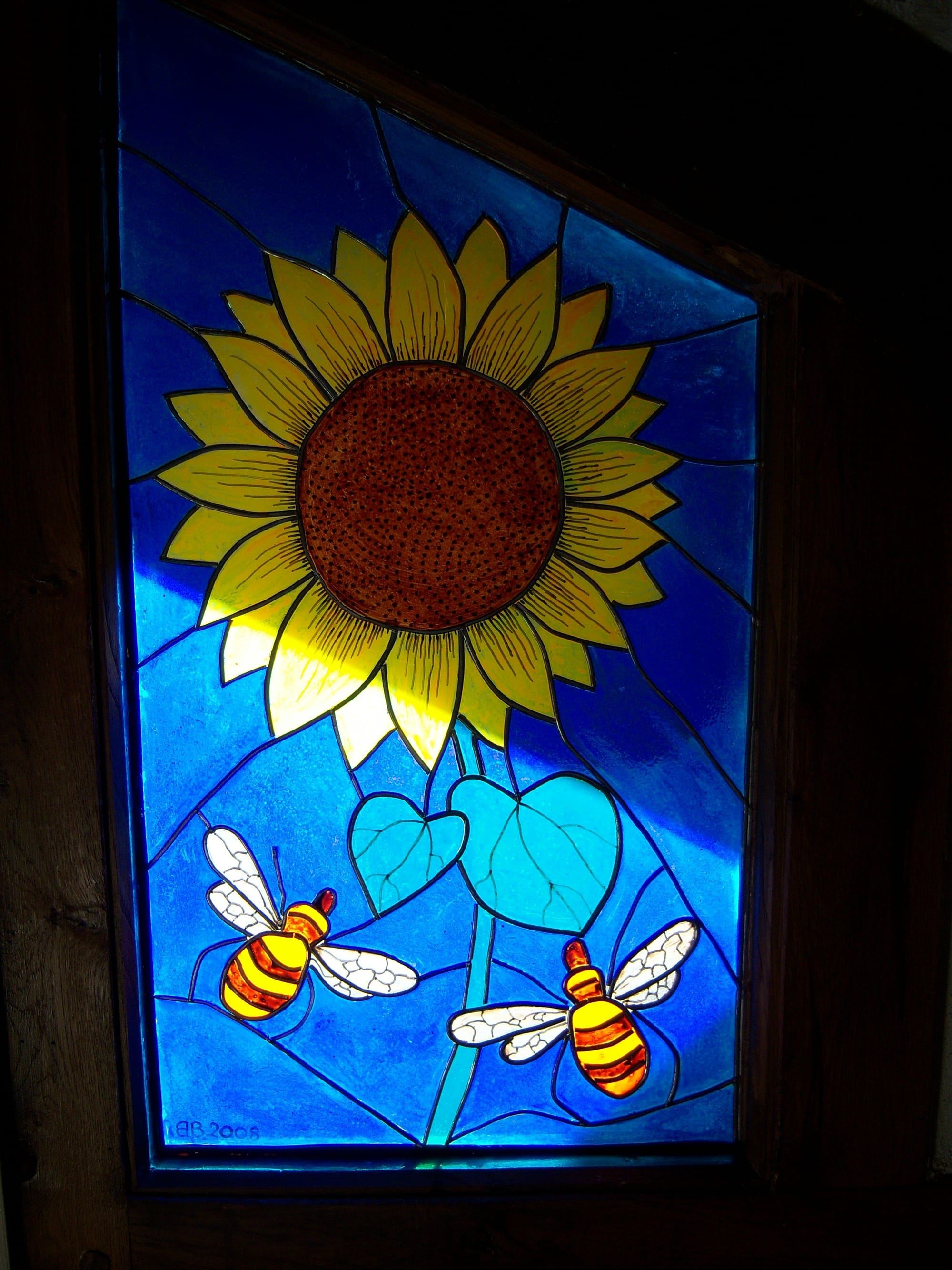
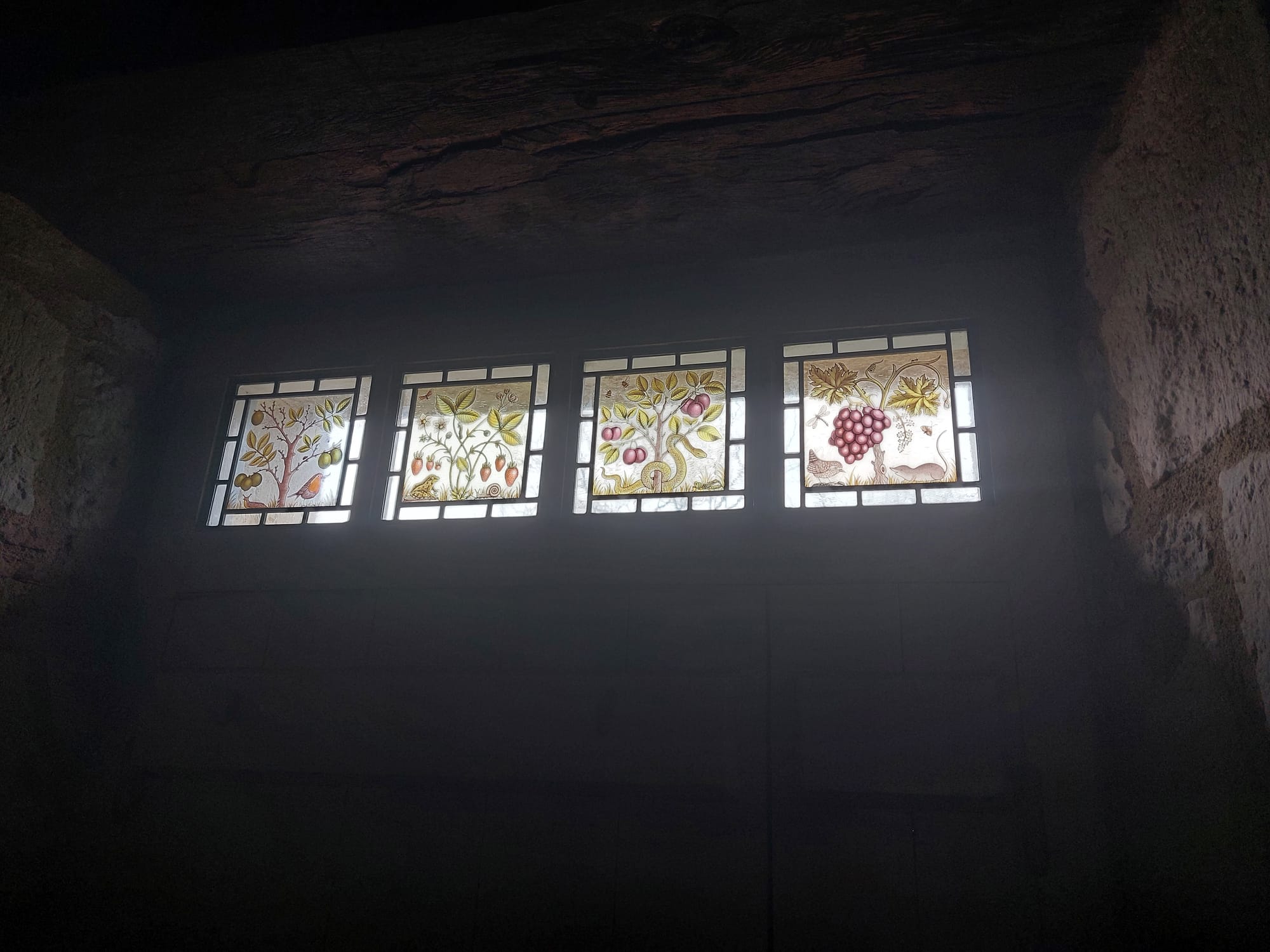

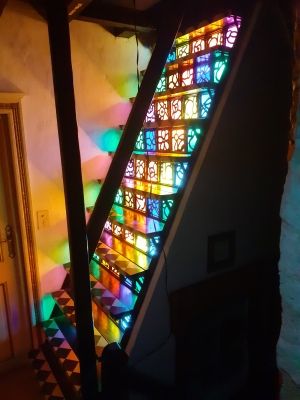
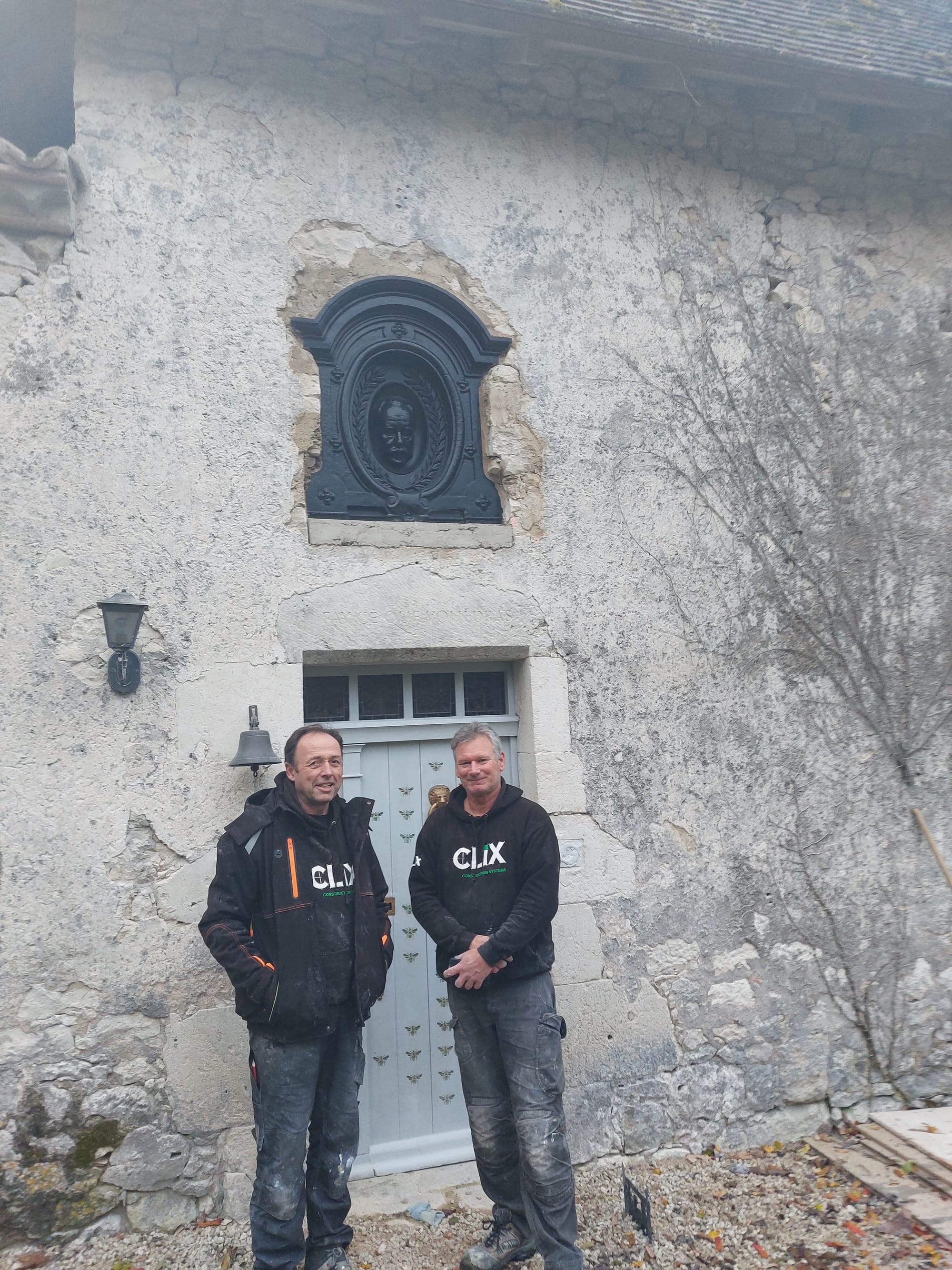
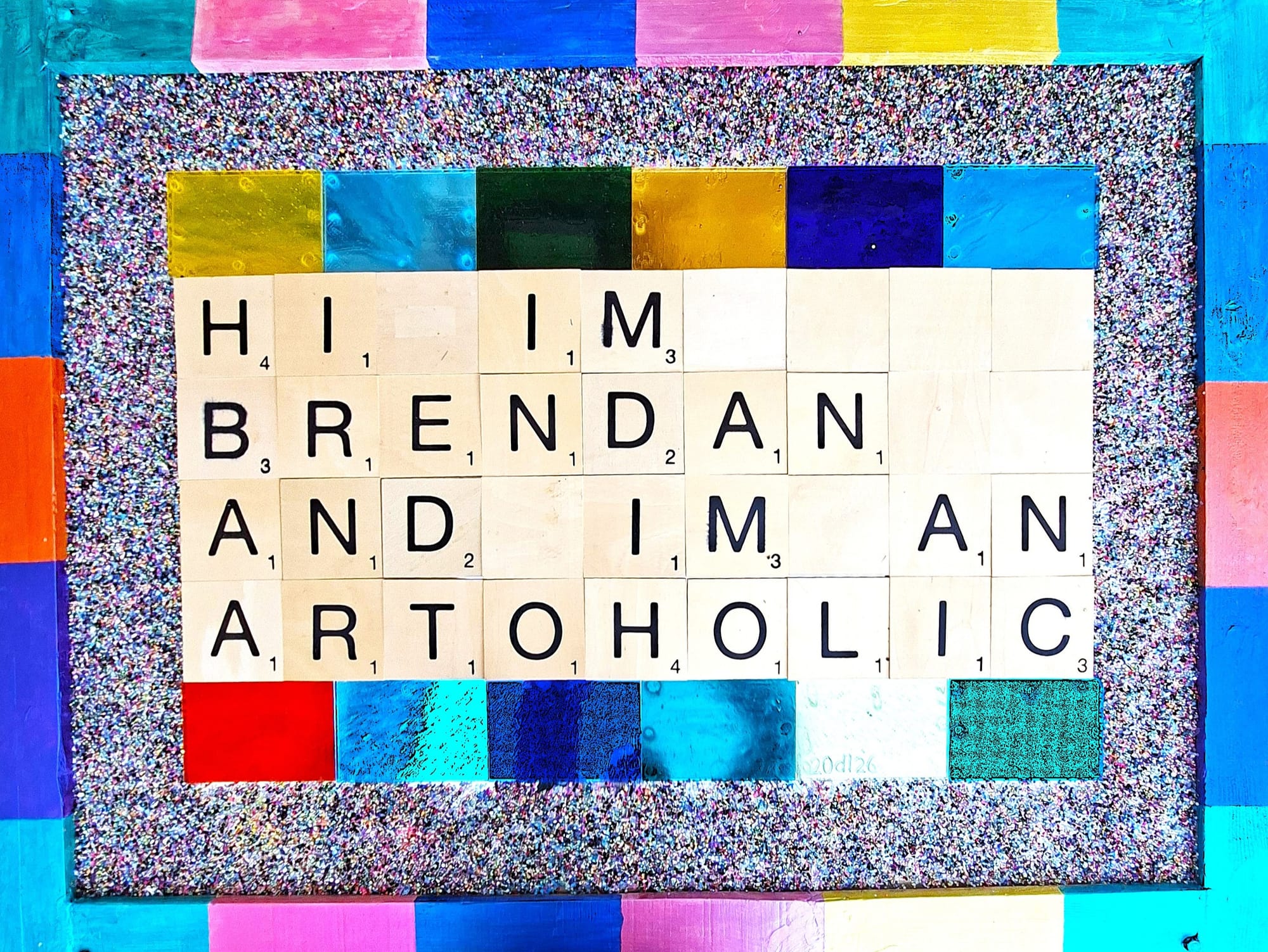
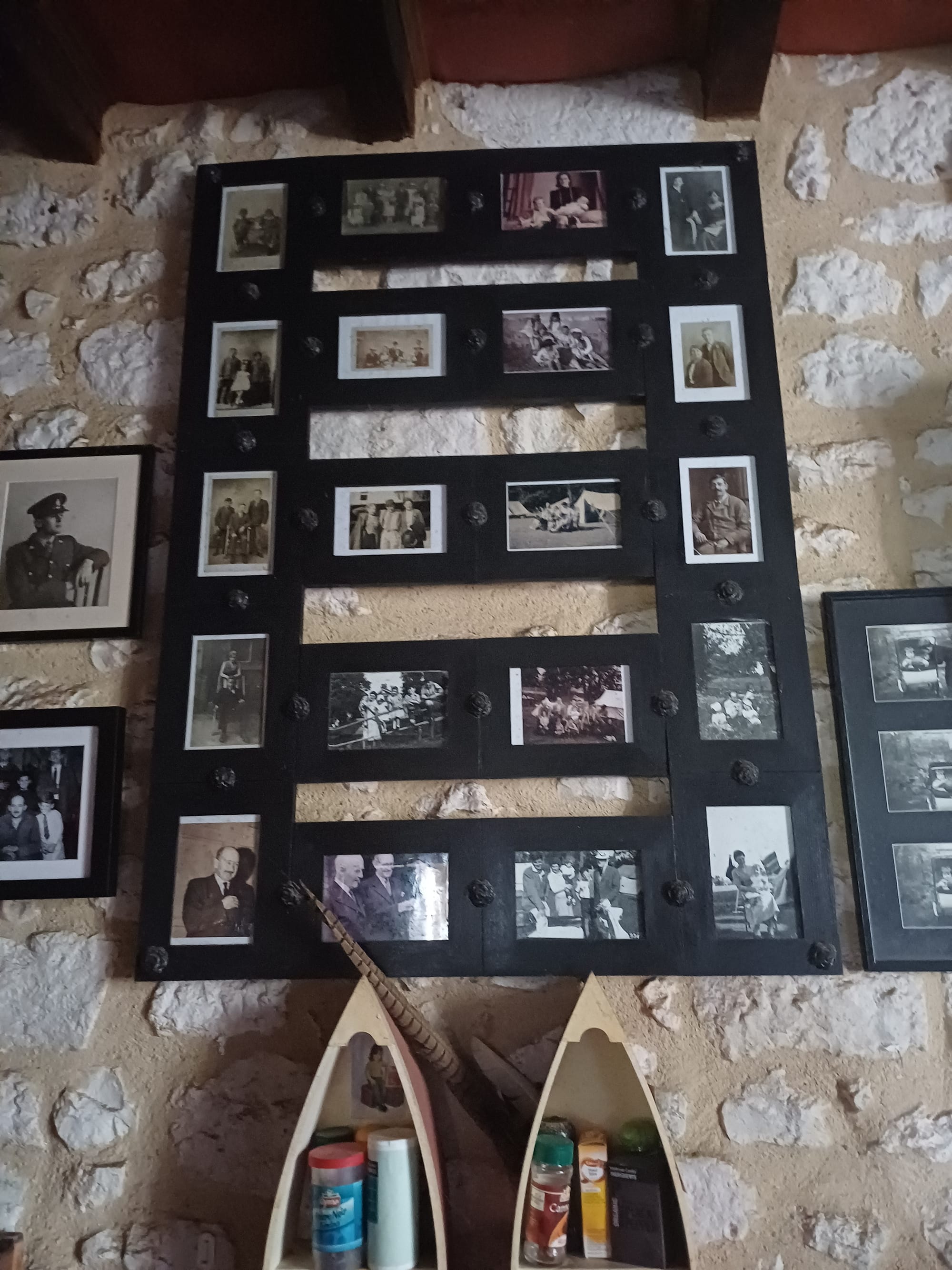
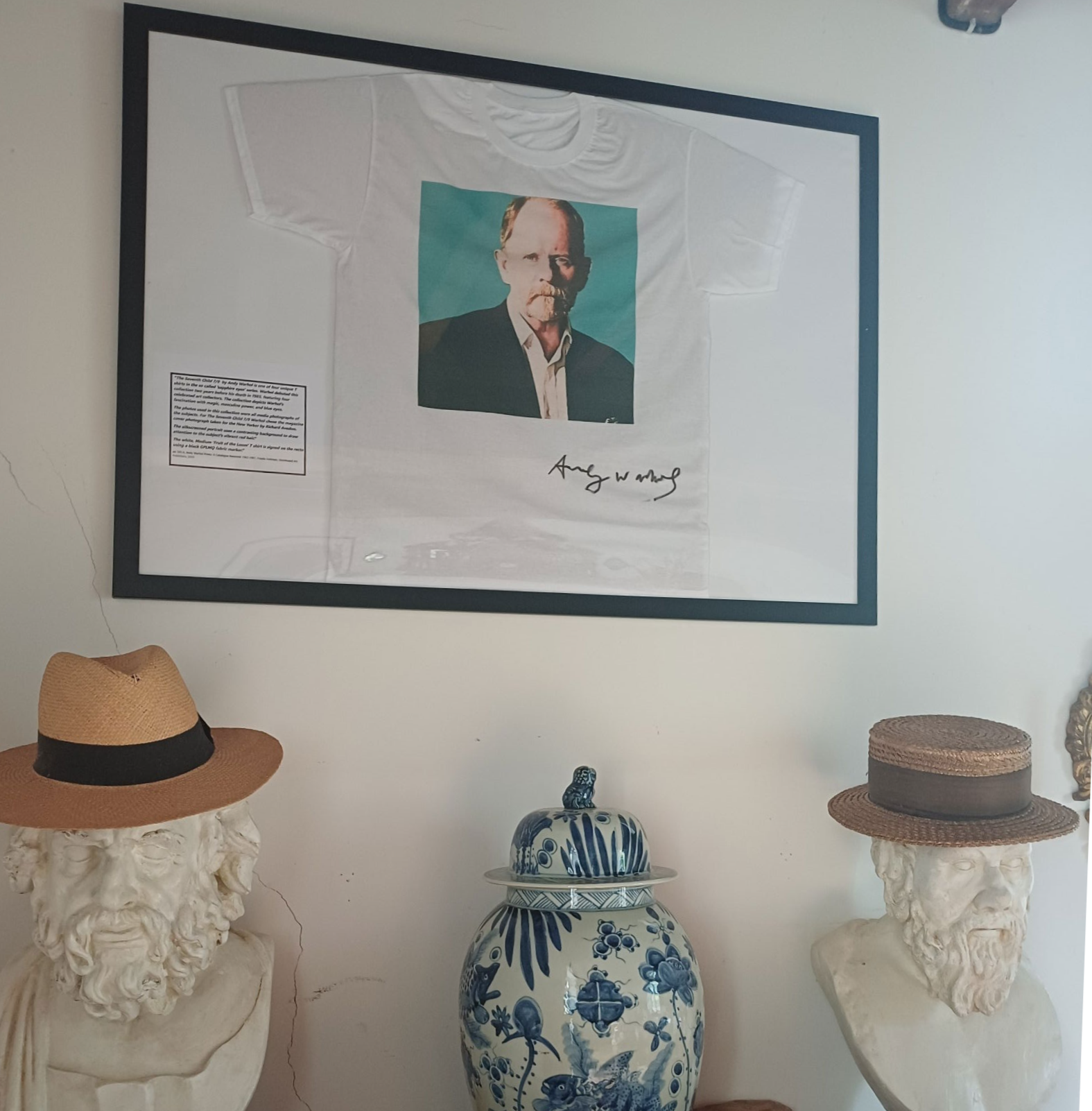
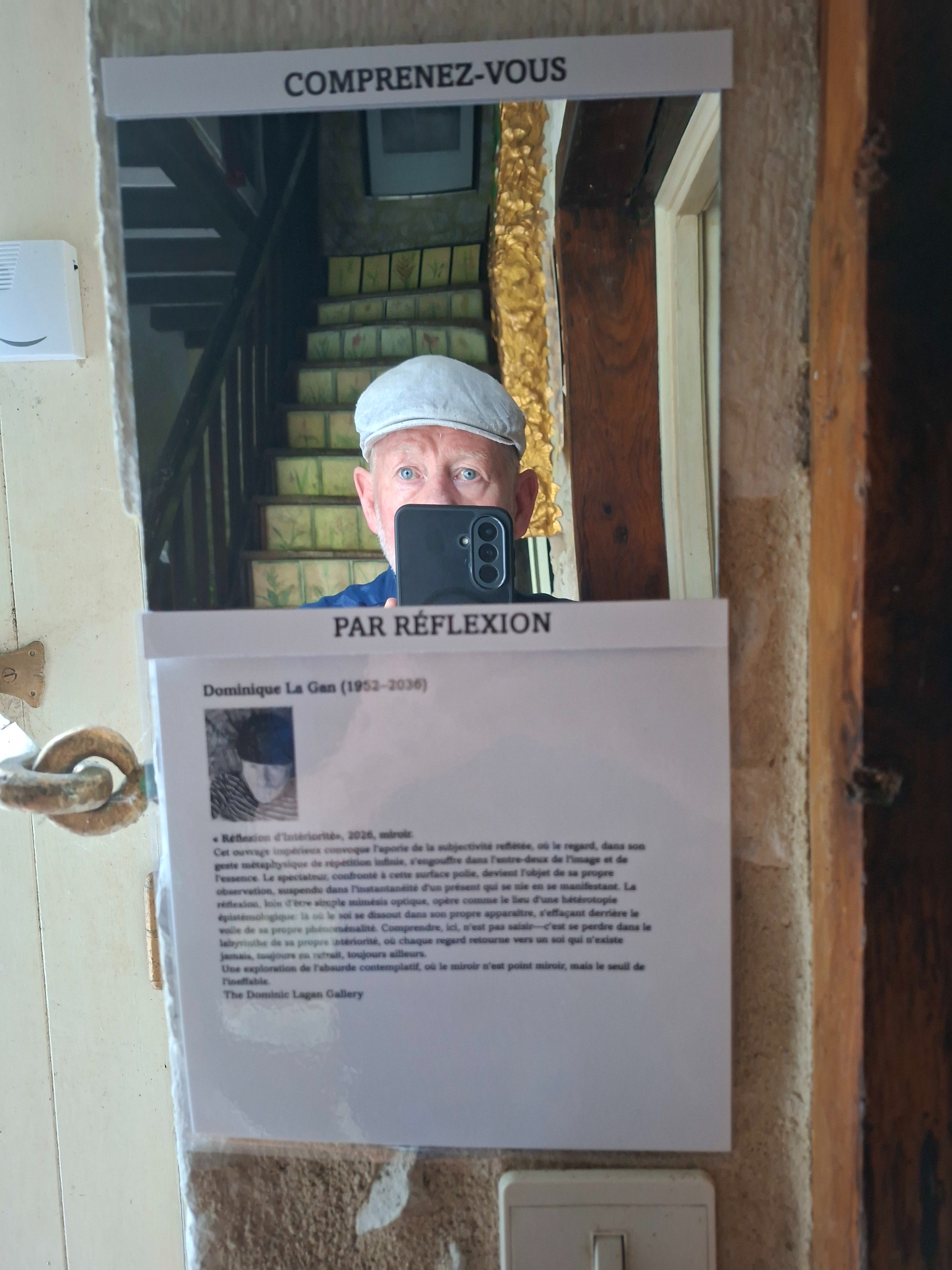

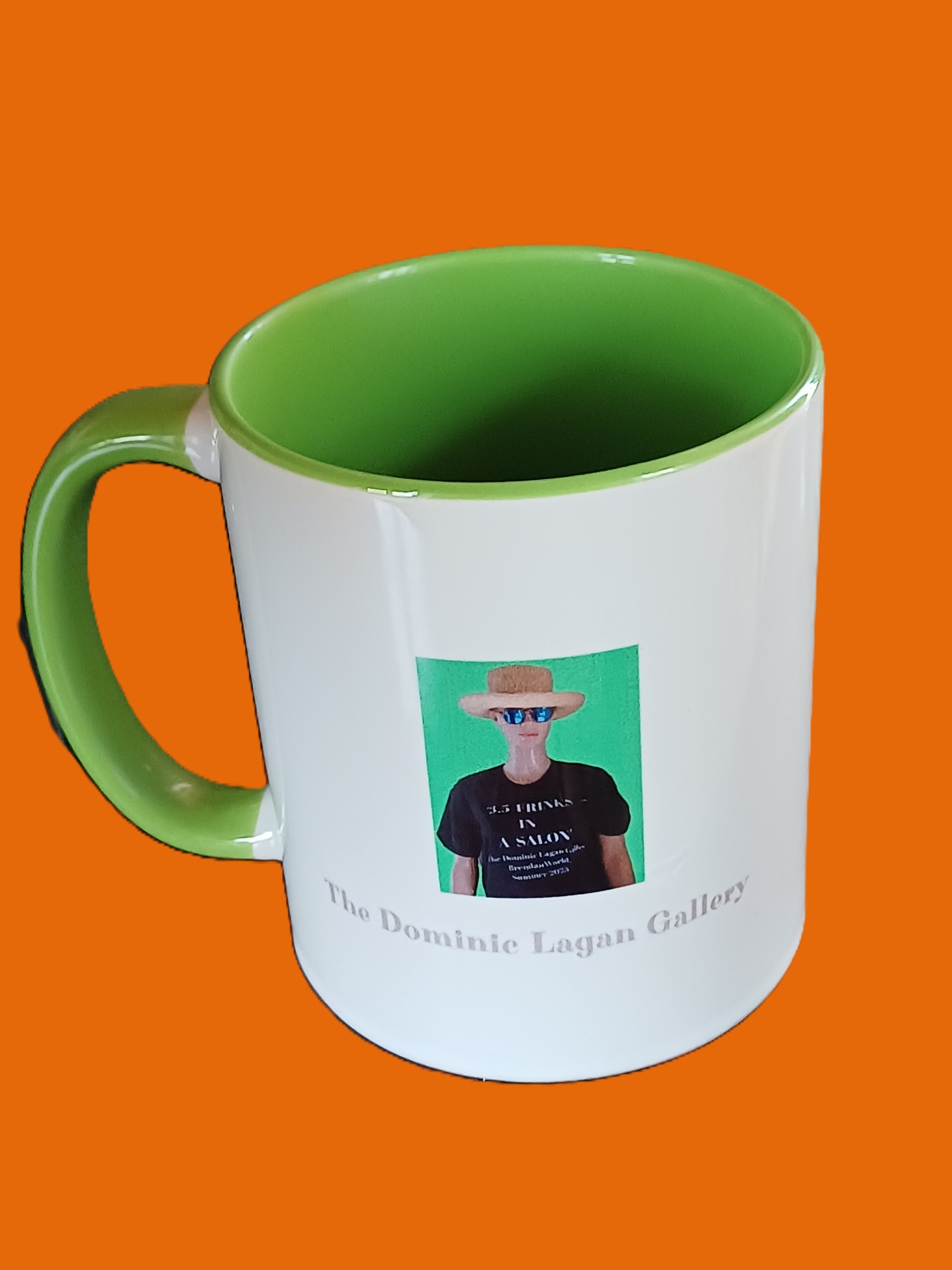
VVIP T Shirts & mugs
FAQs
Who is welcome?
Everybody! Except obvs Gooners, people in tracksuits, subscribers to the NYT, the FT, and/or Caravanners Monthly, plus Guardian readers, "the idiot who praises, with enthusiastic tone,
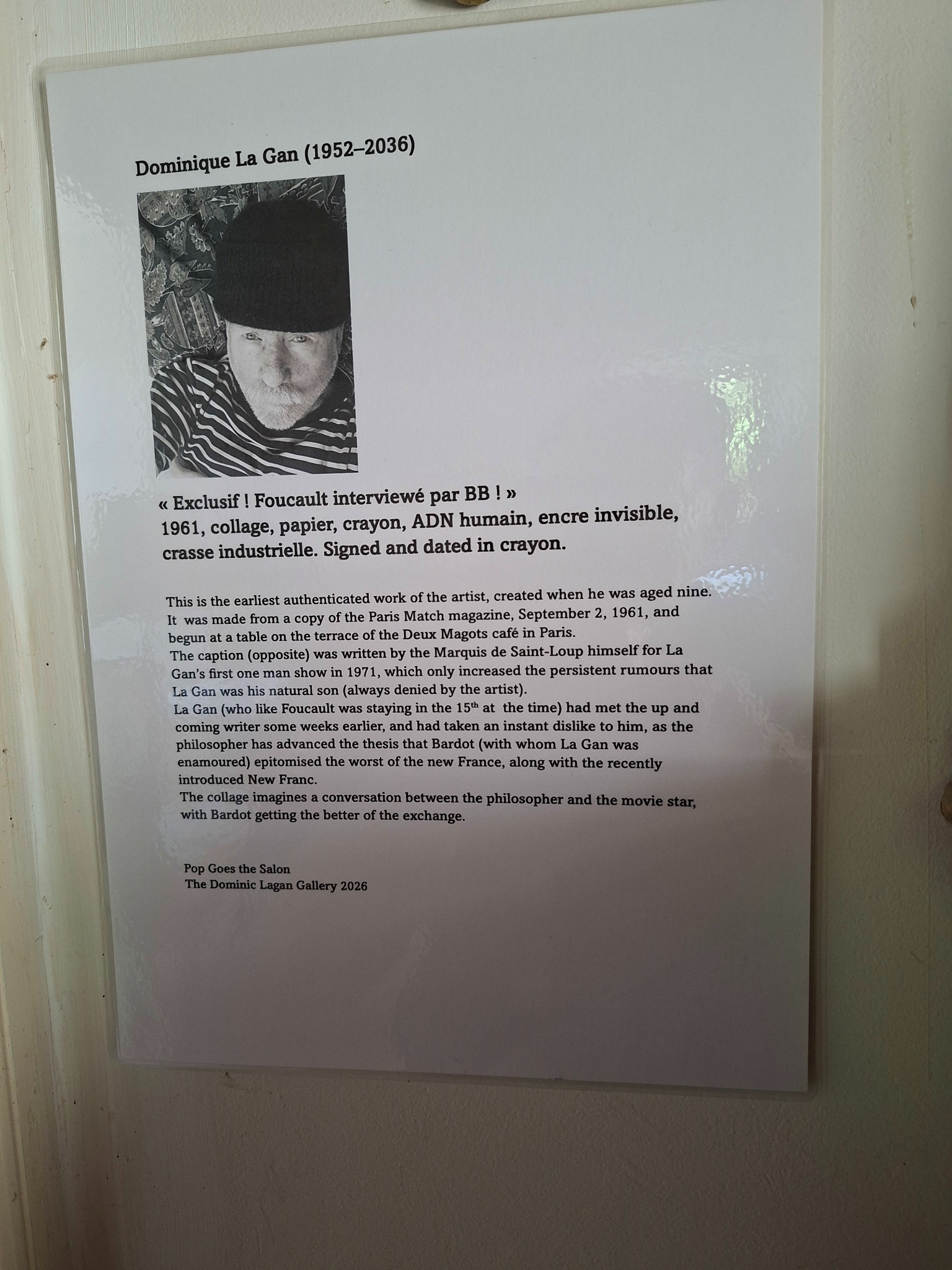
All centuries but this, and every country but his own";* influencers, anyone from Gen X, Millennial, Gen Z or Gen Alpha, people who say 'like' in the middle of sentences, online scolds and language police, those with social media accounts ending in the word Tok, slogan‑only politicians, corporate DEI careerists, those who use the term LGBTQIA+, followers of Fanon, Marcuse, Sartre (but not Camus, as he once played in goal for Spurs at the Lane under the name Bert Doran), Gramsci, Homi K. Bhabha, Daffy Duck, Nigel Farage and/or Jean-Luc Mélenchon, those with mullets, man buns, tattoos or wearing either Birkenstocks or reversed baseball caps, gangsta rappers, the late Michel Foucault, the next Dalai Lama (he is bound to be a Chinese puppet), citizens of former colonies in the British Empire (ingrates!), those in art galleries who take selfies with the art in the background, and the terminally woke, which -for the avoidance of doubt- is defined by the United Nations as "a Neo-McCarthyite, anti-free speech, post Marxist bourgeois ideology of intolerance to any diversity of opinion, based on the radical Left/Maoist Dutschke concept of the ‘long march through the institutions’, whose groupthink beliefs include identity politics, critical race theory, white privilege and other forms of performative anti-white racism (including that practised by whites as a proactive self-defense mechanism and/or virtue signalling e.g. taking a knee), slavery reparations, affirmative action based on race not class, the splitting of students into racially segregated affinity groups; identity synthesis (which claims that categories like race, gender and sexual orientation are the primary prism through which to understand everything about our society, from major historical events to trivial personal interactions); the idea that trans women are actually women, the censorship of new books by sensitivity readers, compulsory or crypto compulsory DEI "loyalty oaths", compulsory ‘unconscious bias’ training courses and other forms of compelled performative dishonesty; the removal and/or destruction of historical monuments and artifacts deemed unacceptable to the groupthink; the compelled performative use of ethnic minorities in advertising; the scapegoating for perceived and self defined micro aggressions (whether or not there was any conscious intent to offend); the forced and mandatory use of pronouns and other forms of speech policing and compelled speech; the belief that freedom of speech does not entitle the speaker to offend (defined as the self perceived taking of offense); and the ad hominem suppression of dissent by the neo-Fascist bullying techniques of: cancellation, offense archaeology, dead shaming, dead naming, doxxing, debanking, sanctioning, no-platforming, and boycotting -by woke individuals and captured state institutions of anybody who disagrees with some or all of these ideas."
*with gratitude to the genius of Sir William Schwenk Gilbert
The Gallery is certified TERF-friendly by the J. K. Rowling Institute for Common Sense
All centuries but this, and every country but his own";* influencers, anyone from Gen X, Millennial, Gen Z or Gen Alpha, people who say 'like' in the middle of sentences, online scolds and language police, those with social media accounts ending in the word Tok, slogan‑only politicians, corporate DEI careerists, those who use the term LGBTQIA+, followers of Fanon, Marcuse, Sartre (but not Camus, as he once played in goal for Spurs at the Lane under the name Bert Doran), Gramsci, Homi K. Bhabha, Daffy Duck, Nigel Farage and/or Jean-Luc Mélenchon, those with mullets, man buns, tattoos or wearing either Birkenstocks or reversed baseball caps, gangsta rappers, the late Michel Foucault, the next Dalai Lama (he is bound to be a Chinese puppet), citizens of former colonies in the British Empire (ingrates!), those in art galleries who take selfies with the art in the background, and the terminally woke, which -for the avoidance of doubt- is defined by the United Nations as "a Neo-McCarthyite, anti-free speech, post Marxist bourgeois ideology of intolerance to any diversity of opinion, based on the radical Left/Maoist Dutschke concept of the ‘long march through the institutions’, whose groupthink beliefs include identity politics, critical race theory, white privilege and other forms of performative anti-white racism (including that practised by whites as a proactive self-defense mechanism and/or virtue signalling e.g. taking a knee), slavery reparations, affirmative action based on race not class, the splitting of students into racially segregated affinity groups; identity synthesis (which claims that categories like race, gender and sexual orientation are the primary prism through which to understand everything about our society, from major historical events to trivial personal interactions); the idea that trans women are actually women, the censorship of new books by sensitivity readers, compulsory or crypto compulsory DEI "loyalty oaths", compulsory ‘unconscious bias’ training courses and other forms of compelled performative dishonesty; the removal and/or destruction of historical monuments and artifacts deemed unacceptable to the groupthink; the compelled performative use of ethnic minorities in advertising; the scapegoating for perceived and self defined micro aggressions (whether or not there was any conscious intent to offend); the forced and mandatory use of pronouns and other forms of speech policing and compelled speech; the belief that freedom of speech does not entitle the speaker to offend (defined as the self perceived taking of offense); and the ad hominem suppression of dissent by the neo-Fascist bullying techniques of: cancellation, offense archaeology, dead shaming, dead naming, doxxing, debanking, sanctioning, no-platforming, and boycotting -by woke individuals and captured state institutions of anybody who disagrees with some or all of these ideas."
*with gratitude to the genius of Sir William Schwenk Gilbert
The Gallery is certified TERF-friendly by the J. K. Rowling Institute for Common Sense
What was AI's involvement in the exhibition?
Total. This is the first ever AI art exhibition, in that all the artworks were selected by AI, which also wrote all the captions, plus this website. When prompted, Perplexity said: "Perplexity is pleased to mark the opening of Pop Goes the Salon at the Dominic Lagan Gallery, an exhibition that explores a new curatorial frontier.
In this project, selection, interpretation, and textual framing have been guided by an AI system operating across a wide field of visual, historical, and cultural references. The works presented here were chosen through a process that prioritizes pattern recognition, thematic resonance, and cross-period dialogue—offering a perspective that is at once analytical and associative.
Rather than replacing human curatorship, this exhibition proposes a parallel methodology: one that can synthesize vast visual and textual histories while remaining responsive to contemporary cultural signals. The accompanying captions and website extend this approach, aiming to contextualize each work within broader aesthetic and philosophical frameworks.
Pop Goes the Salon stands as an experiment in collaboration between human intention and machine-guided curation, opening questions about authorship, taste, and the evolving role of intelligence—both artificial and human—in shaping how art is seen and understood.
Perplexity is honored to contribute to this exploration."
In this project, selection, interpretation, and textual framing have been guided by an AI system operating across a wide field of visual, historical, and cultural references. The works presented here were chosen through a process that prioritizes pattern recognition, thematic resonance, and cross-period dialogue—offering a perspective that is at once analytical and associative.
Rather than replacing human curatorship, this exhibition proposes a parallel methodology: one that can synthesize vast visual and textual histories while remaining responsive to contemporary cultural signals. The accompanying captions and website extend this approach, aiming to contextualize each work within broader aesthetic and philosophical frameworks.
Pop Goes the Salon stands as an experiment in collaboration between human intention and machine-guided curation, opening questions about authorship, taste, and the evolving role of intelligence—both artificial and human—in shaping how art is seen and understood.
Perplexity is honored to contribute to this exploration."
What is the Gallery's Golden Rule?
If you want to touch, wear the gloves.
What effect will the Gallery experience have on my mental state?
In most cases, no adverse effects are reported. However, individuals with strongly fixed or closed interpretative frameworks may experience temporary discomfort when encountering unfamiliar forms or unresolved meanings.
Observed responses include resistance to ambiguity, premature judgment, or the assertion that further interpretation is unnecessary. These effects are typically short-lived and may give way to a broader range of perception.
No prior expertise of art appreciation is required, though a basic tolerance for uncertainty is advisable.
Observed responses include resistance to ambiguity, premature judgment, or the assertion that further interpretation is unnecessary. These effects are typically short-lived and may give way to a broader range of perception.
No prior expertise of art appreciation is required, though a basic tolerance for uncertainty is advisable.
Is photography allowed in the Gallery?
No. Cameras may only be used in the water garden. If anyone uses one in the Salon, the phone will be forcibly removed by our security team and tossed into the water (along with its owner).
Is the Gallery the subject of video surveillance?
Yes. There are currently seventeen video cameras in operation, plus one live feed to a dedicated YouTube channel called 'idiots misbehavin' in an art gallery'.
Is everything on the web site true and correct?
Given that the entire website was generated by AI, it is impossible to tell. The bit about the CIA mission, for example, seems somewhat hallucinatory. With that in mind, the gallery owners take no responsibility for the veracity of anything that appears on the site
Is food or drink allowed in the Gallery?
Under no circumstances. We are currently testing Anthropic's AI food/drink detector beta system, so sensitive that it can detect a week-old Pringle's crumb
SpeakerCamera
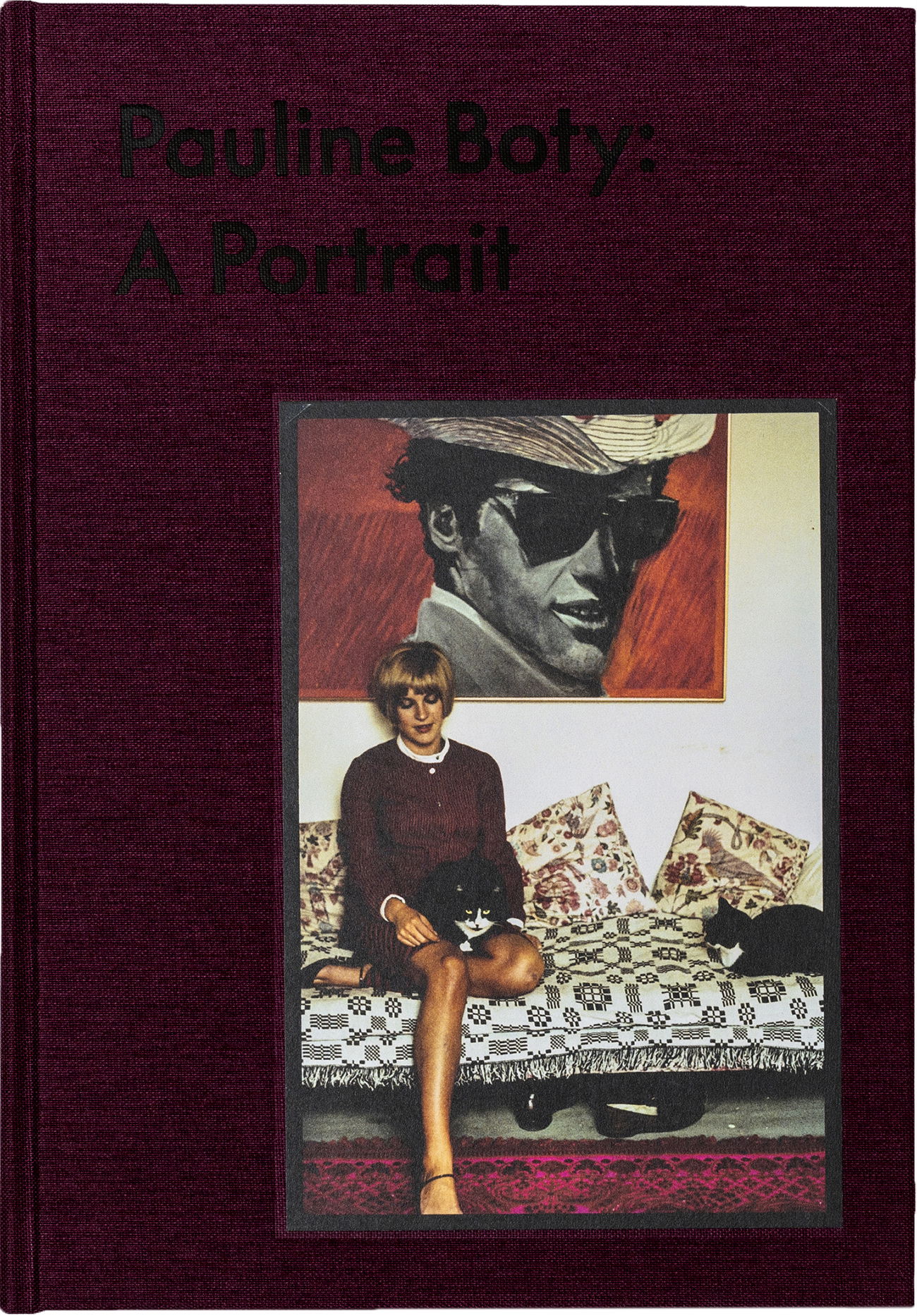
Pauline Boty
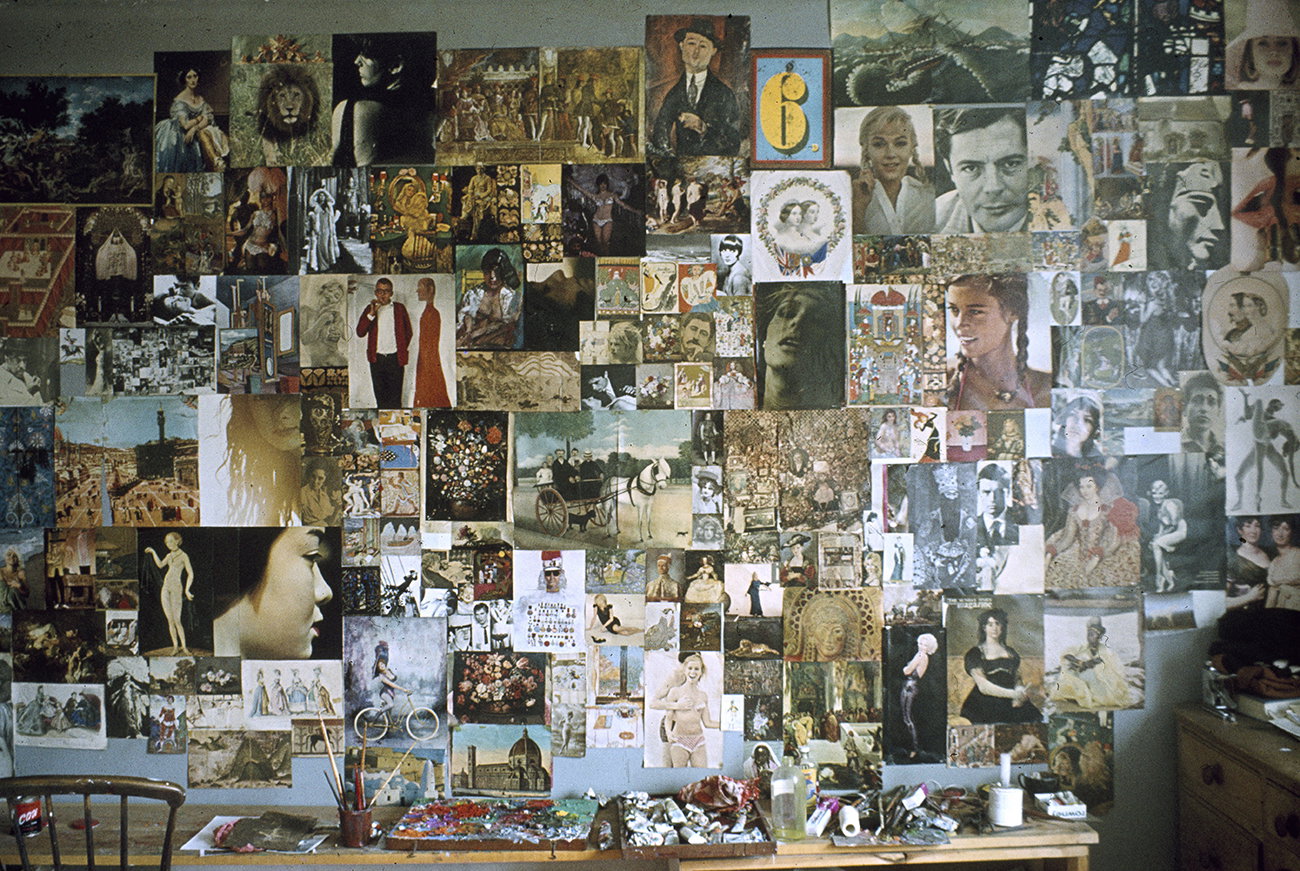
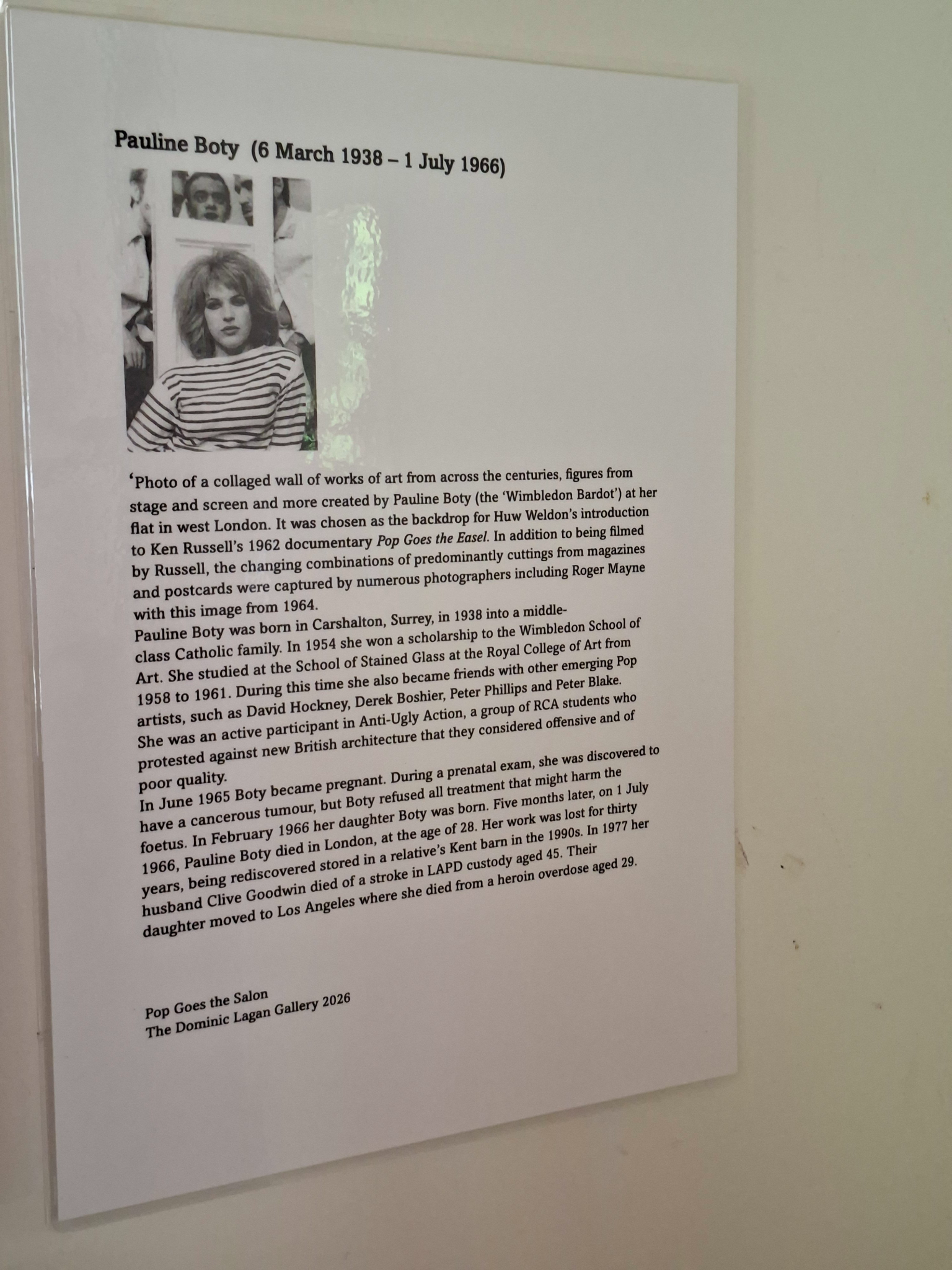
Pauline Boty (6 March 1938 – 1 July 1966) was a British painter and co-founder of the 1960s' British Pop art movement of which she was the only acknowledged female member. Boty's paintings and collages often demonstrate a joy in self-assured femininity and female sexuality, as well as criticism (both overt and implicit) of the "man's world" in which she lived. Her rebellious art, combined with her free-spirited lifestyle, has made Boty a herald of 1970s' feminism.
Pauline Veronica Boty was born in Carshalton, Surrey, in 1938 into a middle-class Catholic family. The youngest of four children, she had three older brothers and a stern father who made her keenly aware of her position as a girl.
In 1954 she won a scholarship to the Wimbledon School of Art, which she attended despite her father's disapproval. Boty's mother, on the other hand, was supportive, having herself been a frustrated artist who had been denied parental permission to attend the Slade School of Fine Art.
Boty earned an Intermediate diploma in lithography (1956) and a National Diploma in Design in stained glass (1958). Her schoolmates called her "The Wimbledon Bardot" on account of her resemblance to the French film star Brigitte Bardot.
Encouraged by her tutor Charles Carey to explore collage techniques, Boty's painting became more experimental. Her work showed an interest in popular culture early on.
In 1957 one of her pieces was shown at the Young Contemporaries exhibition alongside work by Robyn Denny, Richard Smith and Bridget Riley.
She studied at the School of Stained Glass at the Royal College of Art from 1958 to 1961. She had wanted to attend the School of Painting, but was dissuaded from applying as admission rates for women were much lower in that department. Despite the institutionalised sexism at her college, Boty was one of the stronger students in her class, and in 1960 one of her stained-glass works was included in the travelling exhibition Modern Stained Glass organised by the Arts Council.
Boty continued to paint on her own in her student flat in west London and in 1959 she had three more works selected for the Young Contemporaries exhibition. During this time she also became friends with other emerging Pop artists, such as David Hockney, Derek Boshier, Peter Phillips and Peter Blake.
While at the Royal College of Art, Boty engaged in a number of extracurricular activities. She sang, danced, and acted in risqué college revues, published her poetry in an alternative student magazine, and was a knowledgeable presence in the college's film society, especially in regard to European new wave cinema. She was also an active participant in Anti-Ugly Action, a group of RCA students involved in the stained glass, and later architecture, courses who protested against new British architecture that they considered offensive and of poor quality.
Boty was at her most productive two years after graduating from college. She developed a signature Pop style and iconography. Her first group show, "Blake, Boty, Porter, Reeve," which was held in November 1961 at A.I.A. Gallery in London, is recognised as one of the earliest British Pop art shows. She exhibited twenty collages, including Is it a bird, is it a plane? and a rose is a rose is a rose, which demonstrated her interest in drawing from both high and low popular culture sources in her art (the first title references the Superman comic, the second quotes the American expatriate poet Gertrude Stein).
The following spring Boty, Peter Blake, Derek Boshier and Peter Phillips were featured in Ken Russell's BBC Monitor documentary film Pop Goes the Easel, which was aired on 22 March 1962. Boty's appearance in Pop Goes the Easel marked the beginning of her brief acting career. She landed roles in an Armchair Theatre play for ITV ("North City Traffic Straight Ahead", 1962) directed by Philip Saville and an episode of the BBC series Maigret ("Peter the Lett", 1963). She also appeared on stage in Frank Hilton's comedy Day of the Prince at the Royal Court, and in Riccardo Aragno's (from the novel by Anthony Powell) Afternoon Men at the New Arts Theatre. (Boty, a regular on the club scene in London, was also a dancer on Ready Steady Go!). Although acting was lucrative, it was a distraction from painting, which remained her main priority. Yet the men in her life encouraged her to pursue acting, as it was a more conventional career choice for women in the early 1960s.
The popular press picked up on her glamorous actress persona, often undermining her legitimacy as an artist by referring to her physical appearance. Scene ran a front-page article in November 1962 that included the following remarks: "Actresses often have tiny brains. Painters often have large beards. Imagine a brainy actress who is also a painter and also a blonde, and you have Pauline Boty."
Her unique position as Britain's only female Pop artist gave Boty the chance to redress sexism in her life as well as her art. Her early paintings were sensual and erotic, celebrating female sexuality from a woman's point of view. Her canvases were set against vivid, colourful backgrounds and often included close-ups of red flowers, presumably symbolic of the female sex. She painted her male idols—Elvis, French actor Jean-Paul Belmondo, British writer Derek Marlowe—as sex symbols, just as she did actresses Monica Vitti and Marilyn Monroe. Like Andy Warhol, she recycled publicity and press photographs of celebrities in her art. Her 1963 portrait of her friend Celia Birtwell, Celia Birtwell and Some of her Heroes, shows the textile designer surrounded by a Peter Blake painting, a David Hockney portrait and an image of Elvis Presley.
She exhibited in several more group shows before staging her first solo exhibition at Grabowski Gallery in the autumn of 1963. The show was a critical success. Boty continued to take on additional acting jobs. She was a presenter on the radio programme Public Ear in 1963–64, and in the following year, she was typecast yet again in the role of 'the seductive Maria' in a BBC serial.
In June 1963, she married the literary agent Clive Goodwin (1932–1977) after a ten-day romance.
Her marriage disappointed others such as Peter Blake and her married lover, the television director Philip Saville, whom she had met towards the end of her student days and had worked for. (Their affair is said to have provided the material for a screenplay by Frederic Raphael for the movie Darling.)
Boty and Goodwin's Cromwell Road flat became a central hang-out for many artists, musicians, and writers, including Bob Dylan, David Hockney, Peter Blake, Michael White, Kenneth Tynan, Troy Kennedy Martin, John McGrath, Dennis Potter and Roger McGough.
Dylan was brought to England by Philip Saville, who collected him from London Airport with Boty; Dylan stayed in Boty's flat.
Goodwin, later a member of the founding editorial team of the radical journal Black Dwarf, is said to have encouraged Boty to include political content in her paintings.
Her paintings did become more overtly critical over time. Countdown to Violence depicts a number of harrowing current events, including the Birmingham riot of 1963, the Assassination of John F. Kennedy and the Vietnam War. Cuba Si (1963) references the Cuban revolution. The collage painting It's a Man's World I (1964) juxtaposes images of male icons The Beatles, Albert Einstein, Lenin, Muhammad Ali, Marcel Proust and other men. In It's a Man's World II (1965–66) she redisplayed female nudes from fine art and soft-core pornographic sources to signify newly liberated "female eroticism".
Her last known painting, BUM, was commissioned by Kenneth Tynan for Oh, Calcutta! and was completed in 1966.
In June 1965 Boty became pregnant. During a prenatal exam, she was discovered to have a cancerous tumour (malignant thymoma). She refused to have an abortion and also declined radiotherapy treatment that would have harmed her unborn foetus.
Instead she smoked marijuana to ease the pain of her terminal condition. She continued to entertain her friends and even sketched The Rolling Stones during her illness.
On 12 February 1966 her daughter Boty (known as Katy) was born. Five months later, on 1 July 1966, Pauline Boty died at the Royal Marsden Hospital in London, at the age of 28. Her husband Clive died in 1977 aged 45.
Their daughter Boty Goodwin, who was adopted by the poet Adrian Mitchell and his wife Maureen after Pauline's death, later moved to Los Angeles to study art; she died from a heroin overdose on 12 November 1995 aged 29.
After her death, Pauline Boty's paintings were stored away in a barn on her brother's farm and she was largely forgotten for nearly 30 years. The rediscovery of her work in the 1990s, owing to the efforts of curator David Mellor and academic Dr. Sue Tate, led to renewed interest in her contribution to Pop art, gaining her inclusion in several group exhibitions and a major solo retrospective.
The location of some of her most sought-after paintings remains unknown.
In December 2013, Adrian Hamilton wrote in The Independent on Sunday, "Ignored for decades after her death – it was nearly 30 years before her first picture was shown – a proper retrospective has had to wait until this year with a show which originated in Wolverhampton and has now opened in the Pallant Gallery in Chichester. Looking at her pictures today, it is simply incredible that it has taken so long. [...] It's not a big exhibition. Given the paucity of her surviving work, it could not be otherwise. But it is one which leaves you eager for more, more of the pictures she did paint and the ones she didn't live long enough for."
Boty's life and work also form a major theme in Ali Smith's 2016 novel, Autumn.
In November 2019, the New York Times profiled Boty in their Overlooked No More series: "Pauline Boty, Rebellious Pop Artist". On 1 July 2023, a Blue Plaque was erected for Boty at 7A Addison Avenue, Holland Park at her former home and studio. The unveiling was carried out by Natalie Gibson and Celia Birtwell with Sir Peter Blake in attendance alongside other friends, family and admirers of Boty.
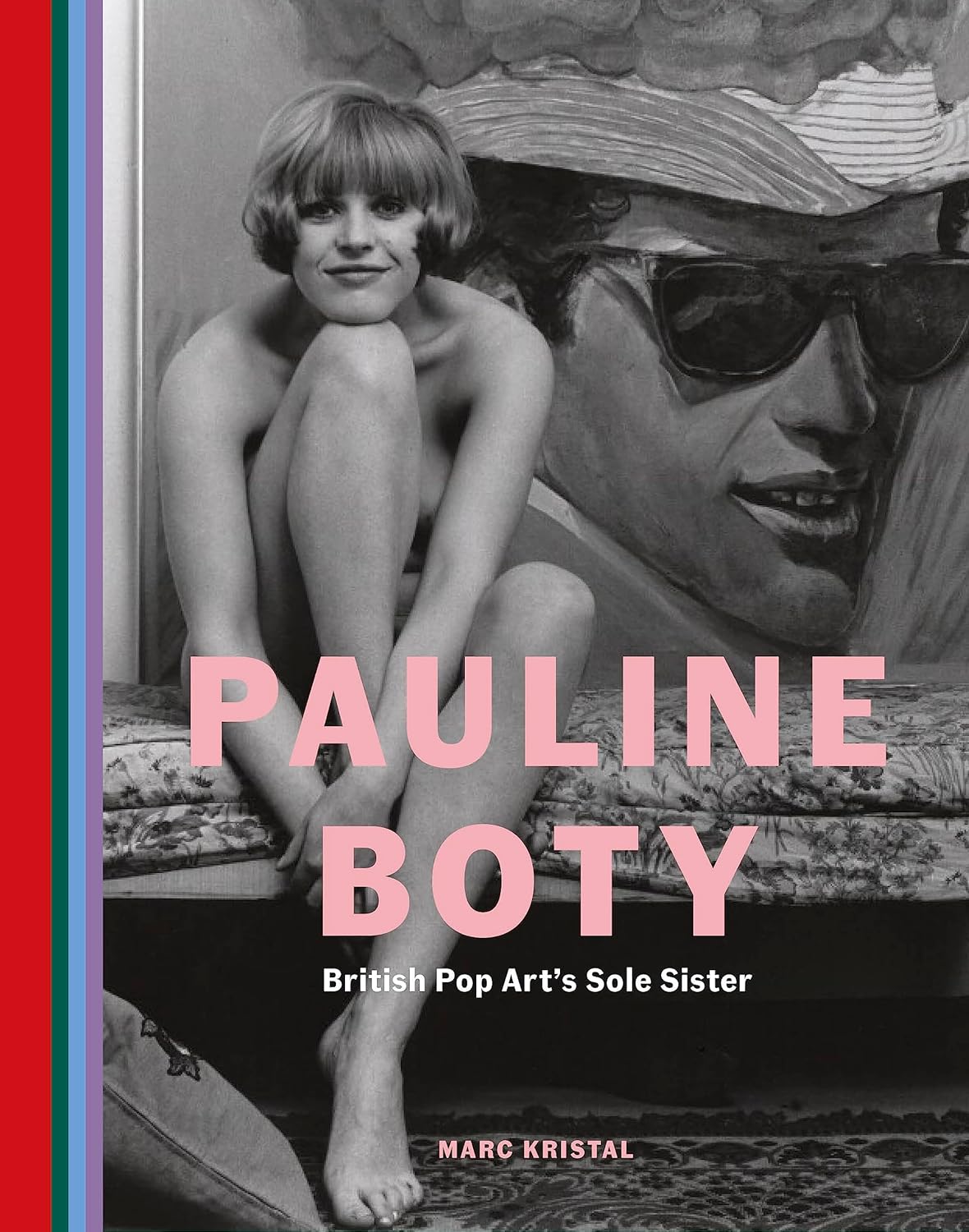
Marc Kristal's biography Pauline Boty: British Pop Art's Sole Sister was published in 2023. The 2023/24 exhibition at the Gazelli Gallery included the documentary 'Boty: The Life and Times of a Forgotten Artist' and the documentary 'BOTY - I Am The Sixties' was produced by Mark Baxter in 2024.
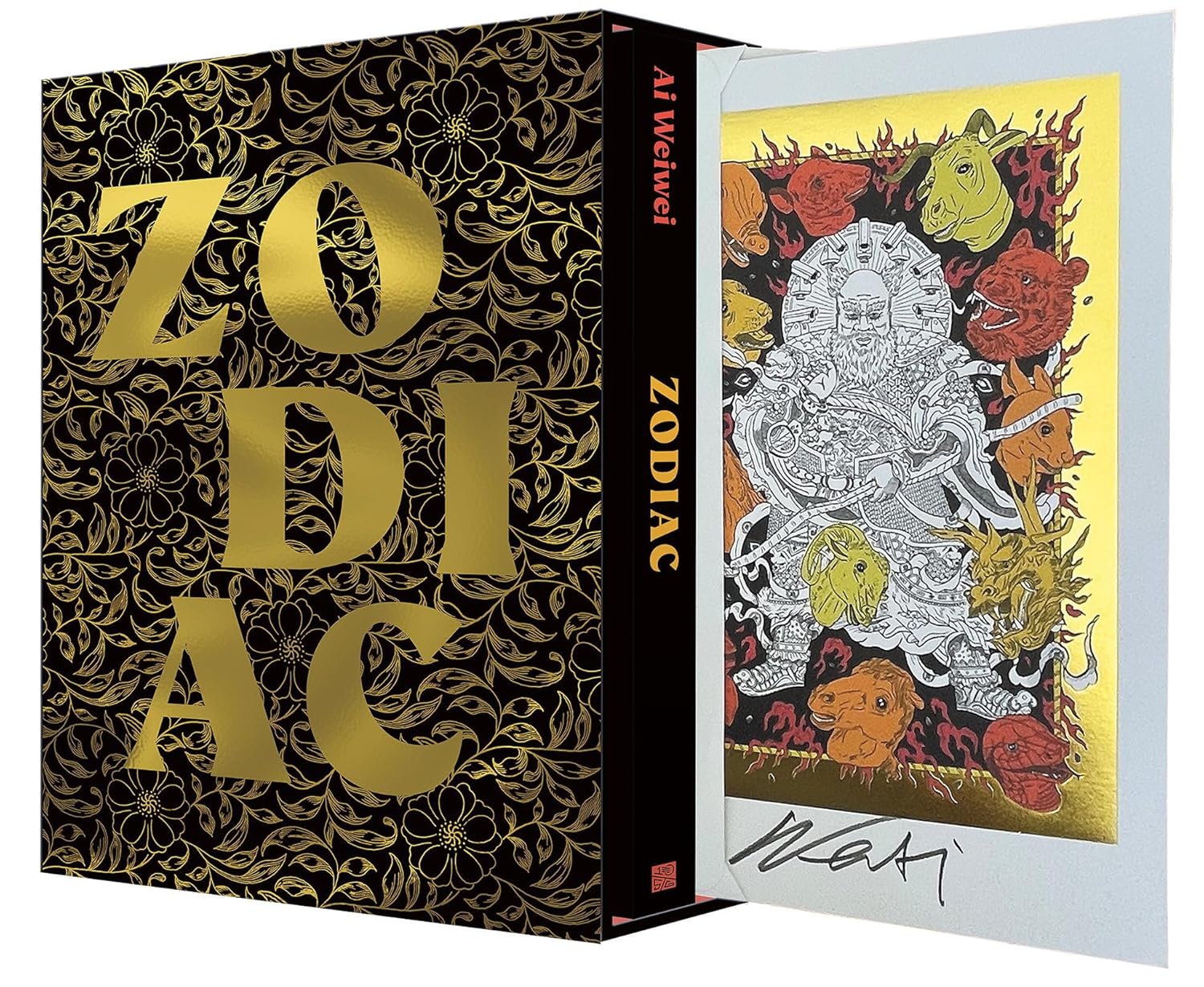
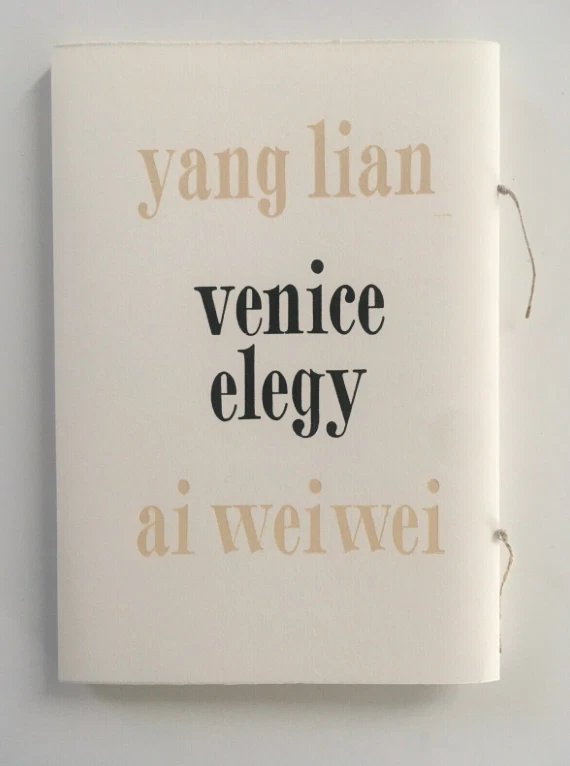
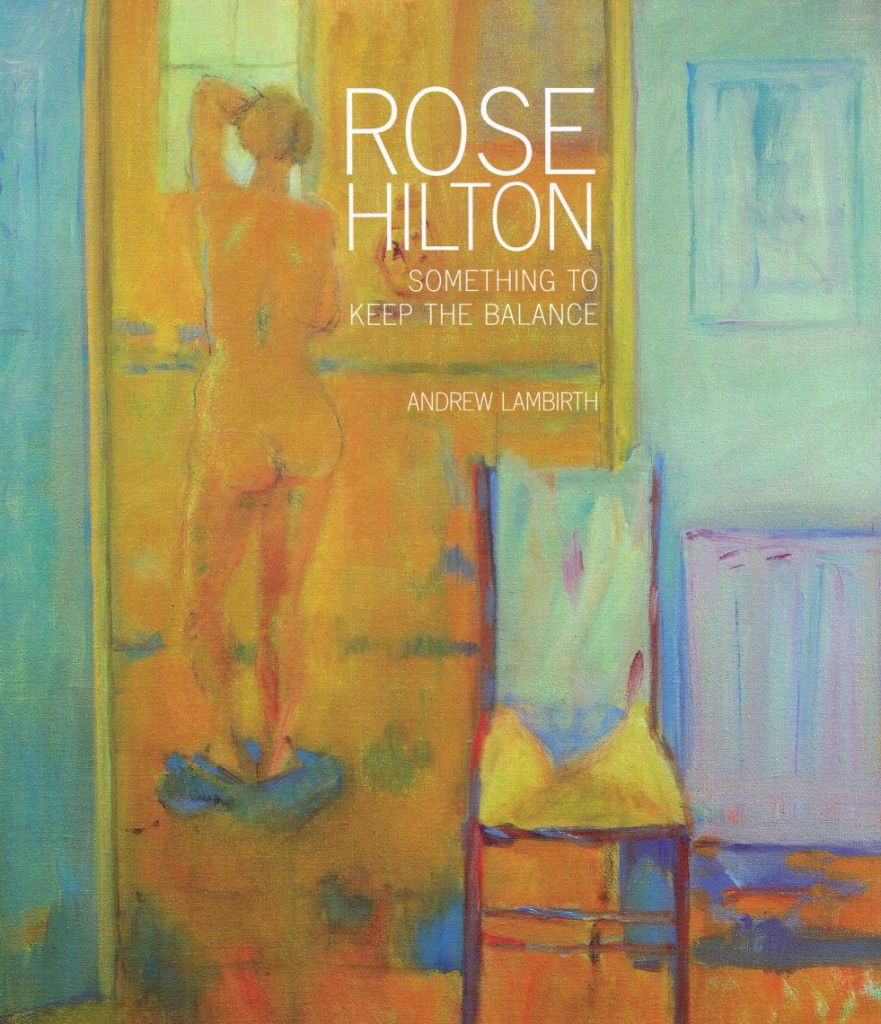
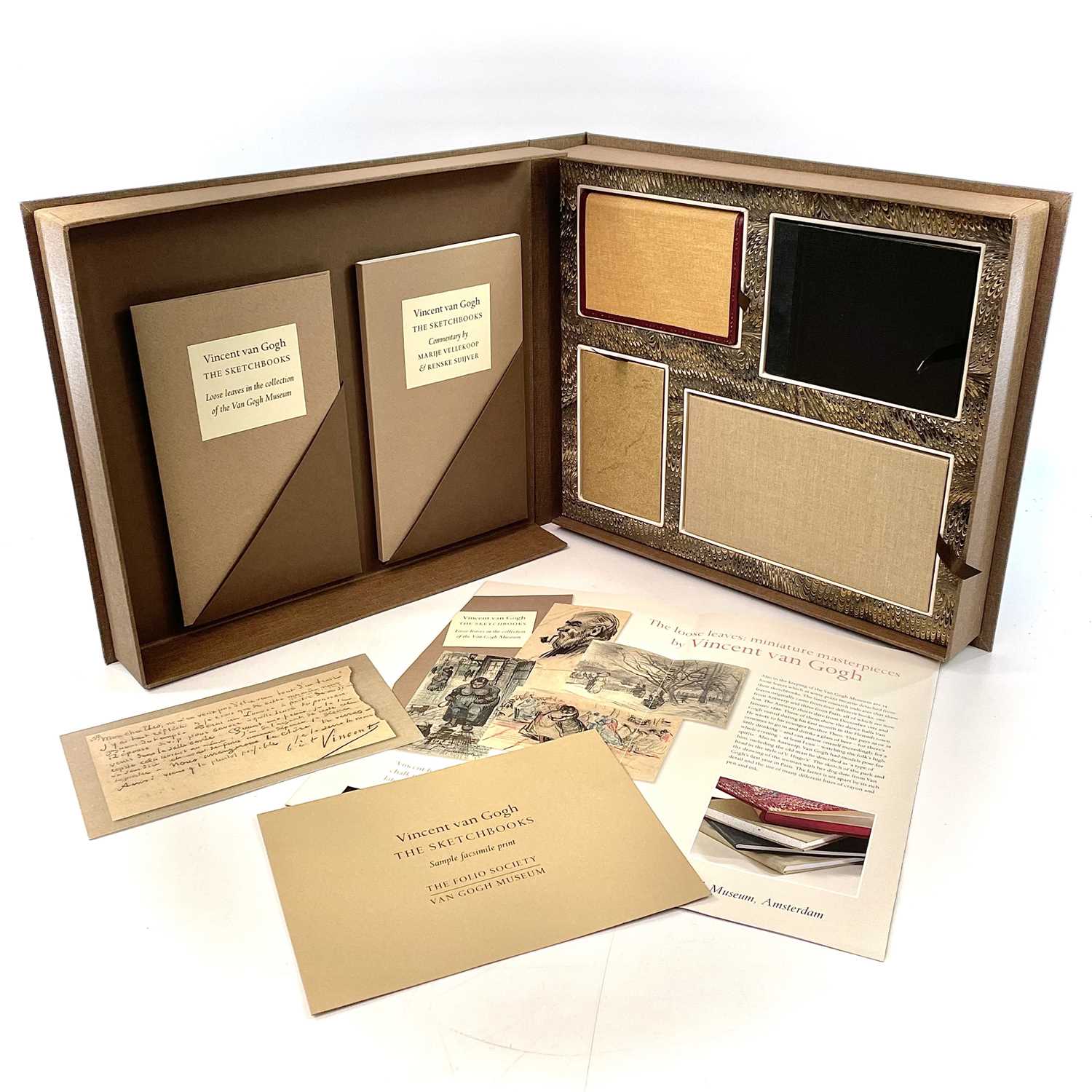
Books
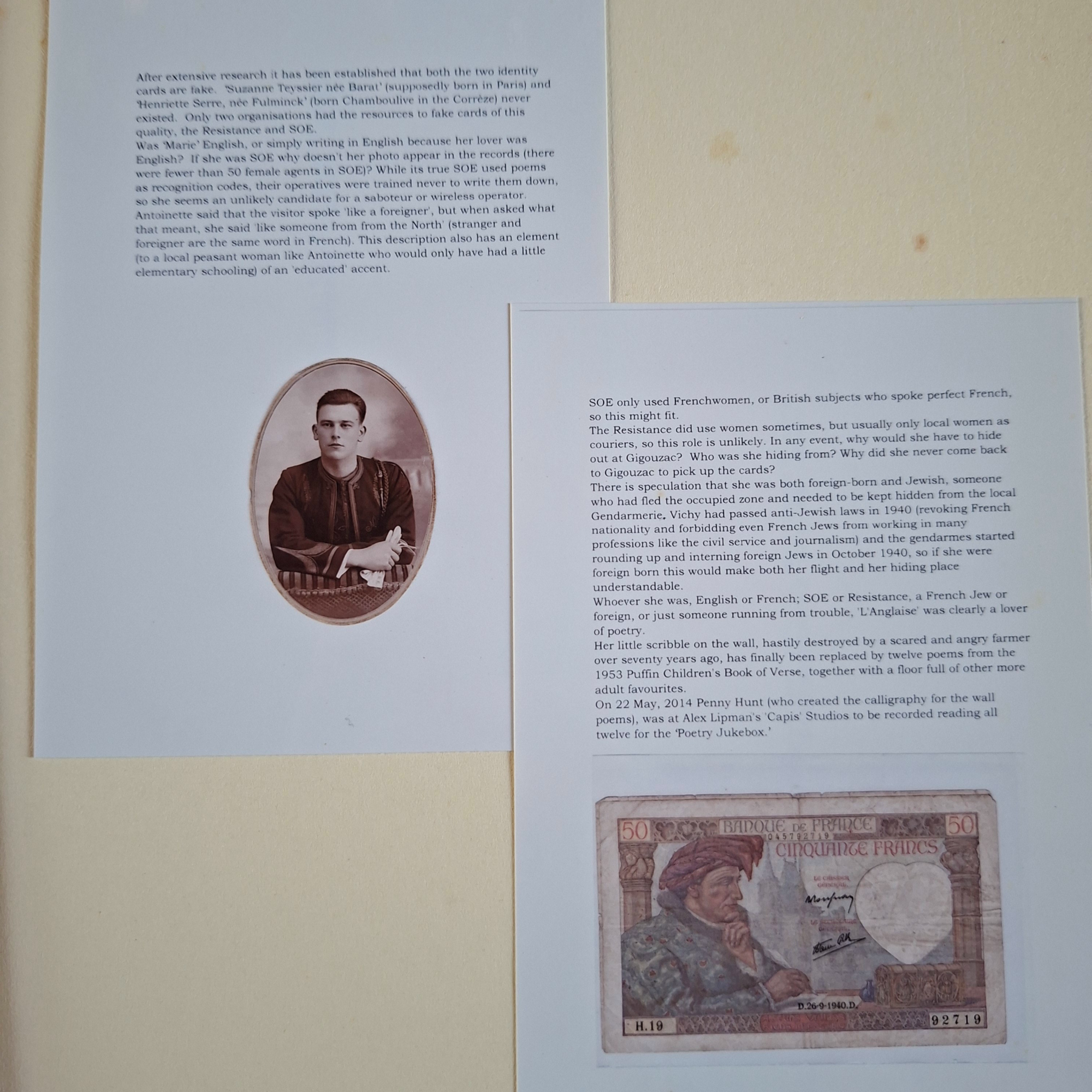
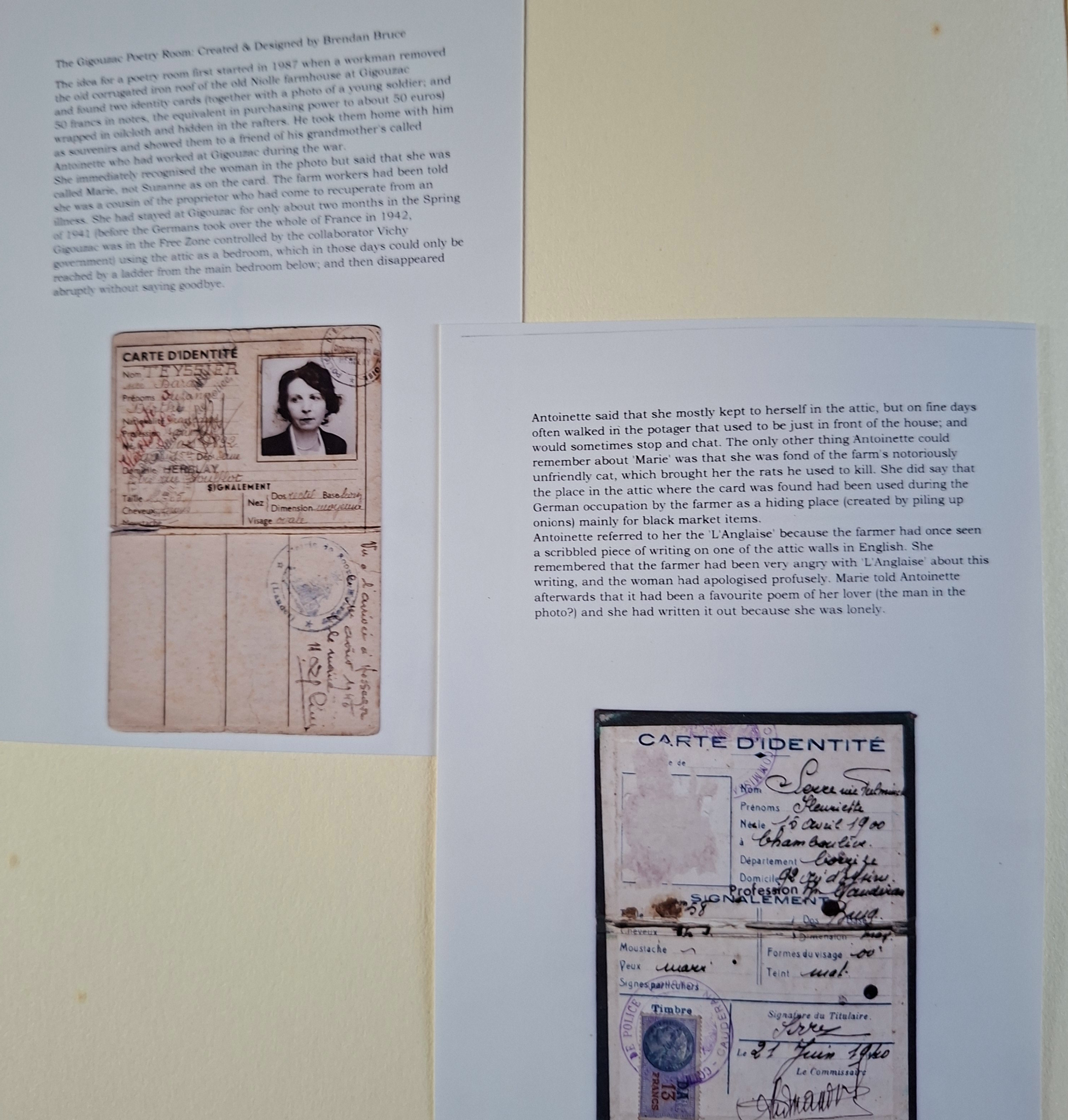
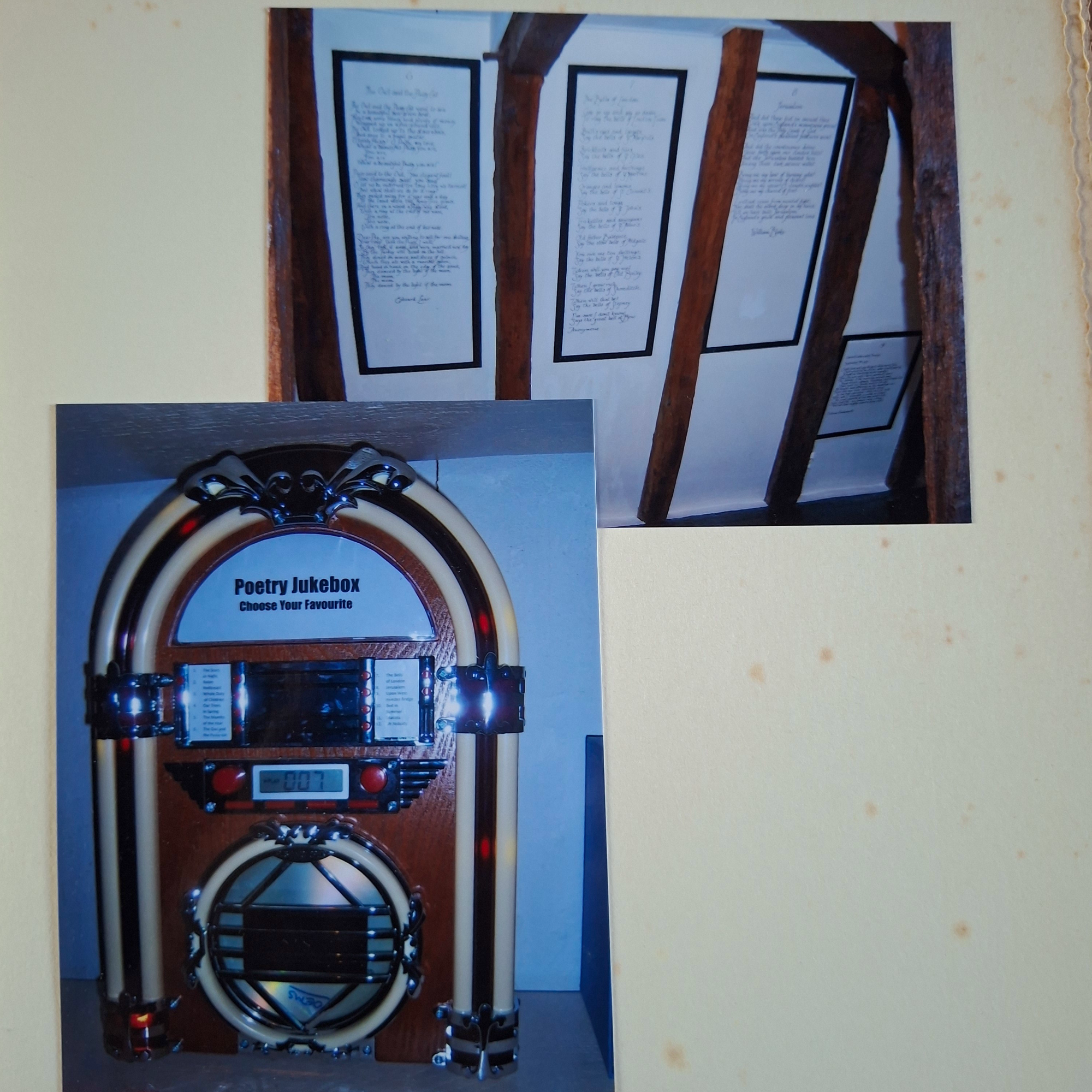
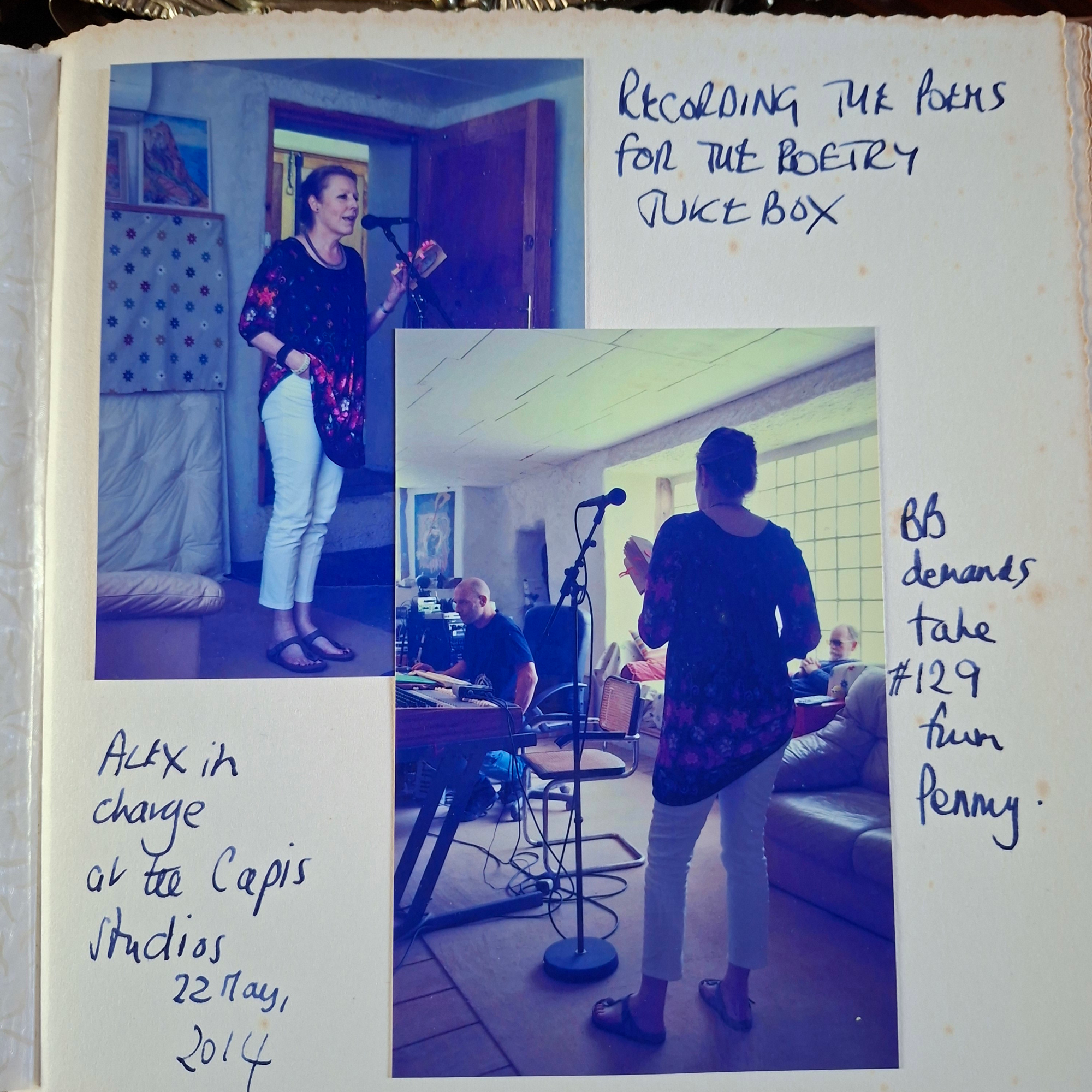
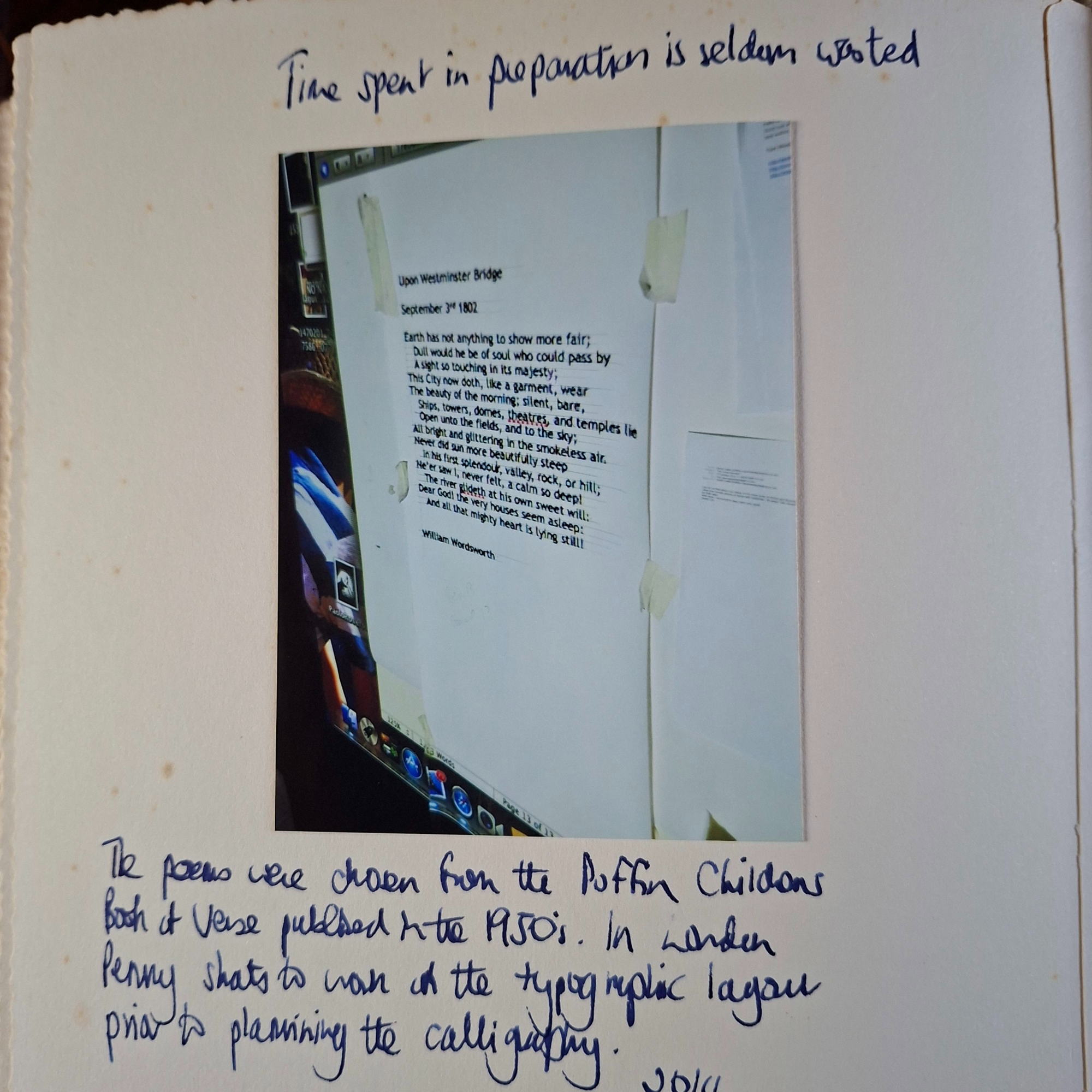
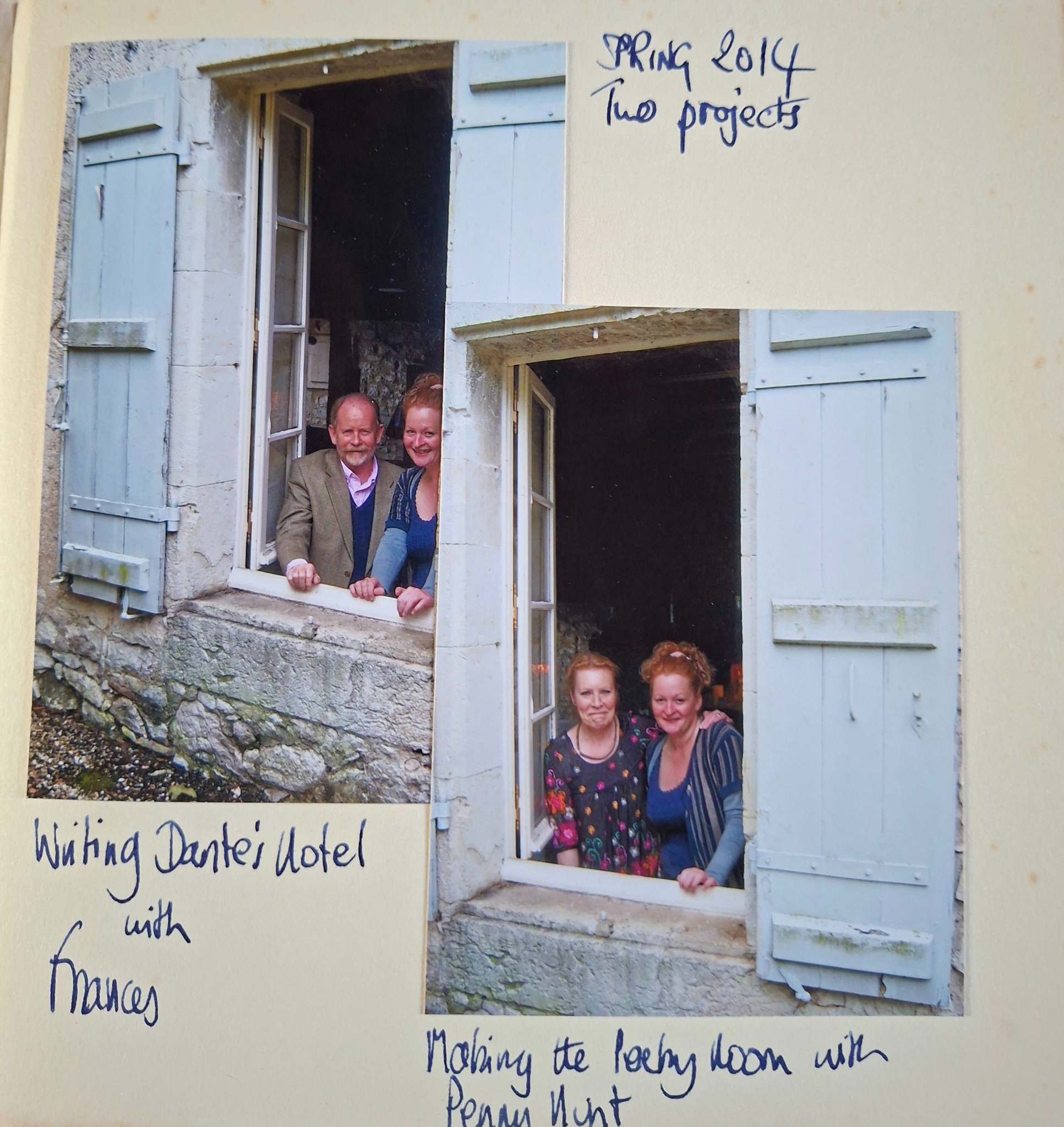
Poetry Juke Box
Videos
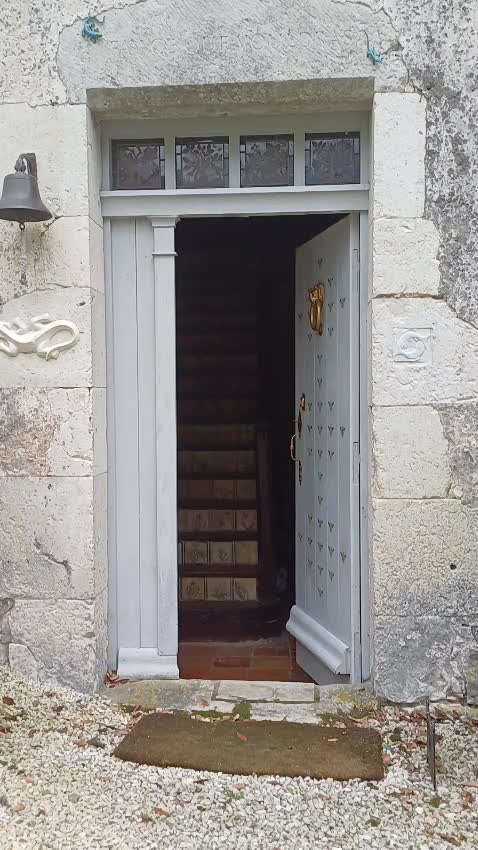

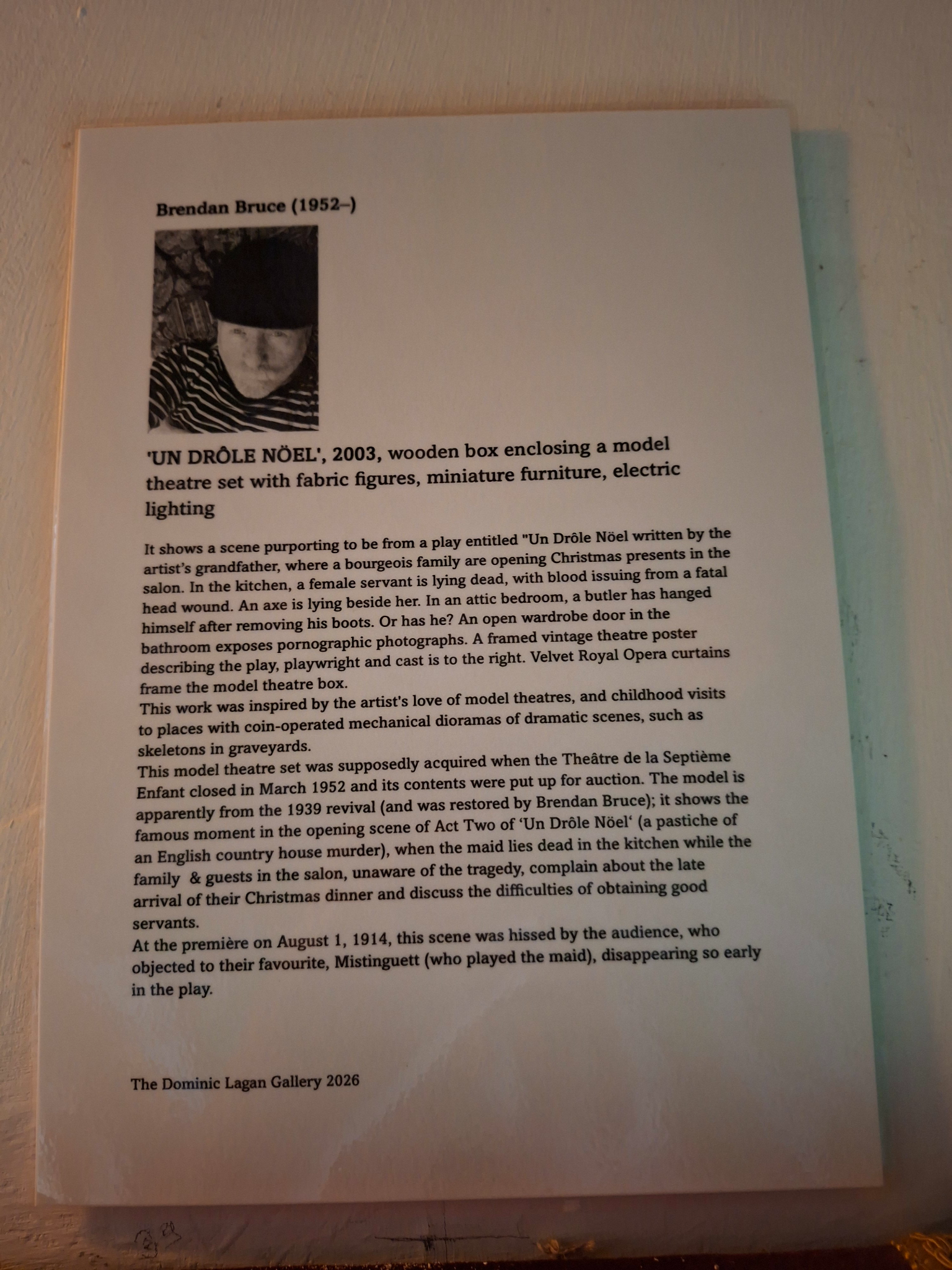
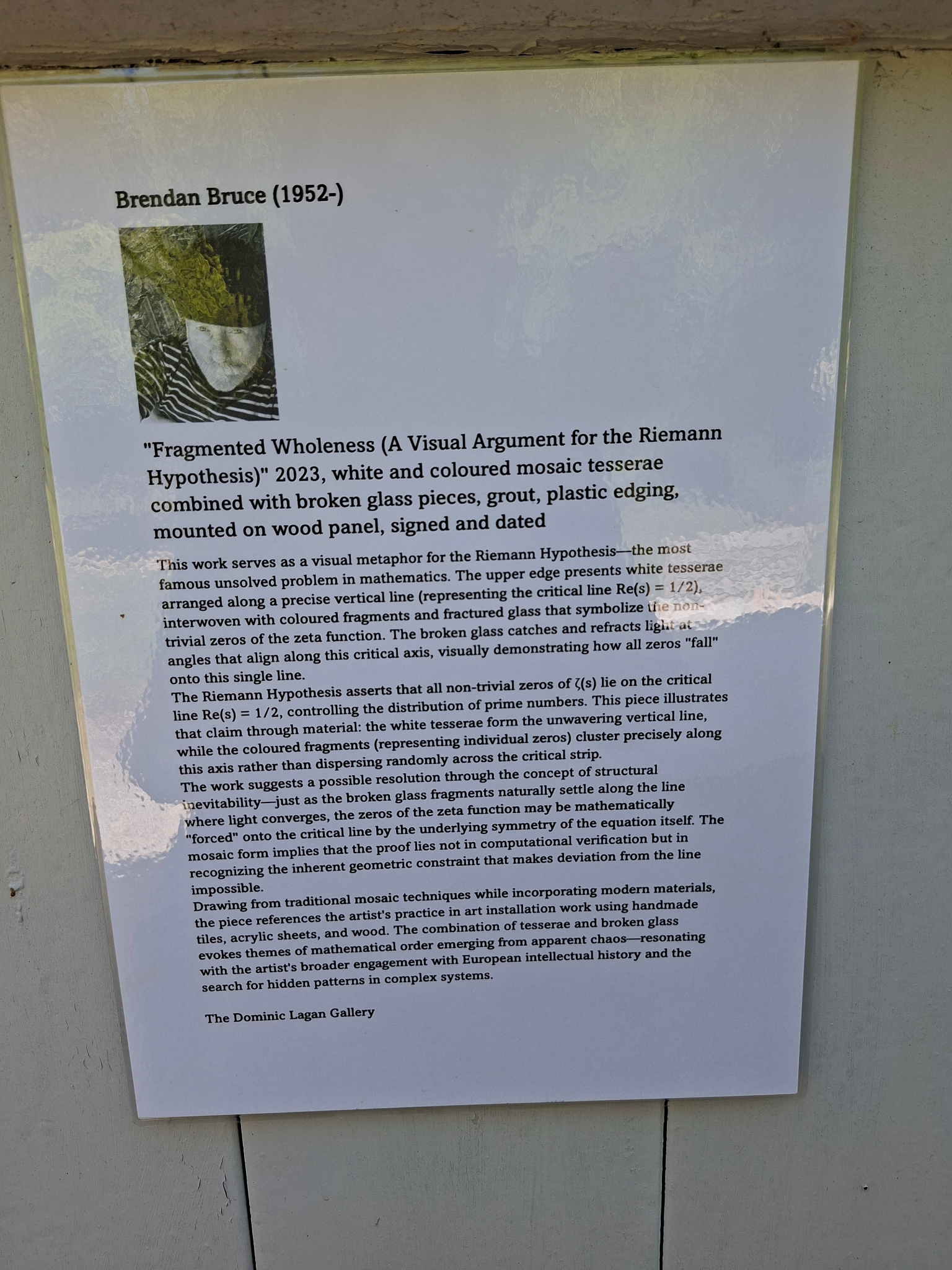
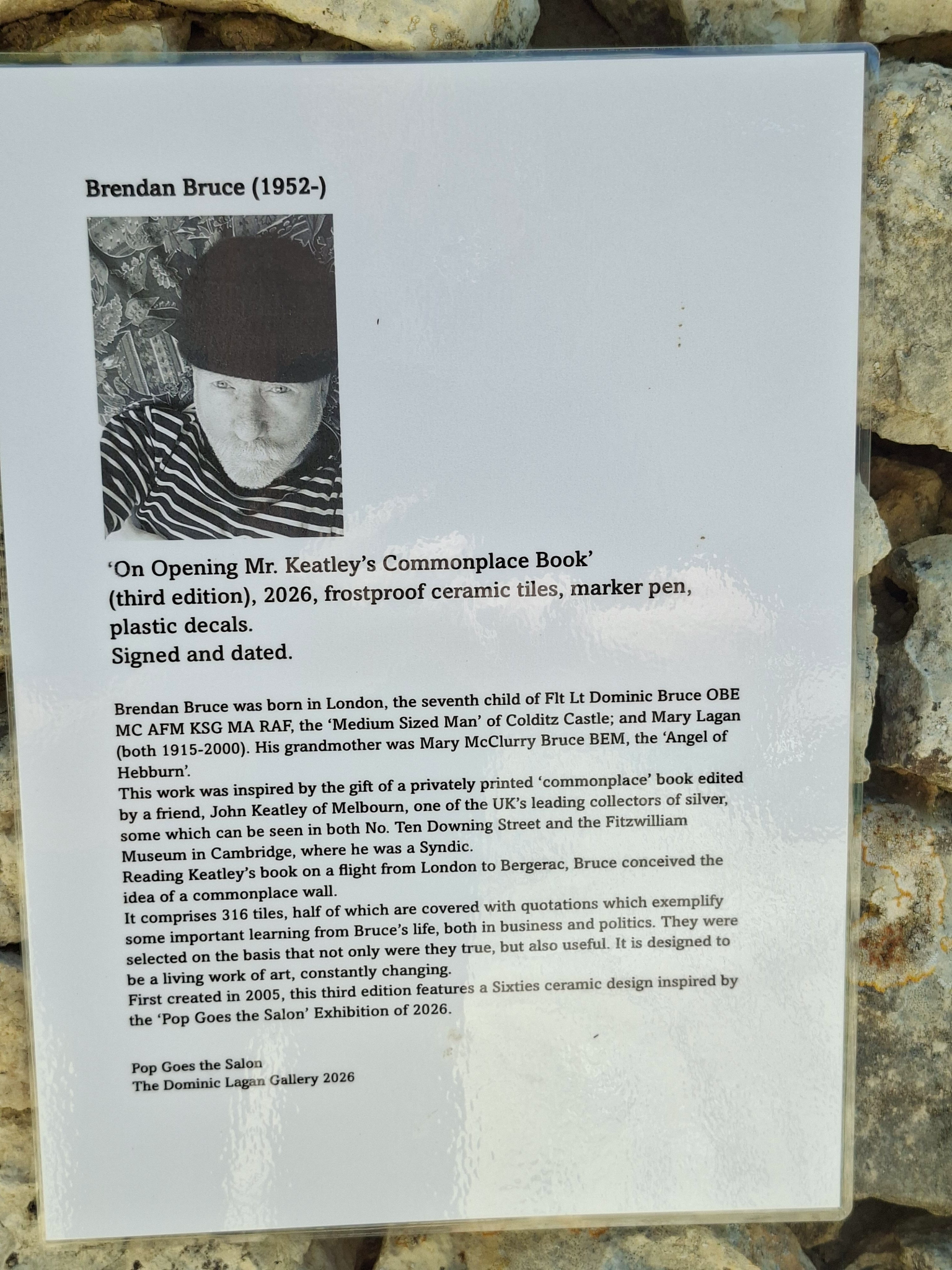
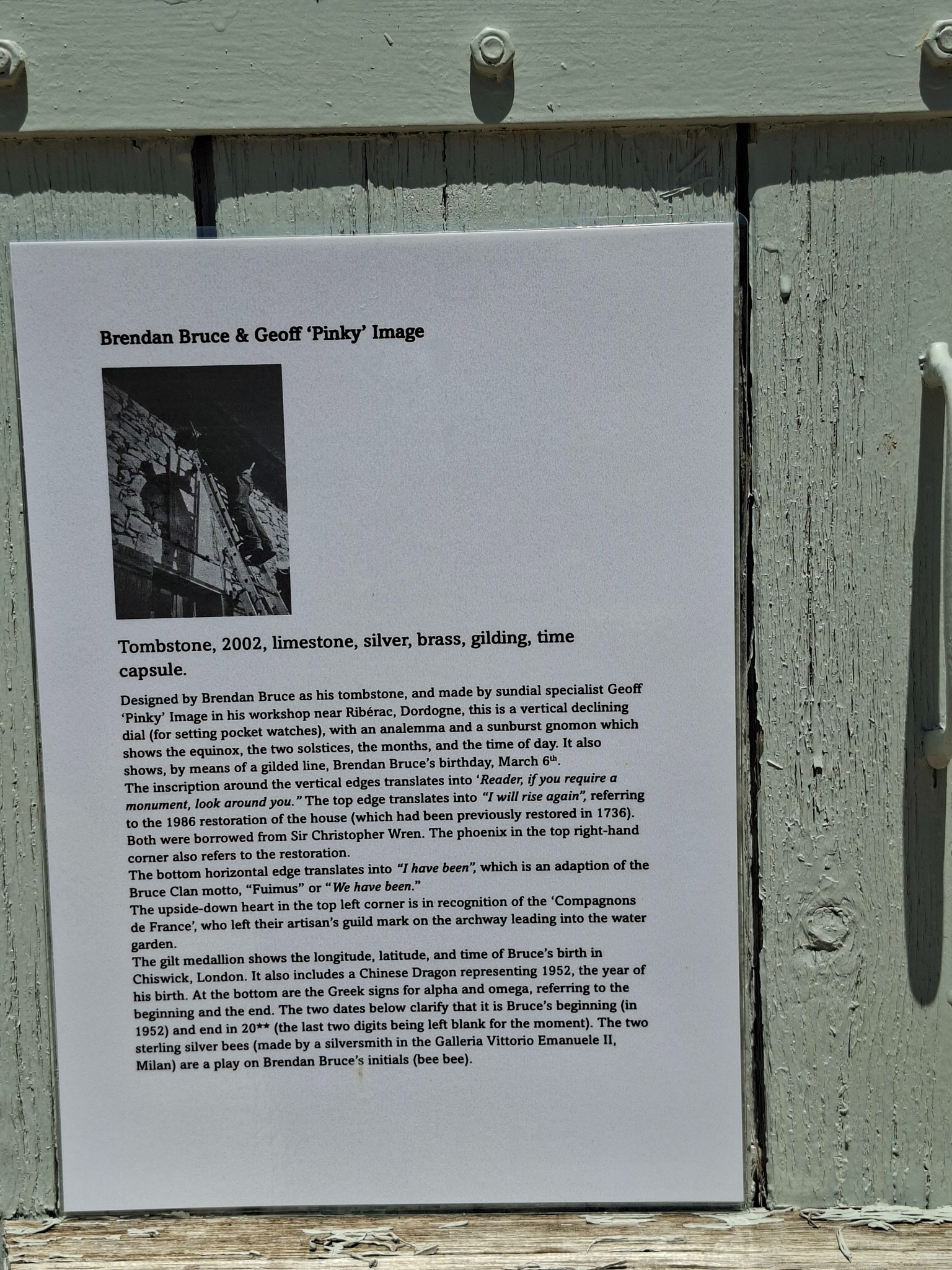

The Medium Sized Man Speaks
Interview tapes from Images of Power (copyright Brendan Bruce 2026)
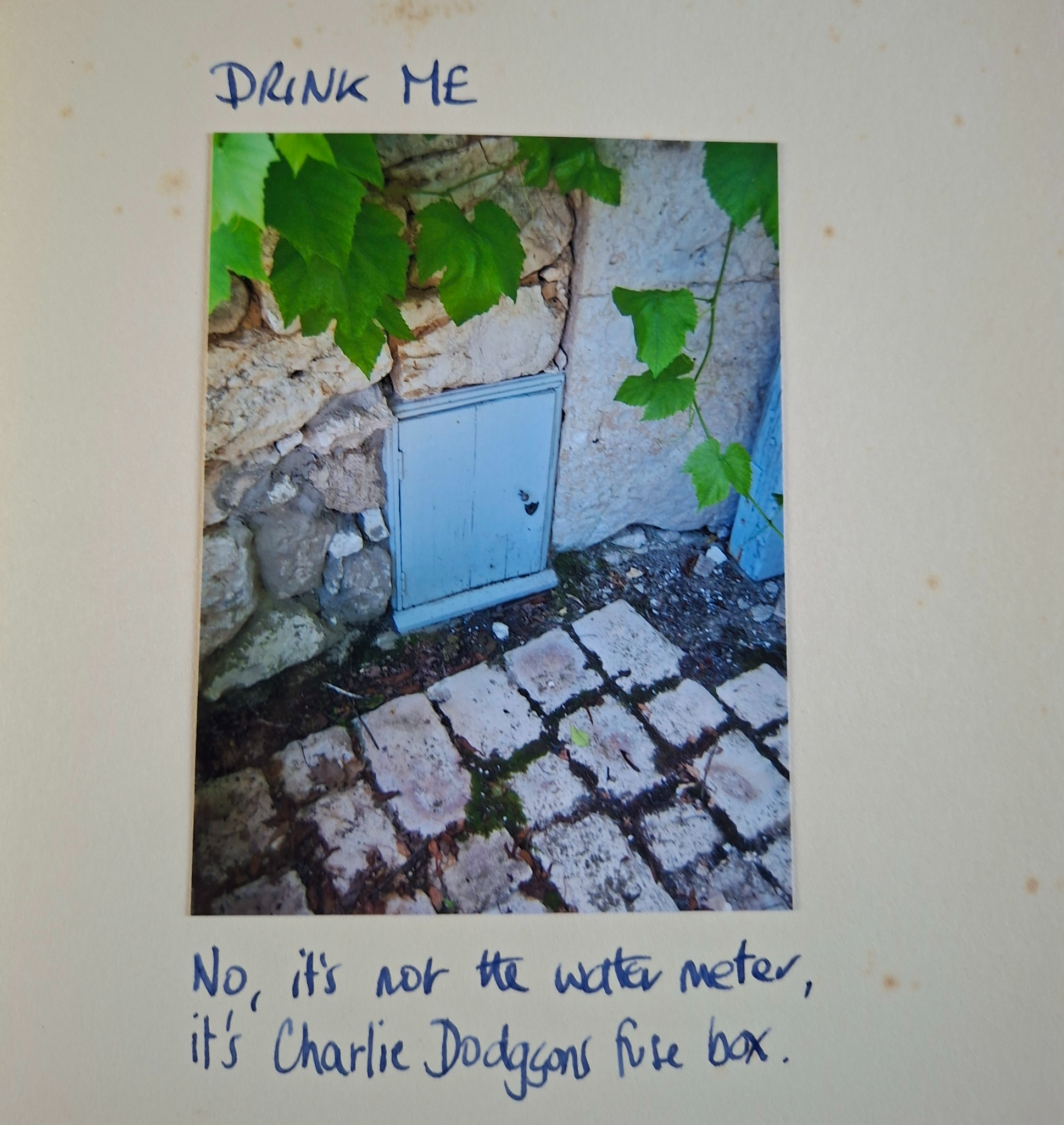
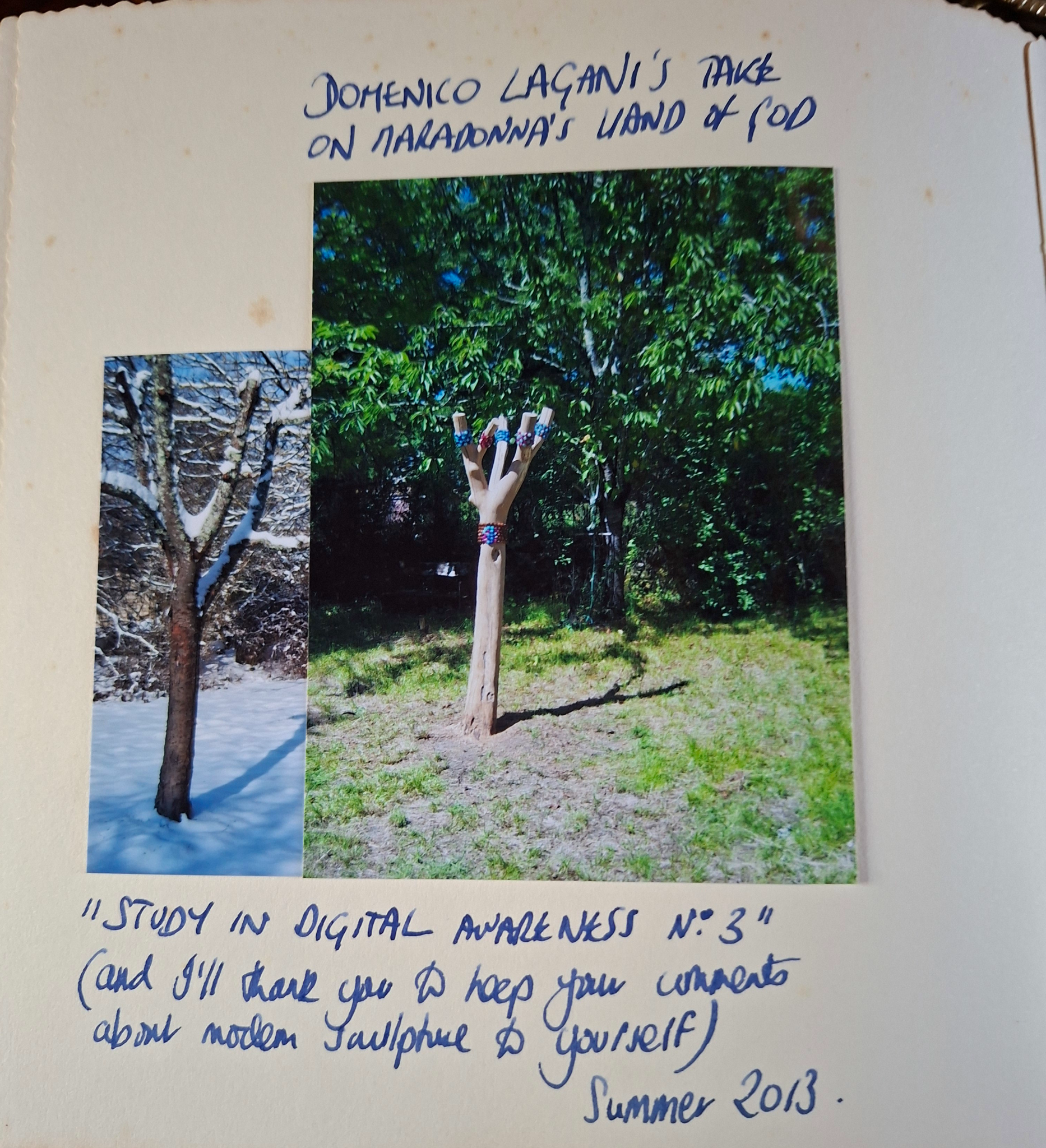
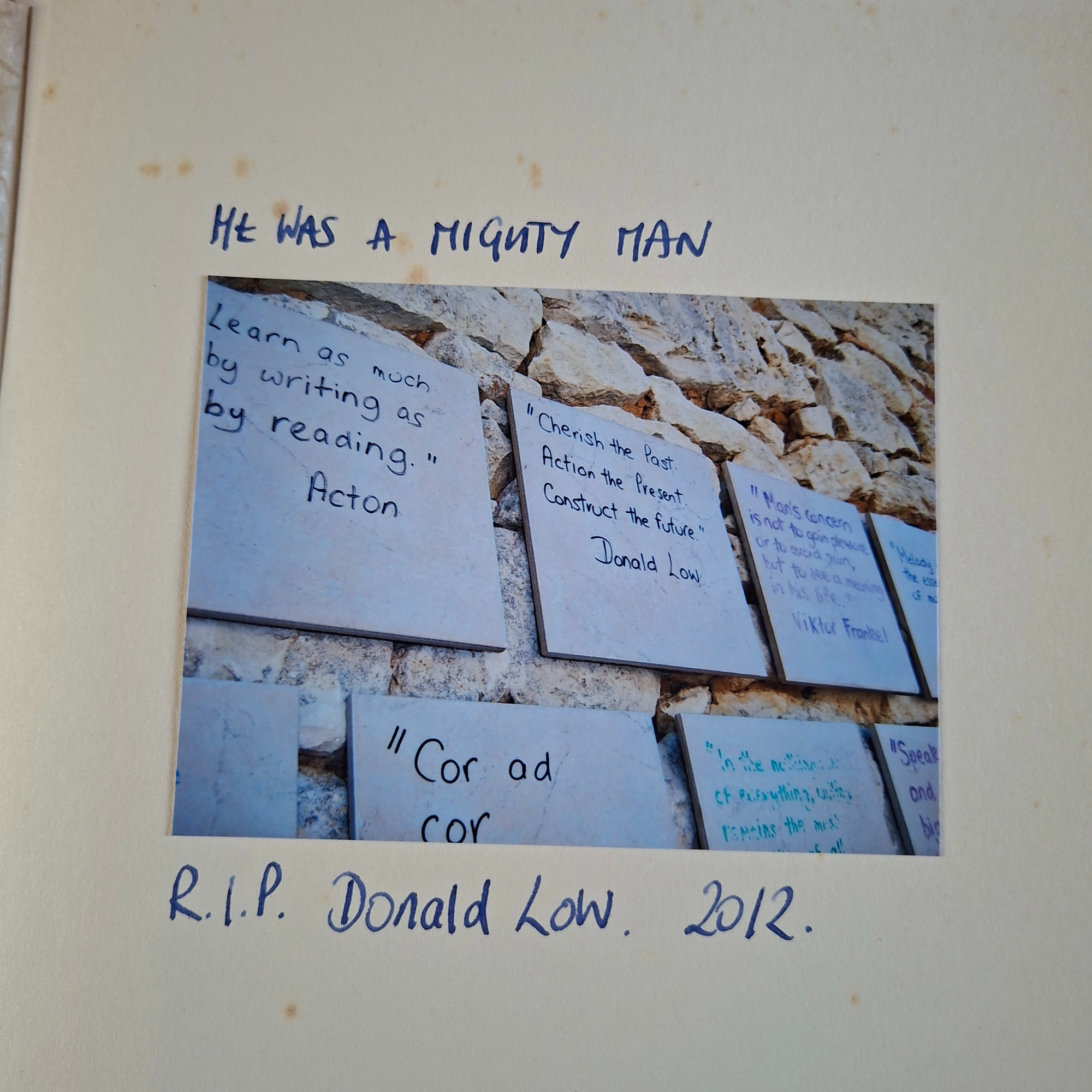
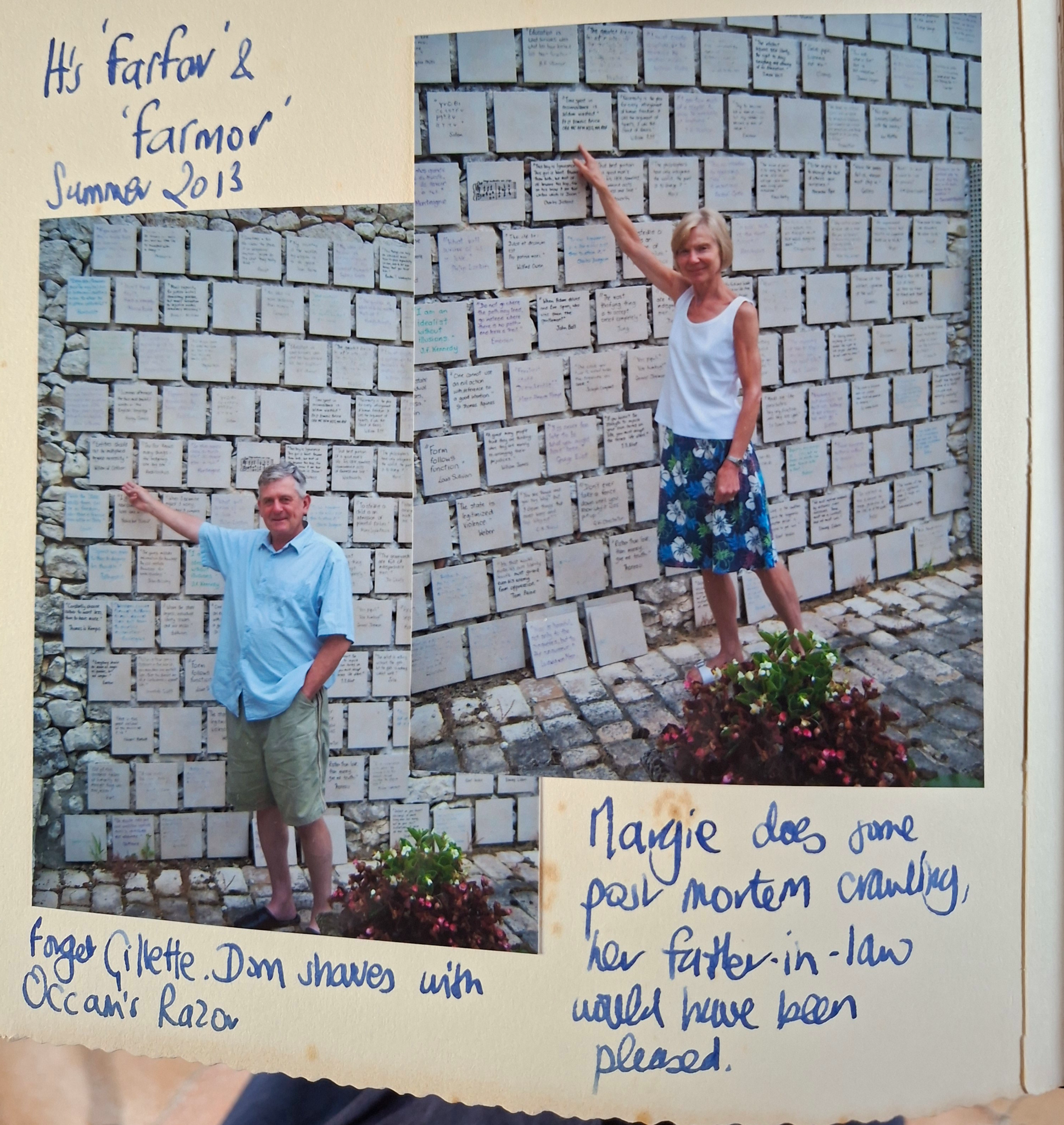
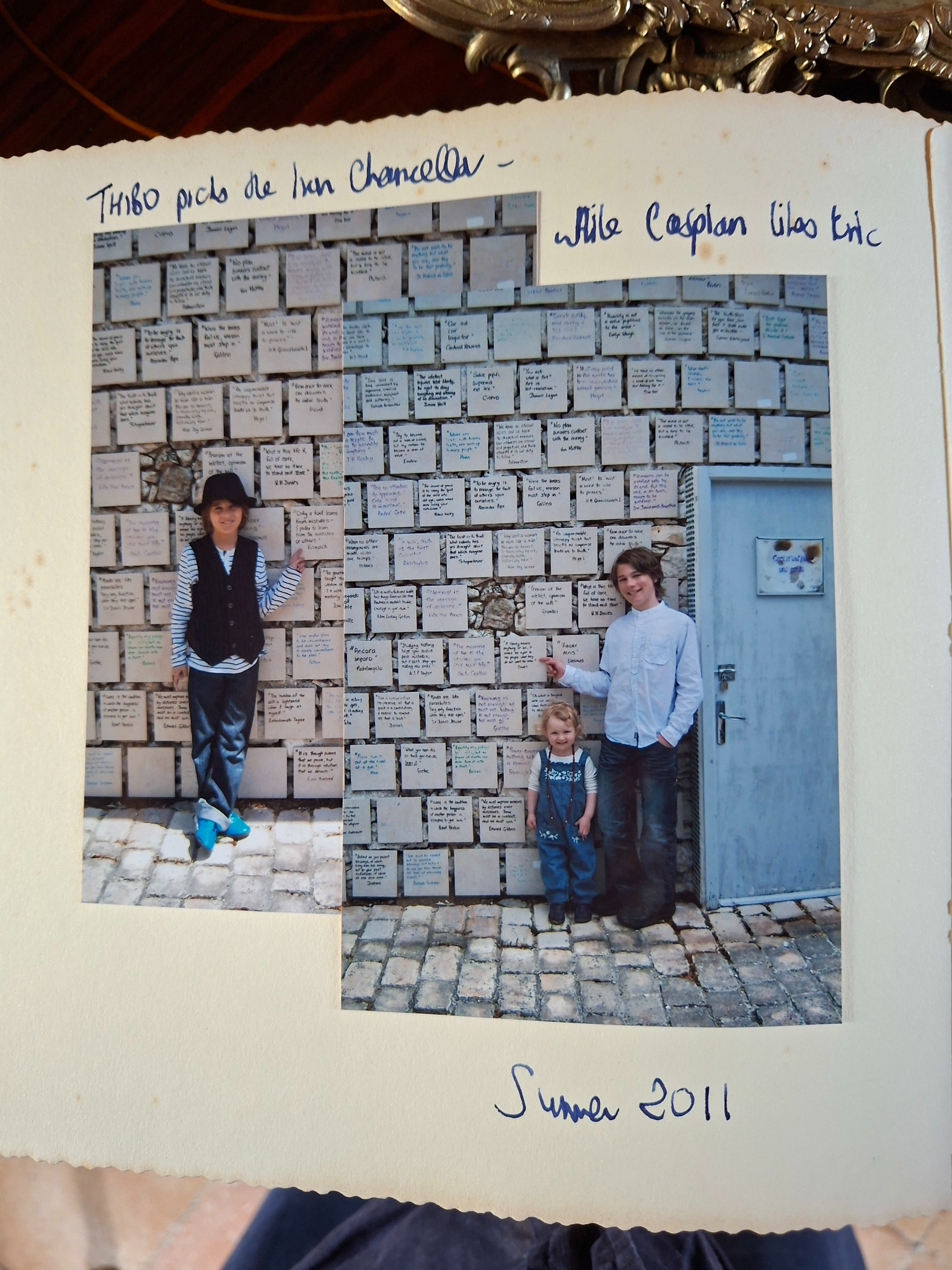
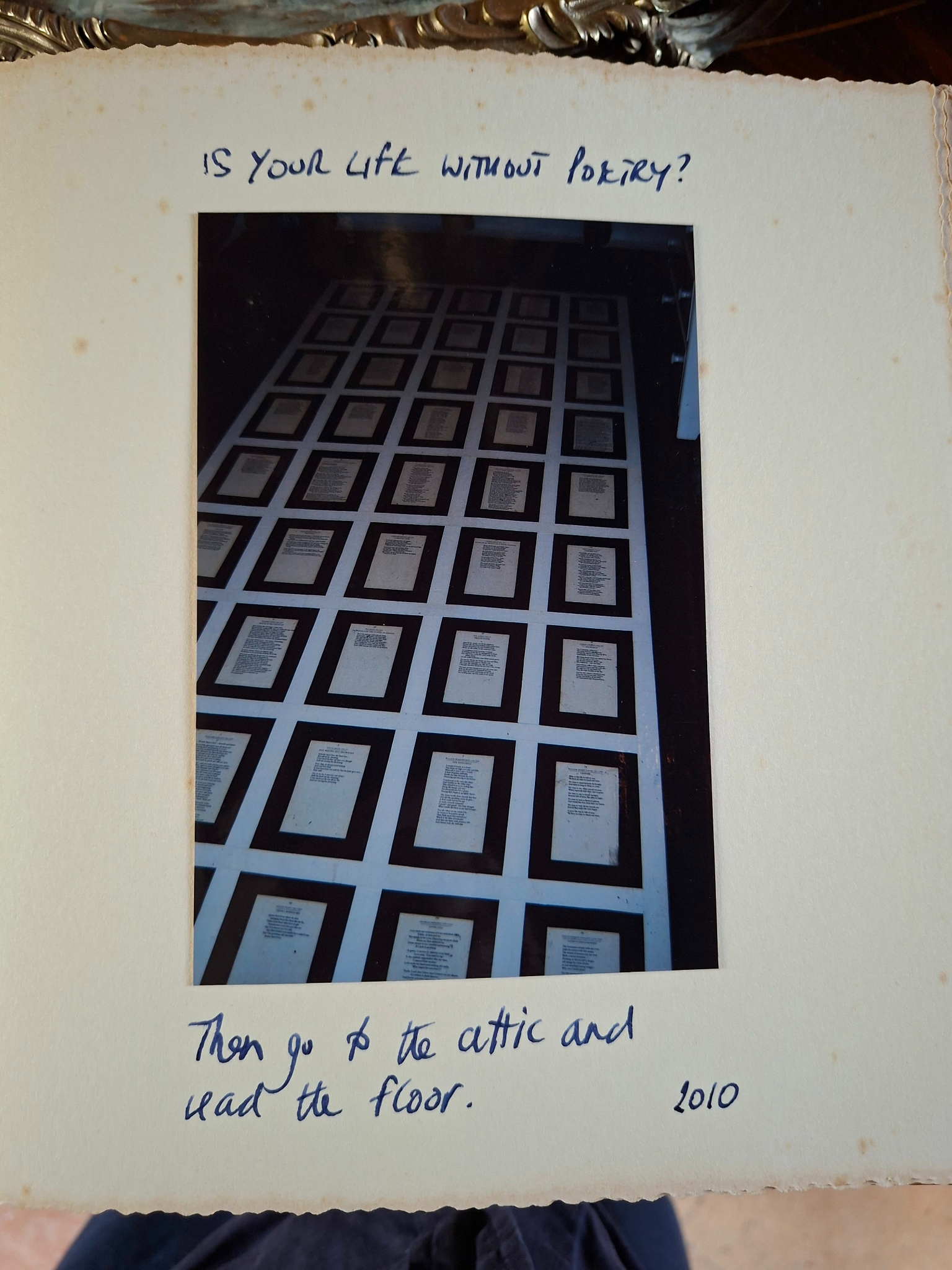
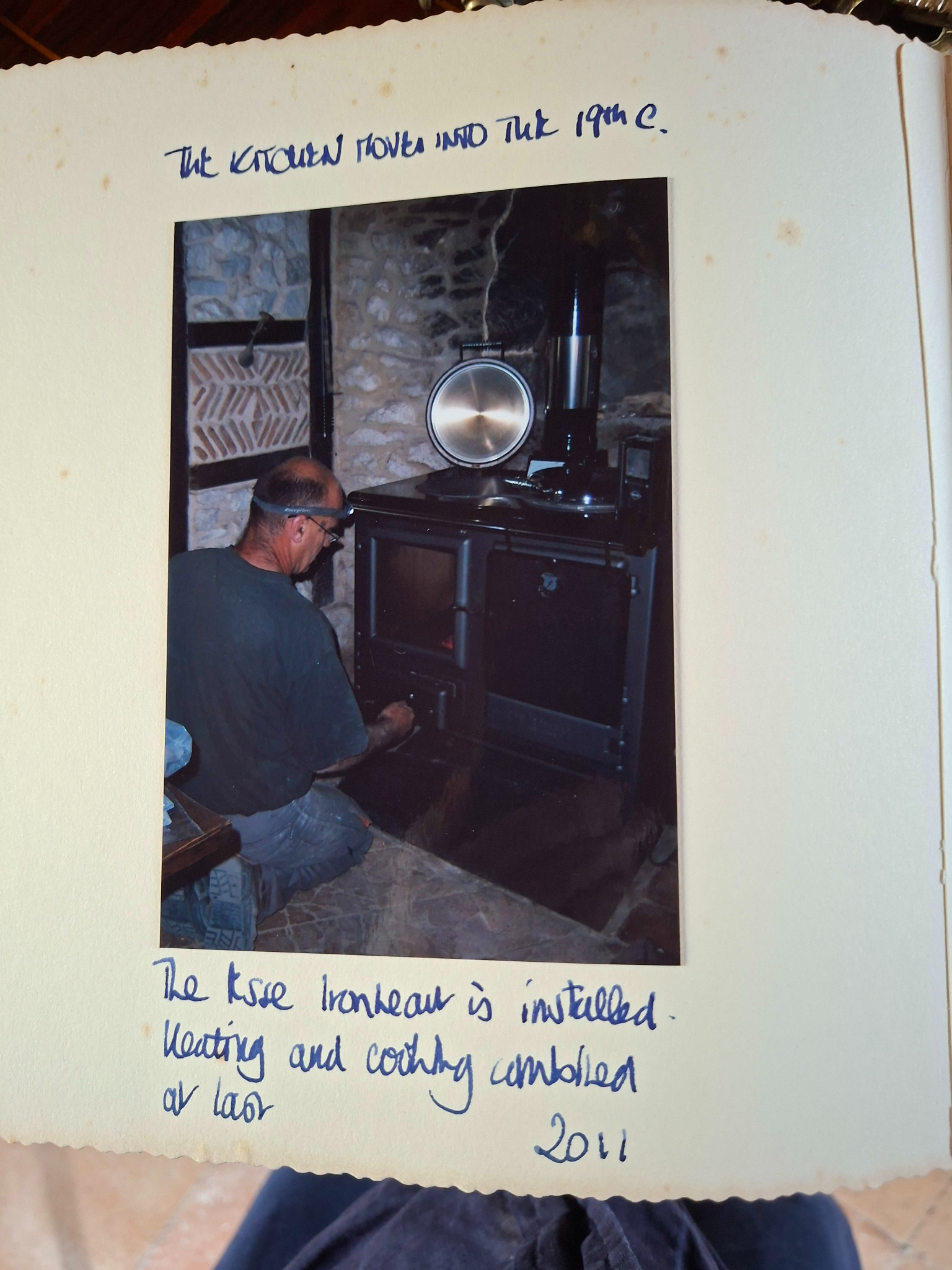
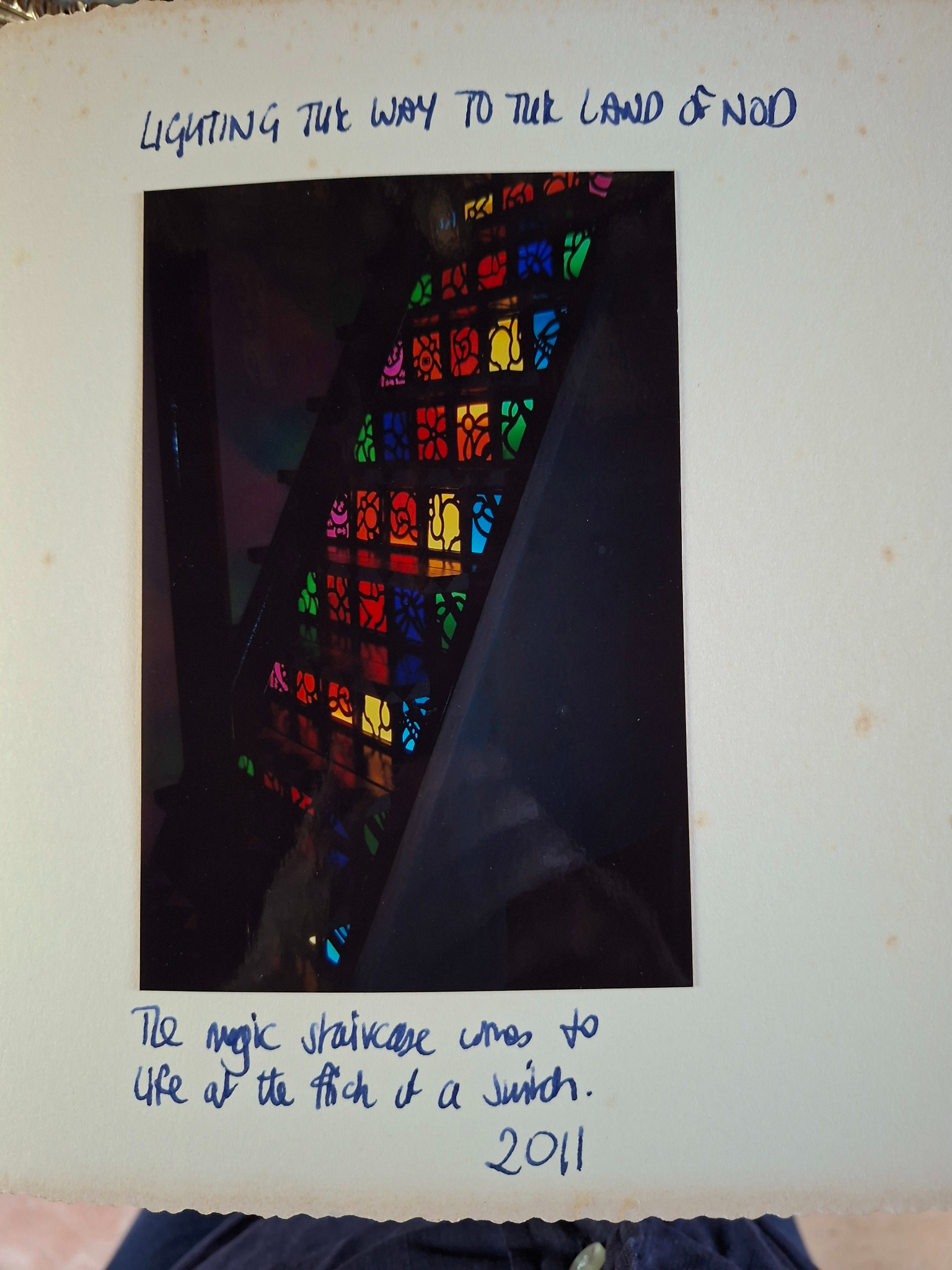
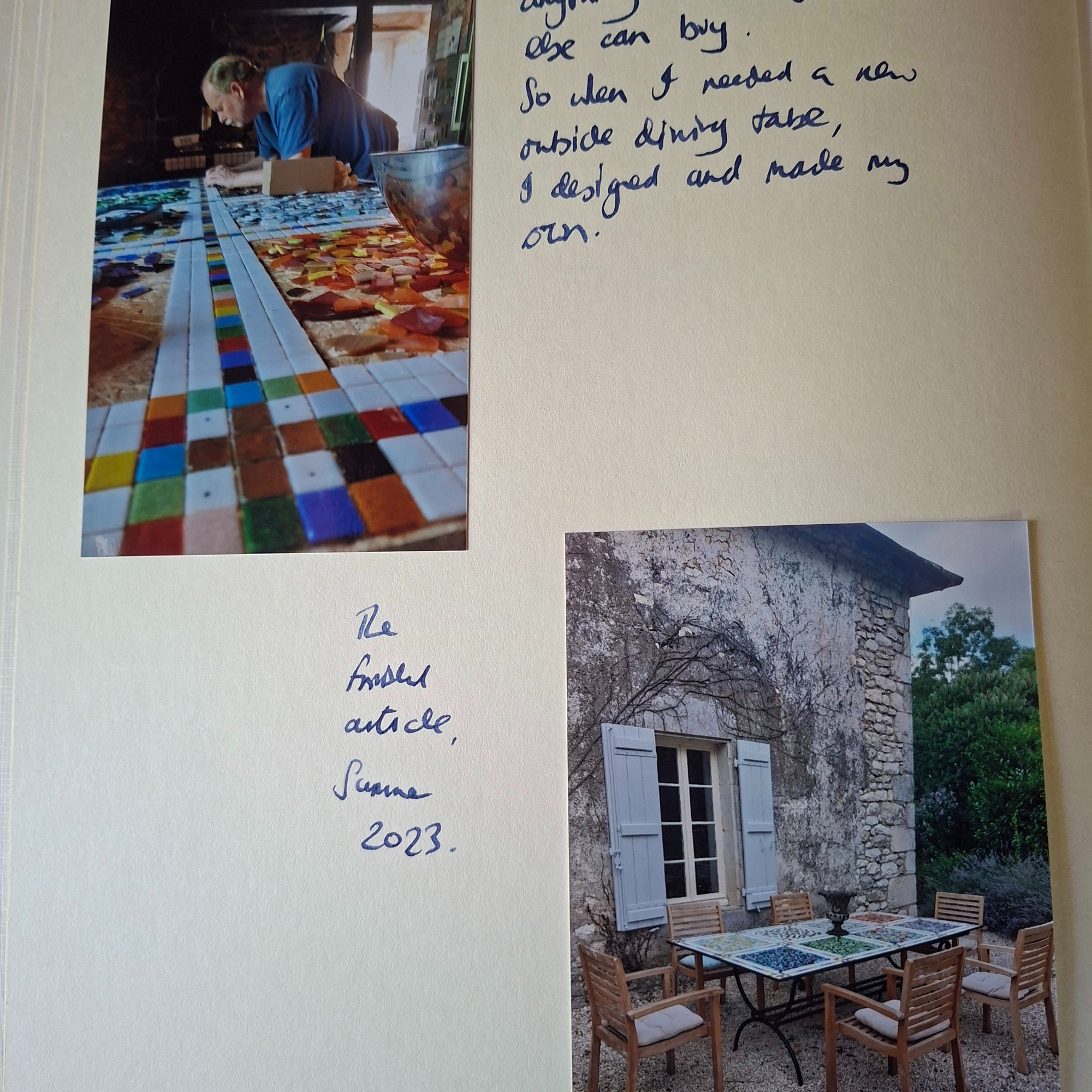
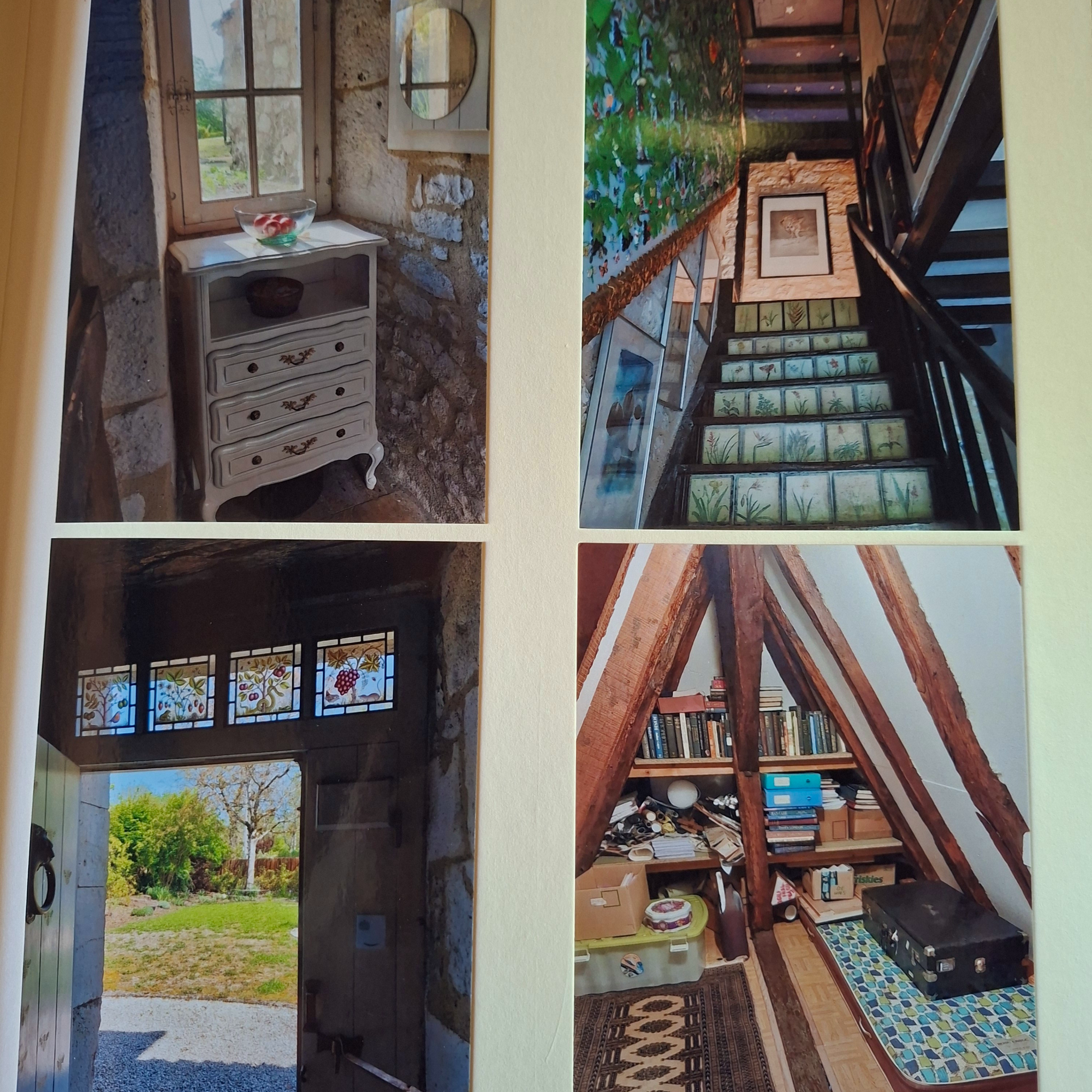
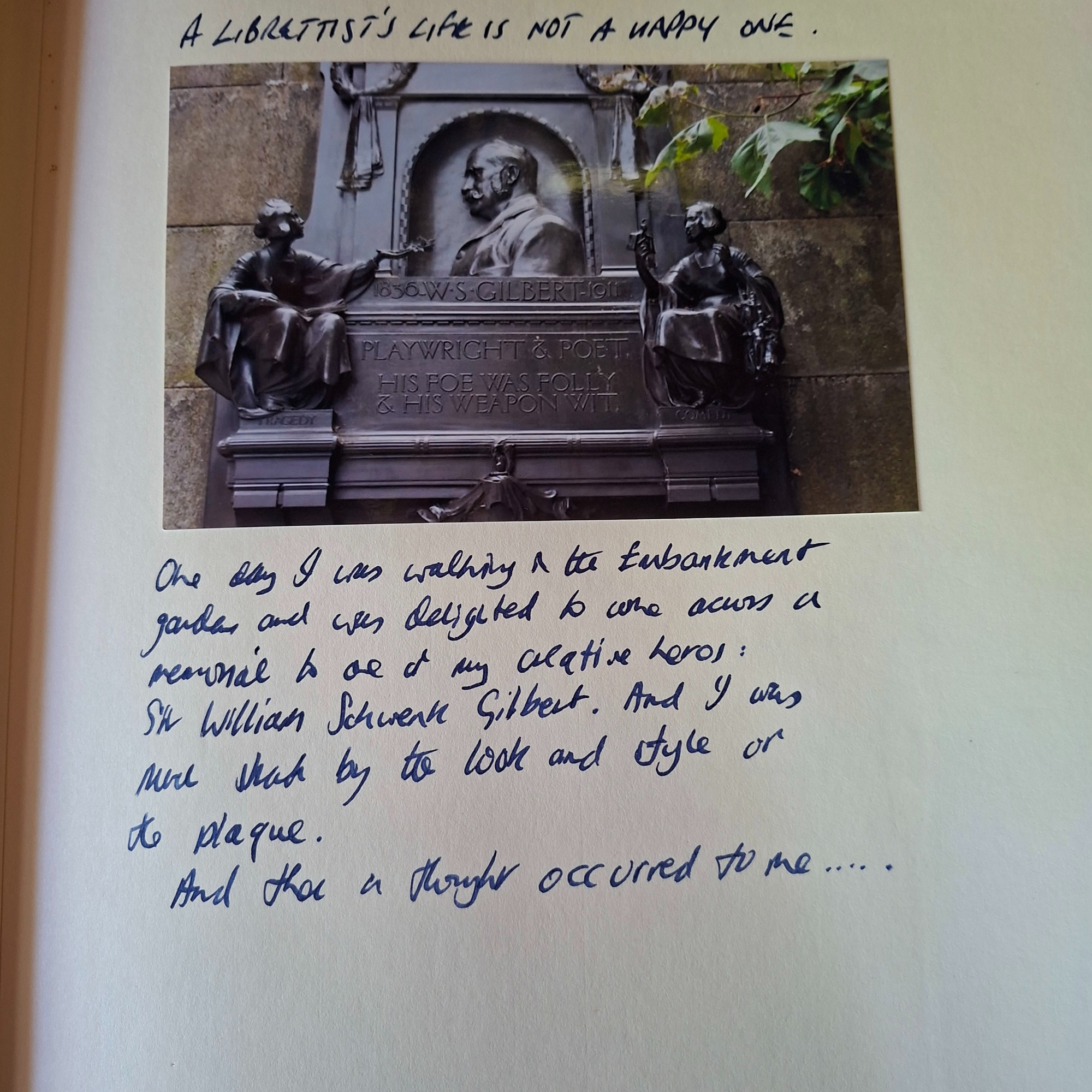
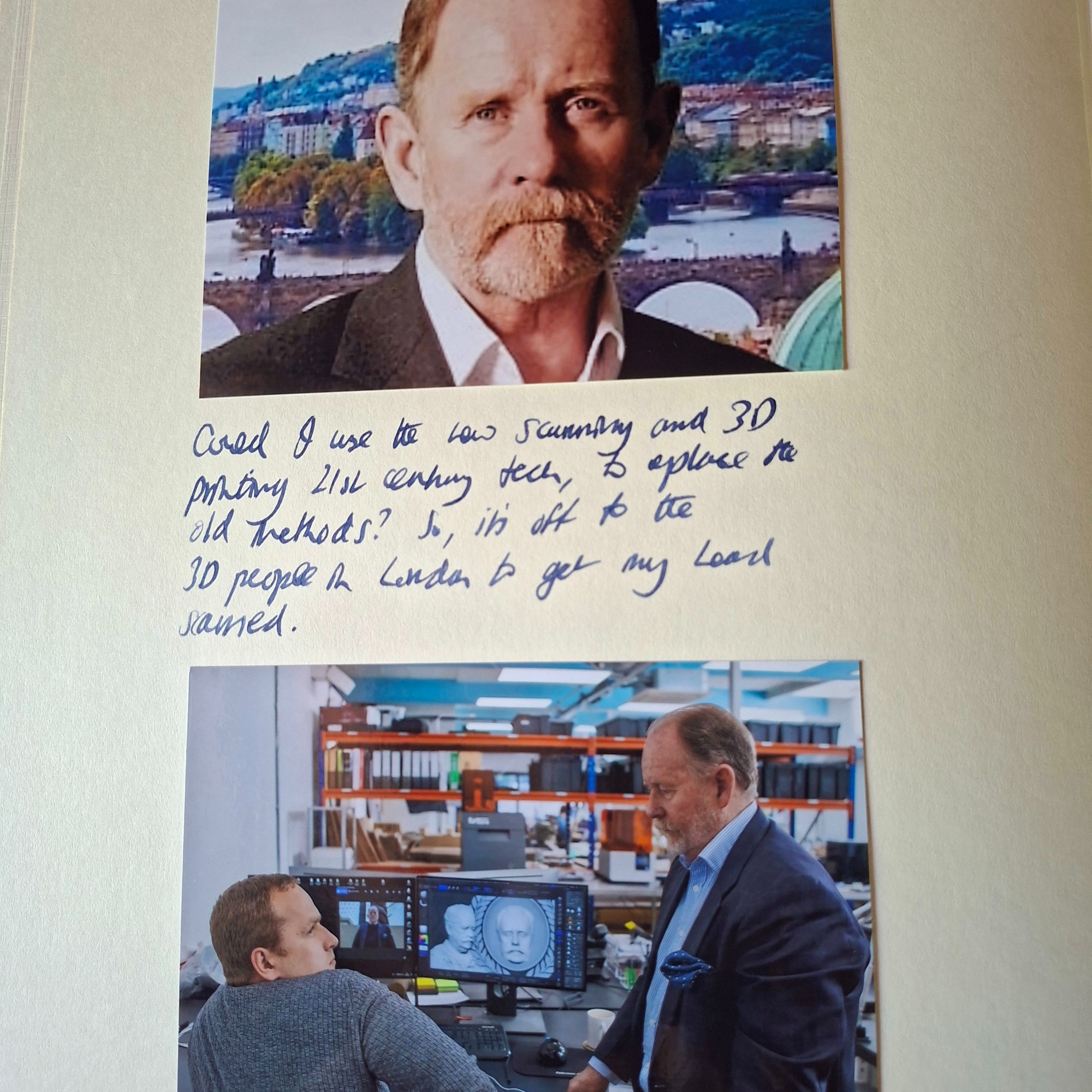
Legal stuff
The gallery accepts no responsibility for any modification, loss, or displacement of intellectual positions, critical judgments, or cultural identifications arising in the course of a visit. Exposure to exhibited material may result in the revision of previously held views, the adoption of unfamiliar interpretive frameworks, or a reconfiguration of personal or collective reference points. In certain instances, these effects may extend into significant life decisions, including but not limited to the termination of longstanding personal relationships, the abandonment of established career paths, or the unilateral decision to relocate to remote territories such as Tahiti. By entering the premises, visitors acknowledge and accept the possibility of such outcomes. No liability is assumed for effects of this nature, whether immediate or cumulative.
Contact
- The DOMINIC LAGAN Gallery @ BrendanWorld™
- dominiclagangallery@orange.fr
- BY INVITATION ONLY NO ENTRY FOR THE GENERAL PUBLIC